


 Visa i rummet
 Skicka
 Dela
Dela
 Detaljer
 Guide
Guide

 Ladda ner
 Liknande objekt
 Röntgen
 Bildspel
 Besökstatistik
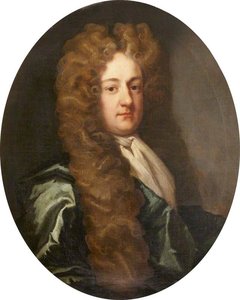
Thomas Tufton (1644–1729), 6th Earl of Thanet
 76.0 x 64.0 cm
 Abbot Hall Art Gallery
 Läs mer
Handgjord oljereproduktion
Handmålad olja på duk i din valda storlek och ram, tillverkad efter beställning av våra konstnärer. ( Byt till tryckta exemplar Byt till digital bildförsäljning)




































Välj bland våra förinställda storlekar som motsvarar konstverkets ursprungliga proportioner.

Du kan ange egna mått för att passa en specifik ram eller yta. Om den valda storleken inte matchar originalbildens proportioner kommer vi antingen att beskära konstverket eller utöka målningen med ytterligare handmålade element. En digital skiss skickas till dig för godkännande innan produktionen påbörjas.
Observera att förhandsvisningen på skärmen inte återspeglar den faktiska beskärningen eller utökningen. Endast skissen visar den slutgiltiga kompositionen korrekt.
Även om anpassade storlekar är möjliga, rekommenderar vi att du väljer en dimension från den fördefinierade listan för att bevara originalproportionerna.
Efter beställning kommer AllPaintingsStore.com team att mejla kunden för instruktioner och tillhandahålla en skissförhandsvisning
Leverans över hela världen () på 3–4 veckor istället för standard 5 veckor. (21 september). Inga kompromisser med kvaliteten.

Fri expressfrakt över hela världen

Högkvalitativ linnecanvas

Fullständig fraktförsäkring

Garantier för återbetalning av tullavgifter

Garantier för exakt färgåtergivning

100 dagars returrätt vid fabrikationsfel

100% pengarna tillbaka-garanti

Mängdrabatt erbjuds
 Glasalternativet är endast tillgängligt i storlekar under 110 cm.

Thomas Tufton (1644–1729), 6th Earl of Thanet
Tryckteknik
Reproduktionsstorlek
-


Totalpris
$ 258
Liknande konstverk




Om konstnären
The Floral Poet of Delft: The Life and Legacy of Simon Pietersz Verelst
In the golden era of Dutch painting, few artists captured the ephemeral beauty of nature with as much grace and precision as Simon Pietersz Verelst. Known affectionately by his contemporaries as the "god of flowers," Verelst possessed a rare ability to breathe life into still life compositions, transforming mere botanical studies into profound meditations on existence. Born in The Hague in 1644, he emerged from a lineage deeply embedded in the artistic fabric of the Netherlands. His father, Pieter Harmensz Verelst, had already established a formidable reputation in Antwerp, providing Simon with a foundation of technical excellence and an early immersion in the meticulous traditions of Northern European art.
Verelst’s formative years were defined by rigorous training and the influence of masters who championed the fine details of reality. Studying at the confrerie pictura in The Hague alongside his brother Herman, he came under the direct tutelage of the legendary Gerrit Dou. From Dou, Verelst inherited a mastery of chiaroscuro—that dramatic, soulful interplay between light and shadow that gives objects weight and presence. This early exposure to the Leiden fijnschilder style instilled in him a lifelong devotion to precision, ensuring that every dewdrop on a petal and every subtle vein on a leaf was rendered with scientific accuracy and artistic soul.
A Journey from Dutch Realism to Lyrical Brilliance
As his career progressed, Verelst’s style underwent a captivating evolution. While his early works remained anchored in the stark realism of his mentors, he gradually moved toward a more atmospheric and lyrical aesthetic. He began to prioritize luminous color palettes and a sense of depth that invited the viewer into a dreamlike garden. His compositions became less about the mere cataloging of species and more about capturing the essence of the bloom—the delicate fragility of a wilting rose or the vibrant, fleeting energy of a spring tulip. This transition allowed him to bridge the gap between botanical documentation and high art, creating works that resonated emotionally with the viewer.
His mastery was not limited to the floral realm; Verelst was also a distinguished portraitist capable of capturing the dignity of the era's elite. His ability to render textures—the heavy sheen of silk, the intricate lace of a collar, and the soft glow of skin—made him a sought-after painter for aristocratic subjects. This duality in his talent, moving between the intimate world of still life and the formal world of portraiture, allowed him to navigate the diverse demands of the 17th-century art market with remarkable success.
The London Years and Historical Significance
In 1668, seeking to expand his horizons and tap into new artistic markets, Verelst relocated to London. This move marked a significant chapter in his life, as he brought the sophisticated techniques of the Dutch Golden Age to the English capital. In London, his work continued to flourish, and he became an integral part of the international art scene. Though his life eventually came to an end in England around 1721, his impact remained deeply rooted in the traditions he carried from the Netherlands.
The historical significance of Simon Pietersz Verelst lies in his ability to elevate the still life genre to a level of poetic expression. His works serve as enduring windows into the 17th century, reflecting both the scientific curiosity of the age and the profound human connection to the natural world. Today, his masterpieces, such as his iconic "A Vase of Flowers," continue to enchant collectors and historians alike, standing as a testament to a lifetime spent chasing the light and celebrating the transient beauty of life.

simon pietersz verelst
1644 - 1721 , Netherlands
Snabbfakta
- Artistic Movement Or Style: Golden Age
- Artists Or Movements Influenced By This Artist: ['Baroque']
- Artists Who Influenced This Artist: ['Gerrit Dou']
- Date Of Birth: 1644, The Hague
- Date Of Death: ca. 1721, London
- Full Name: Simon Pietersz Verelst
- Nationality: Dutch
- Notable Artworks:
- A Vase of Flowers
- Still Life of Apple Blossom
- Group of Flowers
- Place Of Birth: The Hague, Netherlands

