


 Förhandsvisa
 Skicka
 Dela
Dela
 Visa detaljer
 Guide
Guide

 Ladda ner
 Liknande objekt
 Röntgen
 Bildspel
 Q&A
Q&A Statistik
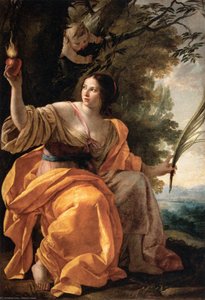
The Fortune Teller

- 95.0 x 135.0 cm


 Visa mer
Giclée / Konsttryck
Giclée- eller canvasprint av museumskvalitet med snabb produktion och flexibla ytbehandlingsalternativ. ( Beställ handmålad reproduktion Byt till digital bild)




P118B Skr10

P118H Skr10

P118W Skr10

P438Z Skr10

P508JH Skr12

P508YH Skr12

P805H Skr10

P805Z Skr10

P919BZ Skr10

P919G Skr10

P919XJ Skr10

P959ZH Skr10

P968JZ Skr12

W106C Skr8

W218G Skr10

W218JH Skr8

W218Y Skr10

W307PJ Skr10

W316G Skr10

W316PJ Skr8

W316Y Skr10

W398PJ Skr8

W4111J Skr10

W500HY Skr15

W500JH Skr15

W692G Skr12

W849H Skr8

W940BG Skr15

W953PJ Skr8




Välj bland våra förinställda storlekar som motsvarar konstverkets ursprungliga proportioner.

Ange den bredd och höjd du behöver för att passa din ram eller vägg. Ett tryck kan endast beskäras, aldrig göras större än originalbilden, vilket innebär att ett format med en annan proportion leder till att en del av bilden går förlorad. Vi skickar en digital mockup för godkännande innan vi påbörjar tryckningen. Bilden som visas på denna sida visar inte den faktiska beskärningen — det är endast mockuppen som gör det.
Leverans över hela världen () på 2 veckor istället för standard 4/5 veckor. (1 november)

Fri expressfrakt över hela världen

Högkvalitativ linnecanvas

Fullständig fraktförsäkring

Garantier för återbetalning av tullavgifter

Garantier för exakt färgåtergivning

100 dagars returrätt (endast vid fel)

100% pengarna tillbaka-garanti

Mängdrabatt erbjuds
 Glasalternativet är endast tillgängligt i storlekar under 110 cm.

The Fortune Teller
Giclée / Konsttryck
Storlek på reproduktion
-


Slutgiltigt pris
Skr 643
The Enigmatic Allure of Simon Vouet’s “The Fortune Teller”
Simon Vouet's "The Fortune Teller," painted in 1617, isn’t merely a portrait; it’s a carefully constructed tableau brimming with intrigue and a palpable sense of the mystical. Housed within the venerable Galleria Nazionale d’Arte Antica in Rome, this oil on canvas invites viewers into a dimly lit chamber where the boundaries between reality and prophecy blur. Vouet, a pivotal figure bridging the Mannerist and Baroque eras, masterfully employs chiaroscuro – the dramatic interplay of light and shadow – to draw our attention to the central figures and imbue the scene with an almost theatrical intensity.
The composition itself is deliberately layered. At its heart sits a man, his features obscured by a wide-brimmed hat and a flowing beard, engaged in a hushed conversation. He holds an open book, seemingly offering guidance or revealing secrets. Flanking him are two women, their attire – one clad in vibrant red, the other in deep blue – adding splashes of color to the predominantly dark palette. Their attentive gazes suggest they are both recipients and observers of this unfolding drama. The background, rendered in muted tones, serves primarily as a backdrop, emphasizing the figures and creating an atmosphere of hushed anticipation.
A Masterclass in Baroque Technique
Vouet’s technique is a fascinating blend of influences. He absorbed the dramatic lighting favored by Caravaggio, but tempered it with a more refined elegance characteristic of French portraiture. Notice how light pools around the faces and hands, highlighting their expressions and gestures while leaving much of the scene shrouded in shadow. This creates a sense of depth and mystery, inviting speculation about the events taking place within the room. The brushstrokes are smooth and blended, contributing to the painting’s overall polished appearance – a hallmark of Vouet's style.
The use of *sfumato*, another technique borrowed from Leonardo da Vinci, is subtly present, softening edges and creating an atmospheric haze that further enhances the sense of depth. Vouet wasn’t simply replicating Caravaggio; he was adapting his innovations to suit the evolving tastes of the French court, resulting in a uniquely sophisticated style.
Symbolism and Historical Context
"The Fortune Teller" is steeped in symbolism, reflecting the prevailing fascination with astrology, divination, and the occult during the early 17th century. The book held by the central figure likely represents knowledge, prophecy, or perhaps even fate itself. The women, often interpreted as representing fortune tellers or advisors, are positioned to receive this information. The red and blue garments could symbolize different types of wisdom or guidance – a common motif in Renaissance art.
Painted during a period of significant artistic transition in France, Vouet’s work exemplifies the shift from the rigid formality of Mannerism towards the more dynamic and emotionally expressive style of the Baroque. His patronage by influential figures like Cardinal Richelieu helped establish him as one of the leading artists of his time, shaping the course of French painting for decades to come.
A Timeless Appeal: Reproduction Possibilities
The enduring appeal of “The Fortune Teller” lies in its ability to evoke a sense of mystery and intrigue. It’s a scene ripe with narrative possibilities, prompting viewers to imagine the story behind the figures and their exchange. Today, high-quality reproductions of this captivating artwork are available through AllPaintingsStore.com, meticulously crafted using traditional oil painting techniques and premium materials, ensuring that the drama and emotional depth of Vouet's original masterpiece are faithfully preserved. These reproductions offer a beautiful way to bring this iconic work into your home or office – a testament to the enduring power of art.
For further exploration, consider visiting the Galleria Nazionale d’Arte Antica in Rome or delving into online resources like the Web Gallery of Art (The Fortune Teller by VOUET, Simon) and exploring Valentin de Boulogne's work for a deeper understanding of Caravaggio’s influence.
Frågor och svar
Är bilden av "The Fortune Teller" av Simon Vouet fri att återge?
När det gäller upphovsrätt är "The Fortune Teller" allmän egendom – upphovsrätten har löpt ut.
När och med vilka material skapades "The Fortune Teller"?
"The Fortune Teller" av Simon Vouet är utförd i Oil On Canvas och verket är daterat 1617.
Vilken konststil tillhör "The Fortune Teller" av Simon Vouet?
"The Fortune Teller" av Simon Vouet tillhör French Baroque-rörelsen. Denna rörelse ger det stilistiska sammanhanget för verket.
Liknande konstverk




Konstnärsbiografi
Simon Vouet: En Överbryggare Mellan Italien och Frankrikes Konst
Simon Vouet, född i Paris 1590, var mer än bara en målare; han var en konstnärlig ambassadör. Hans livsverk spänner över två kontinenter och representerar en avgörande övergång från manierismen till den fullfjädrade barocken inom fransk konst. Att födas in i en familj med konstnärliga rötter – hans far Laurent var målare och hans bror Aubin också ägnade sig åt konsten – gav Vouet en tidig introduktion till skapandets värld, en grund som skulle forma hans framtida storhet. Hans grandsons Ludovico Dorigny fortsatte familjens konstnärliga arv, vilket vittnar om den bestående inverkan av Vouets talang och engagemang.
Tidig Utveckling och Italienska Influenser
Vouets tidiga karriär präglades av porträttmålning, en disciplin där han snabbt visade prov på sin begåvning. Redan vid 14 års ålder fick han i uppdrag att måla ett porträtt i England, vilket signalerade hans växande rykte. En resa till det osmanska riket, som en del av Baron de Sancys sällskap, gav honom nya perspektiv och erfarenheter, innan han fortsatte till Venedig 1612. Men det var under hans tolvåriga vistelse i Rom från 1614 att Vouets konstnärliga identitet verkligen formades. Den italienska huvudstaden pulserade av kreativitet, och Vouet kastade sig in i den livfulla konstscenen med entusiasm.
I Rom studerade han intensivt de stora mästarna. Caravaggios dramatiska ljussättning fångade hans intresse, medan han samtidigt absorberade element från italienska manierister och noggrant analyserade Paolo Veroneses färgpaletter och användning av di sotto in su – den förvrängda perspektivtekniken som skapar en illusion av djup. Han hämtade inspiration från Carracci-familjen, Guercino, Lanfranco och Guido Reni, och smälte samman dessa olika influenser till en unik konstnärlig vision. Denna förmåga att integrera och transformera var Vouets styrka; han kopierade inte, utan skapade något nytt och distinkt.
Etablering som Ledande Konstnär och Återkomsten till Frankrike
Vouets framgång i Rom kulminerade med hans val till president för den prestigefyllda Accademia di San Luca år 1624, ett bevis på hans skicklighet och erkännande inom den italienska konstvärlden. År 1627 kallades han tillbaka till Frankrike av kung Ludvig XIII, som utnämnde honom till Premier peintre du Roi – en position som innebar att vara hovets främste målare. Detta markerade början på en period av stor produktivitet och inflytande.
Vouet etablerade en omfattande verkstad, där han utbildade en rad framstående franska konstnärer, inklusive Charles Le Brun, som senare skulle dominera dekorativa målningar på Versailles. Han introducerade den italienska barockstilen till Frankrike och formade därmed landets konstnärliga riktning under 1600-talet. Hans förmåga att kombinera italiensk elegans med fransk smak gjorde honom till en eftertraktad konstnär bland adeln och kyrkan.
Arv och Betydelse
Simon Vouets arv är djupt rotat i hans roll som en brobyggare mellan italienska och franska konsttraditioner. Han lyckades inte bara importera den dynamik och storslagenhet som kännetecknar den italienska barocken, utan också anpassa den till den franska smaken. Hans inflytande är tydligt i utvecklingen av fransk målning under 1600-talet, och hans bidrag fortsätter att uppskattas av konsthistoriker idag. Genom sina elever spreds Vouets stil och tekniker över hela Frankrike, vilket skapade en distinkt fransk barockskola som präglade landets visuella identitet under århundraden.

Simon Vouet
1590 - 1649 , Frankrike
Kortfakta
- Artistic Movement Or Style: Barockmålning
- Artists Or Movements Influenced By This Artist:
- Charles Le Brun
- Valentin de Boulogne
- Fransk Barockmålning
- Artists Who Influenced This Artist:
- Caravaggio
- Paolo Veronese
- Guido Reni
- Date Of Birth: 9 januari 1590
- Date Of Death: 30 juni 1649
- Full Name: Simon Vouet
- Nationality: Fransk
- Notable Artworks:
- Rikedomen
- Ceres
- Den besegrade Tiden
- Place Of Birth: Paris, Frankrike
Relaterade artiklar

The Dramatic Flourish: Exploring the Baroque Movement's Enduring Legacy in Art History
Explore the dramatic world of Baroque art! Discover iconic artists like Caravaggio & Rubens, defining techniques, and its lasting impact on art history. Expert insights for collectors & enthusiasts at AllPaintingsStore.

Barockens dramatik: Att föra prakt och känsla in i samtida interiörer
Upptäck barockens dramatik och lyx! Lär dig hur du integrerar denna klassiska stil i ditt hem med våra experttips och inspirerande exempel. Skapa en palatskänsla idag!

The Enduring Legacy of Oil on Canvas: Technique, History & Aesthetic Impact
Explore the rich history & techniques of oil painting – from Renaissance masters to Impressionism. Discover pigments, layering methods, and why this timeless medium endures. Expert insights for artists & art enthusiasts.

The Enduring Power of Painting: A Historical & Contemporary Exploration of Form and Emotion
Explore the rich history & enduring techniques of oil painting with AllPaintingsStore. Discover masterpieces, learn about art collecting, and find authentic handmade reproductions crafted by skilled artists.

Simon Vouet: A Baroque Master's Journey from Italian Influence to French Classicism
Explore the life & art of Simon Vouet, a pivotal French Baroque painter who introduced Italian styles to France. Discover his masterpieces and lasting influence on 17th-century art.


