


 Visa i rummet
 Skicka
 Dela
Dela
 Detaljer
 Studentguide för konstverk

 Ladda ner
 Liknande objekt
 Röntgen
 Bildspel
 Besökstatistik
Returning from the fields

 Läs mer
Handgjord oljereproduktion
Handmålad olja på duk i din valda storlek och ram, tillverkad efter beställning av våra konstnärer. ( Byt till tryckta exemplar Byt till digital bildförsäljning)




































Välj bland våra förinställda storlekar som motsvarar konstverkets ursprungliga proportioner.

Ange den bredd och höjd du behöver för att passa din ram eller din vägg. Eftersom detta är handmålat kan konstnären vid en annan form måla lite mer runt bilden eller beskära den något – du väljer själv. Vi skickar en digital mockup för godkännande innan målningen påbörjas. Bilden som visas på denna sida representerar inte det slutgiltiga resultatet — det är endast mockuppen som visar det.
Efter beställning kommer AllPaintingsStore.com team att mejla kunden för instruktioner och tillhandahålla en skissförhandsvisning
Leverans över hela världen () på 3–4 veckor istället för standard 5 veckor. (23 oktober). Inga kompromisser med kvaliteten.

Fri expressfrakt över hela världen

Högkvalitativ linnecanvas

Fullständig fraktförsäkring

Garantier för återbetalning av tullavgifter

Garantier för exakt färgåtergivning

100 dagars returrätt vid fabrikationsfel

100% pengarna tillbaka-garanti

Mängdrabatt erbjuds
 Glasalternativet är endast tillgängligt i storlekar under 110 cm.

Returning from the fields
Tryckteknik
Reproduktionsstorlek
-


Totalpris
Skr 2559
Liknande konstverk


Om konstnären
A Quiet Vision of Suffolk’s Landscape: Exploring the Artistry of Thomas Smythe
Thomas Smythe (1825-1906) stands as a testament to the enduring appeal of Romantic landscape painting, specifically within the context of Victorian Britain. Born in Ipswich, Suffolk, he emerged from a family steeped in artistic tradition – his brother, Edward Smythe, was also a painter – fostering an environment that nurtured his innate talent and propelled him towards a distinguished career dedicated to capturing the beauty of rural England. While overshadowed by more flamboyant contemporaries, Smythe’s meticulous observation and skillful execution have garnered renewed appreciation in recent decades, cementing his place as a significant figure within Suffolk’s artistic heritage.- Early Life & Artistic Training:
- Notable Works & Recurring Themes:
- Technique & Style: Impressionistic Influences:
- Legacy & Recognition:
Early Life & Artistic Training
Little is known definitively about Smythe’s formative years, beyond confirming his birth in Ipswich. His family possessed considerable means and encouraged artistic pursuits within the household, providing him with access to resources that would undoubtedly contribute to his development as an artist. Although formal academic training remains elusive—records indicate he largely self-taught—his brother's influence served as a crucial catalyst for honing his observational skills and mastering the fundamentals of painting. The prevailing artistic sensibilities of the time – Romanticism’s emphasis on emotion, sublime grandeur, and idealized depictions of nature – undoubtedly shaped Smythe’s aesthetic vision from an early age.Notable Works & Recurring Themes
Smythe's oeuvre comprises approximately 300 paintings predominantly focused on landscapes of Suffolk and surrounding areas. However, he wasn’t merely documenting the scenery; he imbued his canvases with a palpable sense of tranquility and charm. Animals – particularly cattle and sheep – frequently appear in his compositions, symbolizing pastoral innocence and embodying the virtues associated with rural life. Perhaps most captivating are Smythe's winter snowscapes—scenes rendered with breathtaking detail and luminosity—which depict Suffolk villages dusted with pristine white snow under overcast skies. These images resonate deeply with viewers today, capturing a timeless quality that transcends stylistic conventions. Particularly noteworthy is “The Old Mill,” Ipswich, which exemplifies his ability to convey both architectural grandeur and atmospheric subtlety.Technique & Style: Impressionistic Influences
Despite operating within the Romantic framework, Smythe’s artistic style demonstrates subtle but discernible influences from Impressionism. Unlike the heavier brushstrokes characteristic of many Romantic painters, Smythe employed a looser technique—particularly evident in his snowscapes—characterized by broken color and shimmering light effects. He skillfully blended pigments to create tonal gradations that captured the ephemeral qualities of winter sunlight, mirroring the pioneering efforts of artists like Claude Monet and Pierre-Auguste Renoir. This innovative approach distinguishes Smythe from his peers and underscores his artistic sensitivity to perceptual experience.Legacy & Recognition
While Smythe’s fame during his lifetime was modest, his paintings have experienced a resurgence in popularity in recent years. Collectors and art historians alike recognize the artist's meticulous attention to detail and his ability to evoke profound emotional responses. Reproductions of his works are increasingly sought after by enthusiasts interested in Suffolk’s artistic heritage, demonstrating an enduring appreciation for Smythe’s quiet vision of rural England. Further research into Smythe’s life and work continues to illuminate his contribution to Victorian landscape painting, ensuring that his legacy endures as a symbol of understated beauty and skillful craftsmanship.
Thomas Smythe
1825 - 1906
Snabbfakta
- Artistic Movement Or Style: Romanticism
- Artists Or Movements Influenced By This Artist: ['Hudson River School']
- Artists Who Influenced This Artist: ['John Constable']
- Date Of Birth: 1825
- Date Of Death: 1906
- Full Name: Thomas Smythe
- Nationality: British
- Notable Artworks: ['Winter Snowscape']
- Place Of Birth: Suffolk, England
Relaterade artiklar

John Constables 25 Mästerverk: En Konstnärlig Resa i Det Engelska Landskapet | AllPaintingsStore
Utforska John Constables 25 mest ikoniska målningar – romantikens mästare av det engelska landskapet. Upptäck historien, tekniken & skönheten i verk som 'Hay Wain'. Köp exklusiva konsttryck på AllPaintingsStore.com.

Cultivating Visions: A Historical Journey Through Rural Landscapes in Art
Explore the rich history of rural landscape painting with AllPaintingsStore. Discover Impressionist masterpieces, key artists & movements. Find your perfect serene artwork and bring nature's beauty home.
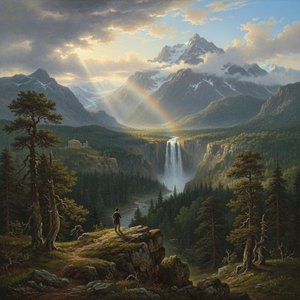
Evoking Nature's Sublime: A Comprehensive Exploration of 19th-Century Landscape Painting
Explore the captivating world of 19th-century landscape painting! Discover renowned artists like Friedrich & Monet, key movements, and find the perfect artwork to bring nature's serenity into your home. Expert insights at AllPaintingsStore.
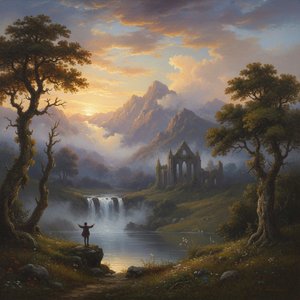
Evoking Emotion & Transcendence: Romantic Landscape Painting (18th-19th Century)
Explore the emotional depth of Romantic landscape painting (18th-19th century). Discover key artists like Friedrich & Cole, and the concepts of the sublime. Expert insights for art lovers & collectors.

Romantiska landskap: Topp 10 mästerverk som definierade en epok – AllPaintingsStore.se
Utforska de 10 mest ikoniska mästerverken inom romantisk landskapsmålning! Lär känna Caspar David Friedrich, Turner & andra. Hitta inspiration och köp museumkvalitativa konsttryck på AllPaintingsStore.com.

