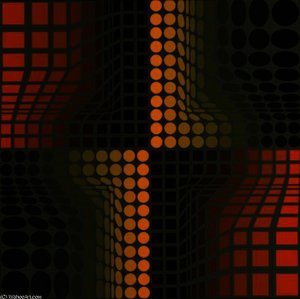
Acrylic On Canvas.

§ 1Katalogdata


Detta konstverk är upphovsrättsligt skyddat
Konstverket som visas på denna sida skyddas av upphovsrättslagen, vilket innebär att vi inte lagligt kan skapa eller sälja en identisk reproduktion. Detta skydd upprätthålls genom internationella avtal såsom den Bernkonventionen och genom nationella lagar, inklusive de som fastställs av Amerikansk upphovsrättslag – Titel 17. Alla rättigheter förbehållna. Återgivning av konstverk är förbjuden utan skriftligt tillstånd från WahooArt.
Som ett respektfullt och lagligt alternativ erbjuder vi skräddarsydda, handmålade konstverk inspirerade av originalet. Våra skickliga och professionella konstnärer studerar noggrant originalets stil, stämning och konstnärliga essens för att skapa ett nytt, unikt verk som väcker samma känsla – samtidigt som det förblir en originell skapelse i egen rätt.
Denna metod följer fullt ut upphovsrättsliga regler eftersom den inte innebär kopiering eller duplicering av det skyddade konstverket. Istället är det en kreativ nytolkning – en ny målning som är influerad av originalet men inte identisk med det.
 Läs mer
§ 2Abstrakt
Beskrivning av samlarobjekt
Experience Victor Vasarely’s iconic Op Art masterpiece, ‘Hetta,’ featuring vibrant circles in red, orange, green, and blue arranged in a dynamic geometric composition – a captivating exploration of perception and form perfect for art lovers.
Konstnärens biografi
The Swedish meta description is optimized for search engines and aims to be engaging while adhering to the character limit.
§ 3Kommentarer
A Symphony in Circles: Unveiling Victor Vasarely’s “Hetta”
Victor Vasarely's "Hetta," a deceptively simple composition of four vibrant circles – red, orange, green, and blue – is far more than just an abstract arrangement. It’s a meticulously crafted exploration of perception, movement, and the very nature of visual experience, firmly rooted in the groundbreaking principles of Op Art and reflecting the artist's deep engagement with geometric abstraction. Born Károly Vaszary in 1906 in Pécs, Croatia, Vasarely’s artistic trajectory began unexpectedly, initially driven by a medical education before he was captivated by the expressive potential of painting. This shift, catalyzed by his studies at the Podolini-Volkmann Academy and crucially, Sándor Bortnyik's “Műhely” workshop – a breeding ground for Bauhaus ideals – established him as a key figure in challenging traditional artistic conventions. "Hetta" embodies this legacy, showcasing Vasarely’s mastery of creating illusions through precise geometric forms, anticipating the viewer’s eye and manipulating their perception with remarkable skill.
The Genesis of Op Art: Illusion and Movement
“Hetta” is a quintessential example of Op Art, a movement that emerged in the 1960s – though Vasarely's explorations began decades earlier – to deliberately stimulate visual responses through optical illusions. The painting’s seemingly static arrangement generates a dynamic sense of movement and vibration within the viewer’s eye. This effect is achieved through carefully calibrated patterns and contrasting colors, creating areas of light and dark that shift with the slightest change in viewing angle. Vasarely wasn't simply depicting circles; he was manipulating the way the brain processes visual information, demonstrating a profound understanding of how our perception is constructed.
Geometric Abstraction and Bauhaus Influence
Vasarely’s artistic vocabulary is profoundly shaped by his immersion in geometric abstraction and the principles championed by the Bauhaus movement. The precise, interlocking circles within “Hetta” reflect the Bauhaus emphasis on functional design and the reduction of form to its essential elements – line, shape, and color. This approach sought to create art that was both aesthetically pleasing and intellectually stimulating, rejecting representational imagery in favor of exploring the underlying structure of visual reality. The square arrangement of the circles further reinforces this geometric rigor, echoing the Bauhaus’s commitment to order and clarity.
Symbolism and Emotional Impact
While ostensibly abstract, “Hetta” possesses a subtle symbolic resonance. The four colors – red, orange, green, and blue – are often associated with fundamental human emotions: passion (red), enthusiasm (orange), growth (green), and tranquility (blue). Their arrangement within the circles suggests a harmonious balance or perhaps a dynamic interplay between these forces. More than just an aesthetic object, “Hetta” invites contemplation on perception itself, prompting viewers to question their own assumptions about reality and the nature of visual experience. The painting’s impact is one of controlled excitement – a quiet dynamism that draws the eye in and holds it captive.
Frågor och svar
Vilken känsla förmedlar Op Art-verket "Hetta"?
Den Reflective känslan i "Hetta" ackompanjeras av dess Op Art-stil.
Hur hög är kontrasten i "Hetta" av Victor Vasarely?
Ljus-mörker-kontrasten i "Hetta" är registrerad som Serene. Kontrast beskriver hur starkt ljusa och mörka partier skiljer sig åt.
Vilken konstnärlig inriktning tillhör "Hetta" av Victor Vasarely?
"Hetta" är ett verk inom Op Art. Denna stilriktning anger den konstnärliga tradition som verket tillhör.


 Byt till tryck


 För konstverk eller reproduktioner som är större än 105 cm (cirka 41 tum) på någon sida, levereras ramen som ett isärplockat kit. Denna metod säkerställer en trygg leverans och förhindrar skador under transport.