


 Visa i rummet
 Skicka
 Dela
Dela
 Detaljer
 Guide
Guide

 Ladda ner
 Liknande objekt
 Röntgen
 Bildspel
 Besökstatistik
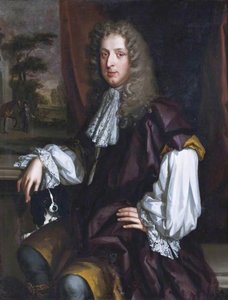
John Dalrymple (1673–1747), 2nd Earl of Stair or John Campbell (1680–1743), Duke of Argyll and Greenwich
 Neoclassicism
 128.0 x 100.0 cm
 Läs mer
Giclée / Konsttryck
Giclée- eller canvasprint av museumskvalitet med snabb produktion och flexibla ytbehandlingsalternativ. ( Köp handmålat konstverk Byt till digital bildförsäljning)




































Välj bland våra förinställda storlekar som motsvarar konstverkets ursprungliga proportioner.

Du kan ange egna mått för att passa en specifik ram eller yta. Om det valda måttet inte överensstämmer med originalbildens proportioner kommer vi antingen att beskära konstverket eller utöka bilden med en speglad eller enfärgad kant. En digital mockup skickas för ditt godkännande innan produktionen påbörjas.
Vänligen notera att förhandsvisningen på skärmen inte återspeglar den faktiska beskärningen eller utökningen. Endast mockuppen visar den slutgiltiga kompositionen korrekt.
Även om anpassade storlekar är möjliga, rekommenderar vi att du väljer ett mått från den fördefinierade listan för att bevara de ursprungliga proportionerna.
Leverans över hela världen () på 2 veckor istället för standard 4/5 veckor. (21 september)

Fri expressfrakt över hela världen

Högkvalitativ linnecanvas

Fullständig fraktförsäkring

Garantier för återbetalning av tullavgifter

Garantier för exakt färgåtergivning

100 dagars returrätt vid fabrikationsfel

100% pengarna tillbaka-garanti

Mängdrabatt erbjuds
 Glasalternativet är endast tillgängligt i storlekar under 110 cm.

John Dalrymple (1673–1747), 2nd Earl of Stair or John Campbell (1680–1743), Duke of Argyll and Greenwich
Giclée / Konsttryck
Reproduktionsstorlek
-


Totalpris
$ 64
Liknande konstverk



Om konstnären
The Soul of the Scottish Enlightenment: The Life and Art of William Aikman
In the vibrant intellectual landscape of eighteenth-century Scotland, few figures embodied the harmonious union of visual artistry and literary depth as gracefully as William Aikman. Born in 1682 into a family that envisioned a future for him within the rigorous halls of jurisprudence, Aikman ultimately chose a path far more evocative and ethereal. Rather than pursuing the dry complexities of law, he surrendered himself to the brush, becoming a portraitist whose work would capture the very essence of the Scottish Enlightenment. His life was not merely a pursuit of technical mastery, but a profound engagement with the humanist ideals that were beginning to reshape the European consciousness.
The foundation of Aikman’s artistic identity was laid during his formative years at Edinburgh University. It was here that he forged an enduring and transformative bond with Allan Ramsay, the celebrated poet of the Doriment tradition. This friendship was far more than a social connection; it was a shared intellectual journey. Through Ramsay, Aikman became deeply immersed in a poetic ethos characterized by sincerity, emotional resonance, and a delicate appreciation for nature. This literary sensitivity would later manifest in his paintings, lending a certain psychological depth and quiet dignity to his subjects that transcended the mere recording of physical likeness.
A Journey Through Classical Grandeur
To refine his burgeoning talent, Aikman sought the rigorous training available in London, where he encountered the burgeoning influences of Italian neoclassicism. However, his true artistic metamorphosis occurred during his extensive travels through Italy. Immersed in the cradle of the Renaissance, Aikman meticulously studied the masters, finding profound inspiration in the balanced compositions and idealized forms of Raphael and Michelangelo. This period of pilgrimage allowed him to absorb the principles of antiquity, integrating a sense of structural permanence and classical grace into his portraiture.
Upon his return to Scotland, Aikman’s style emerged as a sophisticated blend of Northern sensitivity and Southern grandeur. His work was characterized by a serene elegance, avoiding the overly dramatic flourishes of the Baroque in favor of a more composed and thoughtful presentation. He possessed a remarkable ability to render textures—the subtle sheen of silk, the weight of velvet, and the softness of skin—with a precision that felt both lifelike and elevated by an artistic ideal. His portraits were not merely-looking glass reflections but were imbued with a sense of character and intellectual presence.
Patronage, Legacy, and Historical Significance
Beyond his individual technical achievements, Aikman played a pivotal role in the cultural ecosystem of his era. He was a crucial bridge between the worlds of fine art and literature, acting as an early champion for figures such as James Thomson. By leveraging his social connections to secure patronage from influential figures like Robert Walpole, Aikman helped foster an environment where Scottish intellectuals could thrive on a broader European stage. His ability to navigate the corridors of power while maintaining his artistic integrity made him a central figure in the burgeoning cultural renaissance of Edinburgh.
The legacy of William Aikman resides in the quiet strength of his portraits, which continue to serve as windows into the spirit of an age defined by reason and refinement. His contributions can be summarized through several key pillars of his career:
- The Synthesis of Arts: He successfully merged the visual language of Italian neoclassicism with the emotional sincerity of Scottish poetry.
- Cultural Stewardship: Through his patronage and connections, he helped elevate the status of Scottish intellectuals within the British Isles.
- Technical Mastery: His dedication to studying the Old Masters allowed him to introduce a level of classical sophistication to Scottish portraiture that was previously unseen.
- Enduring Influence: His work remains a vital touchstone for understanding the aesthetic and intellectual currents of the eighteenth-century Enlightenment.
Though his life was relatively brief, ending in 1731, the impact of William Aikman remains etched in the history of British art. He stands as a testament to the power of following one's true vocation, proving that when the brush is guided by the intellect and the heart, it can capture not just a face, but the very soul of an era.

William Aikman
1682 - 1731
Snabbfakta
- Artistic Movement Or Style: Rococo
- Artists Or Movements Influenced By This Artist: ['Allan Ramsay']
- Date Of Birth: 1682
- Date Of Death: 1731
- Full Name: William Aikman
- Nationality: Scottish
- Notable Artworks: ['Self Portrait']
- Place Of Birth: Cairney, Scotland
Relaterade artiklar
John Singer Sargents 25 Mästerverk: Porträtt & Impressionism för Hemmet | AllPaintingsStore
Utforska John Singer Sargents 25 mest ikoniska målningar! Lär känna porträttkonsten, impressionismen och hans unika ljusspel. Hitta inspiration & köp högkvalitativa konsttryck på AllPaintingsStore.com – för en elegant heminredning.

John Hoppner: Portraiture, Patronage & British Identity in the Late Georgian Era
Explore the life & work of John Hoppner, a leading Georgian portraitist. Discover his vibrant style, influential patrons, and lasting impact on British art history. Expert insights for collectors.

John Nost Sartorius: Equestrian Portraiture & the Shifting Social Landscape of 18th-Century England
Explore the captivating equestrian art of John Nost Sartorius (1759-1828). Discover his detailed paintings of racehorses, hunting scenes & aristocratic life. Learn about collecting Sartorius's work and its lasting value.

John Frederick Lewis: Orientalism, Detail & Genre Painting in 19th-Century British Art
Explore the captivating Orientalist paintings of John Frederick Lewis! Discover his mastery of detail, genre scenes & influence on 19th-century British art. Learn about his life, techniques & legacy at AllPaintingsStore.
John Constables 25 Mästerverk: En Konstnärlig Resa i Det Engelska Landskapet | AllPaintingsStore
Utforska John Constables 25 mest ikoniska målningar – romantikens mästare av det engelska landskapet. Upptäck historien, tekniken & skönheten i verk som 'Hay Wain'. Köp exklusiva konsttryck på AllPaintingsStore.com.

