


 Visa i rummet
 Skicka
 Dela
Dela
 Detaljer
 Studentguide för konstverk

 Ladda ner
 Liknande objekt
 Röntgen
 Bildspel
 Besökstatistik
The blasphemous Capaneus

 Läs mer
Giclée / Konsttryck
Giclée- eller canvasprint av museumskvalitet med snabb produktion och flexibla ytbehandlingsalternativ. ( Köp handmålat konstverk Byt till digital bildförsäljning)




P118B Skr10

P118H Skr10

P118W Skr10

P438Z Skr10

P508JH Skr12

P508YH Skr12

P805H Skr10

P805Z Skr10

P919BZ Skr10

P919G Skr10

P919XJ Skr10

P959ZH Skr10

P968JZ Skr12

W106C Skr8

W218G Skr10

W218JH Skr8

W218Y Skr10

W307PJ Skr10

W316G Skr10

W316PJ Skr8

W316Y Skr10

W398PJ Skr8

W4111J Skr10

W500HY Skr15

W500JH Skr15

W692G Skr12

W849H Skr8

W940BG Skr15

W953PJ Skr8




Välj bland våra förinställda storlekar som motsvarar konstverkets ursprungliga proportioner.

Ange den bredd och höjd du behöver, för att passa din ram eller din vägg. Ett tryck kan endast beskäras, aldrig göras större än bilden, vilket innebär att ett format med en annan formform leder till att en del av bilden går förlorad. Vi skickar en digital mockup för godkännande innan vi trycker något. Bilden som visas på denna sida visar inte den faktiska beskärningen — det är endast mockuppen som gör det.
Leverans över hela världen () på 2 veckor istället för standard 4/5 veckor. (24 oktober)

Fri expressfrakt över hela världen

Högkvalitativ linnecanvas

Fullständig fraktförsäkring

Garantier för återbetalning av tullavgifter

Garantier för exakt färgåtergivning

100 dagars returrätt vid fabrikationsfel

100% pengarna tillbaka-garanti

Mängdrabatt erbjuds
 Glasalternativet är endast tillgängligt i storlekar under 110 cm.

The blasphemous Capaneus
Giclée / Konsttryck
Reproduktionsstorlek
-


Totalpris
Skr 634
The Blasphemous Capaneus: A Visionary Confrontation
William Blake’s “The Blasphemous Capaneus” isn't merely a painting; it’s an embodiment of Romantic idealism wrestling with biblical transgression, rendered in a style that anticipates Surrealism decades before its formal emergence. Created around 1814-15 during Blake’s intensely productive period—a time marked by feverish creativity and profound spiritual exploration—the artwork transcends simple depiction, striving instead to convey a complex tapestry of psychological and symbolic resonance.- Subject Matter & Narrative: The painting confronts viewers with the biblical tale of Capaneus, King of Corinth, who defiantly challenged God’s authority by demanding that he allow him to ascend heaven and pronounce judgment upon his fellow monarchs. Blake eschews literal representation, opting for a dreamlike tableau that captures the essence of this audacious defiance rather than its precise visual details.
- Style & Technique: Blake's distinctive style—characterized by bold lines, flattened perspective, and vibrant color palettes—is immediately recognizable. He employs engraving techniques honed during his apprenticeship with James Basire, layering intricate linework over colored plates to achieve a stunning textural effect. This meticulous process lends the image an otherworldly luminescence, mirroring the artist’s preoccupation with visionary states.
Historical Context: Romantic Rebellion Against Divine Order
“The Blasphemous Capaneus” emerges from the turbulent intellectual landscape of the Romantic era—a movement fueled by disillusionment with Enlightenment rationalism and a fervent yearning for spiritual renewal. Blake’s work reflects the broader anxieties surrounding societal progress and the perceived decline of moral values, positioning Capaneus as a symbol of human arrogance and resistance to divine providence. The painting anticipates the Surrealist fascination with unconscious imagery and dreamlike distortions—a stylistic precursor that underscores Blake's pioneering role in challenging conventional artistic conventions.- Symbolism: The central figure of Capaneus dominates the composition, sprawled on the ground yet radiating an aura of defiant grandeur. Surrounding him are smaller figures representing angels and demons—a deliberate juxtaposition that symbolizes the battle between faith and impiety. Blake’s masterful use of color—particularly crimson—evokes associations with blood sacrifice and divine retribution, reinforcing the painting's thematic core.
Emotional Impact & Artistic Legacy
“The Blasphemous Capaneus” commands attention through its unsettling beauty. Blake’s deliberate manipulation of perspective and color creates a palpable sense of drama and tension—drawing viewers into the artist's psychological realm. The painting speaks to themes of rebellion, transgression, and the confrontation between humanity and divinity—provoking contemplation on questions of morality and faith. Its enduring influence can be seen in subsequent artistic movements—most notably Surrealism—demonstrating Blake’s profound contribution to the history of art and his unwavering commitment to exploring the depths of human consciousness.- Conclusion: More than just a depiction of biblical lore, “The Blasphemous Capaneus” represents Blake's audacious assertion of artistic freedom—a refusal to conform to societal expectations and an embrace of visionary imagination. It remains a testament to the transformative power of art—inspiring viewers to confront uncomfortable truths and to grapple with existential dilemmas.
Frågor och svar
Är "The blasphemous Capaneus" överlag mer ljus eller mer mörk?
"The blasphemous Capaneus" av William Blake har registrerats med en ljusstyrka på balanced och en luminans på Soft Shadow.
Var och för vilket ändamål rekommenderas "The blasphemous Capaneus"?
"The blasphemous Capaneus" av William Blake rekommenderas för Statement, helst i ett Living Room. Användningsområde och rymd hjälper dig att avgöra var en reproduktion passar bäst.
Vilken färg dominerar kompositionen i "The blasphemous Capaneus" av William Blake?
Den dominerande färgen i "The blasphemous Capaneus" av William Blake är Quinacridone Magenta (#714a4c).
Liknande konstverk


Om konstnären
William Blake – En Visionärs Färd
William Blake, född i London den 28 november 1757, var en figur för alltid utanför sin tid, ändå bestämd att bli en av de mest älskade konstnärer och poeter av Romantiken. Hans liv utspelades mot bakgrunden av ett snabbt förändrande England – en värld som kämpade med industrialisering, politisk uppror och skiftande religiösa övertygelser. Från enkla bördor som son till en hosier var hans tidiga år präglat av en intensivt vivid fantasi och en benägenhet för visionära erfarenheter som skulle djupgående påverka hans konstnärliga bana. Även om han i stort sett självlärt sig formella akademiker fick han tidigt instruktion i teckning, vilket snabbt avslöjade ett talent som pekade på den extraordinära vägen framför honom. Hans lärlingskap med graverare James Basire var avgörande och gav honom inte bara teknisk maestri utan också en förståelse för trycktekniker han senare revolutionerade. Dessa tidiga influenser – Westminster Abbey:s gotiska prakt och Michelangelos och Rafaelens klassiska former – tjänade som grundläggande element i hans utvecklande estetik, även om Blake aldrig var någon att hålla sig bunden av konvention.Teknik och Innovation: Illuminerad Tryckning
Blakes konstnärliga innovation låg inte bara i ämnet utan fundamentalt i *hur* han skapade. Missnöjd med konventionella graveringstekniker utvecklade han en unik metod kallad ”illuminerad tryckning”. Detta innebar att både text och illustration etsades på kopparplattor och sedan färglades plattorna för hand – ett arbetsamt men djupt personligt tillvägagångssätt som möjliggjorde fullständig konstnärlig kontroll. Detta var inte bara illustration följt av poesi utan en integrerad konstform där bild och vers var oskiljaktigt sammanlänkade, var och en förstärkte betydelsen av den andra. Hans reliefets teknik, född från ett påstått visionärt möte efter sin brors död, särskiljde ytterligare hans verk genom att ge det en distinkt textil struktur och möjliggjorde större konstnärlig frihet än traditionella metoder. Utöver tryckning arbetade Blake också med akvarell och tempera målningar ofta föreställande bibliska scener eller fantastiska ämnen fyllda med symbolisk vikt. En nyckelkaraktäristik för hans stil var en avsiktlig avsaknad av linjär perspektiv till förmån för ett mer känslomässigt och symboliskt representation – ett nedstämpande av rum som drog tittaren in i hjärtat av hans visionära värld.Tema om oskuld och erfarenhet
Hjärtat av Blakes konstnärliga produktion ligger i dess utforskning av djupa teman: oskuldens och erfarenheten dualitet, förnuftets begränsningar kontra fantasin befriande kraft och ett skoningslöst kritik mot samhällsnormer.- Songs of Innocence and of Experience (1794), kanske hans mest tillgängliga verk presenterar en motsvarande bild av barndom – en idyllisk och utan smuts, erfarenheten präglad av nöd och korruption.
- The Marriage of Heaven & Hell (1793) är ett provocerande prosa dikt som utmanar konventionell moral och hyllar energi, begär och uppror mot begränsande doktriner.
- Hans illustrationer till Dantes *Gudomliga Komedi* visar hans dramatiska vision och förmåga att översätta komplexa berättelser till kraftfull visuell bildspråk.
Ett arv återupptäckt: Blakes bestående inflytande
Under sitt liv förblev William Blake förhållandevis marginaliserad och förståddes inte av många av sina samtida. Hans verk kritiserades ofta som excentrisk eller till och med galen. Han kämpade ekonomiskt genom hela sitt liv och förlitade sig på uppdrag och stödet från en liten krets av förmögna personer som Thomas Butts. Trots detta började Blakes rykte växa stadigt efter sin död den 12 augusti 1827. Första generationens Pre-Raphaelites, förtrollade av hans visionära stil och symboliska bildspråk omfamnade honom som en liknande själ. Senare rörelser – Symbolism och Modernism – hittade resonans i hans betoning på fantasi, subjektiv erfarenhet och andlig övertygelse. Blakes arv är inte bara hans konstnärliga prestationer utan också hans okuvliga engagemang för kreativ frihet – ett testament till fantasin bestående kraft i en värld ofta dominerad av förnuft och begränsning. Han var en pionjär inom romantiken och hans verk fortsätter att inspirera poeter, målare och tänjare över discipliner.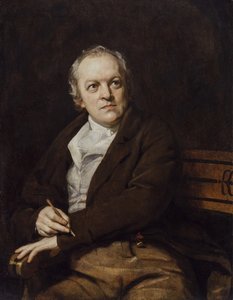
William Blake
1757 - 1827 , Storbritannien
Snabbfakta
- Artistic Movement Or Style: Romantik
- Artists Who Influenced This Artist:
- Rafael
- Michelangelo
- Date Of Birth: 1757
- Date Of Death: 1827
- Full Name: William Blake
- Nationality: Brittisk
- Notable Artworks:
- Lieder von Unschuld und Erfahrung
- Die Hochzeit des Himmels und der Erde
- Der Tiger
- Jerusalem
- Place Of Birth: London, UK
Relaterade artiklar

Romantic Realism's Finest: 10 Masterpieces for Your Home | AllPaintingsStore
Explore 10 defining masterpieces of Romantic Realism! Discover Courbet, Millet & Daumier's powerful paintings—capturing emotion and social realities. Find museum-quality reproductions for your home at AllPaintingsStore.com.

William Blake: Romantic Visionary & Mystical Genius of the Imagination
Explore the mystical art & poetic genius of William Blake (1757-1827). Discover his revolutionary illuminated printing, rich symbolism, and lasting influence on Romanticism. Find handmade reproductions at AllPaintingsStore.
John Varley I: Intimate Observation & the British Romantic Landscape
Explore the serene landscapes of John Varley I, a key figure in British Romanticism. Discover his unique watercolour style, collaboration with William Blake & lasting artistic legacy. Learn about collecting Varley's work.
Sir William Blake Richmond: A Visionary of Aestheticism & Symbolism
Explore the life & art of Sir William Blake Richmond, a pivotal figure bridging Pre-Raphaelitism and Aestheticism. Discover his stunning portraits, mosaics at St Paul's Cathedral, and lasting influence on Victorian art.

Dramatiska mästerverk: Topp 10 konstverk för ditt hem – AllPaintingsStore.com
Upptäck 10 dramatiska mästerverk som berör själen! Från Rembrandts ljusspel till Munchs intensiva uttryck – utforska konsthistoriens mest kraftfulla målningar. Hitta inspiration & museumkvalitativa reproduktioner på AllPaintingsStore.com.


