


 Visa i rummet
 Skicka
 Dela
Dela
 Detaljer
 Studentguide för konstverk

 Ladda ner
 Liknande objekt
 Röntgen
 Bildspel
 Besökstatistik
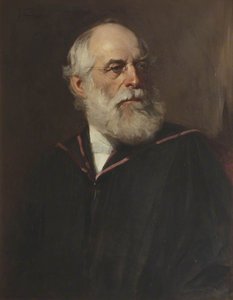
William Patrick
 101.0 x 88.0 cm
 Läs mer
Handgjord oljereproduktion
Handmålad olja på duk i din valda storlek och ram, tillverkad efter beställning av våra konstnärer. ( Byt till tryckta exemplar Byt till digital bildförsäljning)




































Välj bland våra förinställda storlekar som motsvarar konstverkets ursprungliga proportioner.

Ange den bredd och höjd du behöver för att passa din ram eller din vägg. Eftersom detta är handmålat kan konstnären vid en annan form måla lite mer runt bilden eller beskära den något – du väljer själv. Vi skickar en digital mockup för godkännande innan målningen påbörjas. Bilden som visas på denna sida representerar inte det slutgiltiga resultatet — det är endast mockuppen som visar det.
Efter beställning kommer AllPaintingsStore.com team att mejla kunden för instruktioner och tillhandahålla en skissförhandsvisning
Leverans över hela världen () på 3–4 veckor istället för standard 5 veckor. (25 oktober). Inga kompromisser med kvaliteten.

Fri expressfrakt över hela världen

Högkvalitativ linnecanvas

Fullständig fraktförsäkring

Garantier för återbetalning av tullavgifter

Garantier för exakt färgåtergivning

100 dagars returrätt vid fabrikationsfel

100% pengarna tillbaka-garanti

Mängdrabatt erbjuds
 Glasalternativet är endast tillgängligt i storlekar under 110 cm.

William Patrick
Tryckteknik
Reproduktionsstorlek
-


Totalpris
Skr 2557
Liknande konstverk



Om konstnären
William Pratt (1855 – 1936): Bridging Romanticism and Impressionism in Scottish Landscape Painting
William Pratt was born in Glasgow, Scotland, in 1855, into a family steeped in artistic tradition. His father, Robert Pratt, was a solicitor who fostered an appreciation for the arts within his household, nurturing William’s early fascination with drawing and painting—a passion that would define his lifelong career. While biographical details remain somewhat sparse compared to some contemporaries, Pratt's formative years instilled him with a meticulous eye for detail and a profound connection to the Scottish Highlands, influences that would permeate his artistic output.- Early Training & Influences: Pratt’s formal artistic education commenced at Glasgow School of Art, where he honed his skills under instructors who championed academic realism alongside burgeoning Romantic ideals. Notably, Sir David Wilkie RA and William Mulready RA served as pivotal mentors, shaping Pratt's understanding of composition, tonal harmony, and the expressive potential of landscape painting—elements that would become hallmarks of his distinctive style.
- Parisian Period & Impressionistic Sensibilities: Recognizing the importance of broadening artistic horizons, Pratt traveled to Paris in 1879, immersing himself in the vibrant atmosphere of the Belle Époque and encountering the burgeoning Impressionist movement firsthand. This exposure profoundly impacted his approach to color and brushwork, subtly transitioning him away from strict academic conventions toward a more luminous and atmospheric palette—a stylistic shift that aligns with the broader artistic currents of the era.
Notable Landscape Paintings & Artistic Style
Pratt’s oeuvre comprises approximately seventy paintings exhibited at The Royal Scottish Academy between 1877 and 1929, showcasing his unwavering dedication to capturing the grandeur and serenity of Scotland's mountainous terrain. His canvases are characterized by a remarkable level of technical precision—particularly evident in his meticulous rendering of textures and tonal gradations—yet simultaneously imbued with an emotive quality that transcends mere topographical accuracy. Pratt skillfully employed atmospheric perspective, layering colors to convey depth and luminosity, mirroring the techniques championed by Impressionists like Claude Monet and Frédéric Bazille. Recurring motifs included dramatic vistas overlooking lochs and glens, intimate depictions of Highland cottages bathed in golden light, and evocative portrayals of heather-covered hillsides—subjects that resonated deeply with the Romantic sensibility prevalent during his time.- Recurring Themes: Pratt’s artistic vision consistently centered on exploring the sublime beauty of Scotland's natural landscape, reflecting a broader preoccupation with capturing the grandeur and majesty of nature—a tradition rooted in Romantic art philosophy.
- Technique & Materials: He favored oil paints on canvas, utilizing glazing techniques to achieve subtle tonal variations and enhancing the richness of color palettes. His meticulous brushwork contributed significantly to the textural qualities of his paintings, conveying a palpable sense of immediacy and capturing fleeting moments of atmospheric drama.
Auction Records & Legacy
William Pratt’s artwork has achieved considerable recognition within the art historical canon. Auction records indicate that “Burning the Shaws” sold for £21,600 (premium) in 2005 and “Study of a Head” fetched £4000 in 2019—demonstrating continued interest in his oeuvre among collectors worldwide. Furthermore, Pratt’s paintings reside in prominent Scottish museums including Dumbarton, Crail, Glasgow and Paisley Museums. His enduring influence can be discerned in subsequent generations of Scottish landscape artists who embraced similar stylistic approaches and thematic concerns—solidifying his position as a pivotal figure in the development of British Romanticism and Impressionism.Further Research Resources
AskART lists William Pratt in 0 of its research Essays. AskART’s database currently holds 79 auction lots for William Pratt (of which 45 auction records sold and 0 are upcoming at auction.) His artist signature examples can be found on our website.
William Pratt
1855 - 1936
Snabbfakta
- Full Name: William Pratt
- Nationality: Scottish
- Date Of Birth: 1855
- Date Of Death: 1936
- Place Of Birth: Glasgow, Scotland
- Notable Artworks:
- Burning the Shaws
- Study of a Head
- Artistic Movement Or Style: Romanticism
- Artists Who Influenced This Artist:
- Sir David Wilkie RA
- William Mulready RA
- Artists Or Movements Influenced By This Artist: ['Romanticism']

