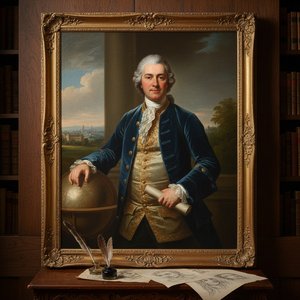
Jeremiah Theus: Charleston’s Dominant Portraitist
Jeremiah Theus (1716-1774) stands as a singular figure in the artistic landscape of colonial South Carolina, recognized primarily for his masterful portraits that captured the essence of Charleston society during its golden age. Born in Chur, Switzerland—a bastion of Huguenot heritage—Theus’s journey to America represents not merely geographical relocation but also an embrace of intellectual and stylistic innovation, shaping the visual culture of a burgeoning nation.- Early Life & Training: Theüs's formative years were spent amidst the Swiss Enlightenment, where he absorbed influences from Rococo art—characterized by ornate decoration and graceful curves—a style that would profoundly impact his artistic vision. Precise details regarding his formal training remain elusive, suggesting a self-taught artist who honed his skills through observation and experimentation.
- Immigration & Charleston’s Artistic Ecosystem: In 1735, accompanied by his family, Theüs arrived in Orangeburgh Township—later Orangeburg County—receiving substantial land grants from the South Carolina General Assembly. This generous patronage fostered an environment conducive to artistic pursuits, attracting skilled craftsmen and fostering a vibrant cultural scene.
- Establishing His Studio & Early Commissions: Recognizing Charleston’s potential as a center for artistic excellence, Theüs swiftly established his studio in the heart of the city—a strategic location that cemented his reputation as the foremost limner (portrait painter) of his time. He quickly garnered commissions from prominent families and institutions, demonstrating an astute understanding of market demands.
A Style Defined by Elegance & Observation
Theus’s artistic style is instantly recognizable: predominantly bust-length portraits executed in oil on canvas—a technique favored during the era—employ a meticulous attention to detail and an uncanny ability to convey psychological nuance. Unlike many of his contemporaries, Theus eschewed grand theatrical poses, opting instead for dignified stances that reflected the composure and refinement expected of Charleston’s elite. His canvases frequently incorporated elements borrowed from English mezzotints—a popular artistic medium at the time—reflecting a broader stylistic convergence between European and American art traditions. Notably, he meticulously copied poses and decorative flourishes from portraits by Francis Cotes—a celebrated English painter—demonstrating an awareness of prevailing aesthetic standards.- Notable Portraits & Influences: Among Theus’s most enduring achievements are the portraits of Colonel Barnard Elliott Jr. and his wife, considered masterpieces of Charlestonian art history. These works exemplify Theus's mastery of capturing both physical likeness and inner character—a hallmark of Rococo portraiture. His meticulous observation of English prints served as a crucial catalyst for stylistic development.
- The Manigault Family & Silk Hope Legacy: The portraits commissioned by Peter Manigault and his family stand as testament to Theus’s ability to portray individuals from diverse social strata—from wealthy planters to ordinary citizens. Recent scholarship has illuminated the poignant history of these canvases, revealing that they were defaced after their relocation to Silk Hope Plantation during the Civil War—a symbolic act reflecting the turbulent socio-political landscape of Reconstruction.
Legacy & Significance
Jeremiah Theus’s prolific output—spanning over three decades—established him as Charleston's dominant artist and cemented his place in American art history. His paintings reside in prestigious collections across the United States, including the Gibbes Museum of Art in Charleston and the Metropolitan Museum of Art in New York City. More than simply documenting the visual culture of colonial South Carolina, Theus’s portraits offer invaluable insights into the social dynamics, psychological complexities, and artistic sensibilities of a pivotal period in American history—a legacy that continues to inspire scholars and artists alike. His work remains an emblem of Charleston's artistic heritage and a testament to the enduring power of observation and stylistic innovation.Frågor & svar
Var hittar jag Jeremiah Theuss konstverk grupperade efter nyckelord?
Jeremiah Theuss verk kan utforskas via nyckelord på artistens Efter nyckelord-sida. Varje nyckelord grupperar de relaterade konstverken.
Finns det en tidslinje över Jeremiah Theuss verk?
En tidslinje över Jeremiah Theuss verk finns tillgänglig: på artistens Tidslinje för konstverk-sida sorteras verken efter skapelsedatum.
Vilka konstverk av Jeremiah Theus har flest visningar?
En Statistik-sida finns för Jeremiah Theus, som presenterar statistik om konstnärens verk på denna webbplats.