


 Gerçek Boyutta Önizle
 Paylaş
 Paylaş
 Detayları Gör
 Rehber

 İndir
İndir
 Benzer ürünler
 X-Işını
 Slayt Gösterisi
 Soru & Cevap
 İstatistikler
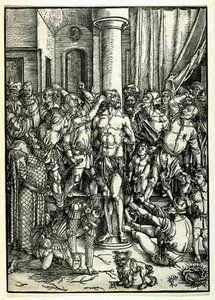
Flagellation


 Tümünü Gör
Giclée / Sanat Baskısı
Hızlı üretim ve esnek bitiş seçenekleriyle müze kalitesinde giclée veya kanvas baskı. ( El Yapımı Tablo Satın Al Dijital Görsele Geç)




P118B ₺10

P118H ₺10

P118W ₺10

P438Z ₺10

P508JH ₺12

P508YH ₺12

P805H ₺10

P805Z ₺10

P919BZ ₺10

P919G ₺10

P919XJ ₺10

P959ZH ₺10

P968JZ ₺12

W106C ₺8

W218G ₺10

W218JH ₺8

W218Y ₺10

W307PJ ₺10

W316G ₺10

W316PJ ₺8

W316Y ₺10

W398PJ ₺8

W4111J ₺10

W500HY ₺15

W500JH ₺15

W692G ₺12

W849H ₺8

W940BG ₺15

W953PJ ₺8




Eserin orijinal oranlarıyla uyumlu, önceden belirlenmiş boyutlarımız arasından seçim yapın.

Çerçevenize veya duvarınıza uygun olması için ihtiyacınız olan genişlik ve yüksekliği yazın. Bir baskı yalnızca kesilebilir, görselden daha büyük hale getirilemez; bu nedenle farklı bir formdaki boyut seçimi, görselin bir kısmının kaybına neden olur. Herhangi bir baskı yapmadan önce onaylamanız için size bir dijital taslak gönderiyoruz. Bu sayfada gösterilen resim gerçek kesimi göstermez — bunu yalnızca taslak gösterir.
Dünya Çapında Teslimat (); standart 4/5 hafta yerine 2 haftada. (11 Kasım)

Dünya Çapında Ücretsiz Ekspres Kargo

Yüksek Kaliteli Keten Kanvas

Tam Nakliye Sigortası

Gümrük Vergisi İadesi Garantisi

Gerçek Renk Uyumu Garantisi

100 Günlük İade Politikası (Sadece Kusurlu Ürünler İçin)

%100 Para İade Garantisi

Toplu Alım İndirimi
 Cam seçeneği yalnızca 110 cm altındaki boyutlar için mevcuttur.

Flagellation
Giclée / Sanat Baskısı
Reproduksiyon Boyutu
-


Toplam Tutar
₺ 3208
Identification of the Flagellation by Albrecht Dürer
The woodcut Flagellation by Albrecht Dürer captures a moment of profound torment. This Northern Renaissance work presents a scene of intense suffering within a structured architectural setting. The lines of the woodblock define the heavy geometry of columns and arches, framing the chaos of the figures caught in the act of violence. It is a study of tension held within a monochromatic world.
Albrecht Dürer utilized the precision of the woodcut to translate religious agony into a visual language of stark contrasts. The composition draws the eye toward the central struggle, where the physical reality of pain meets the rigid order of the portico. Every stroke of the tool contributes to the weight of the scene, turning a biblical event into a visceral encounter with human suffering. The shadows fall deep across the contorted limbs of the subjects.
This specific print belongs to a period of intense technical development for the artist. It remains a significant example of the Northern Renaissance style, where meticulous detail meets emotional gravity. The work exists as a quiet, heavy presence on the page.
Composition and Visual Elements
The scene unfolds within the cold, rigid geometry of an architectural portico. Figures are crowded into this space, packed tightly together in a chaotic arrangement that creates a sense of claustrophobia. Bodies overlap and twist, caught in a moment of intense torment. This density pushes the viewer toward the center of the violence, where human degradation is rendered through contorted limbs and pained expressions. The perspective feels somewhat flattened, a two-dimensional arrangement that emphasizes the weight of the suffering rather than the depth of the room.
Light and shadow act as the primary architects of this tension. The lighting is uneven, casting heavy, dark shadows that carve out the contours of the suffering subjects. These shadows cling to the folds of fabric and the hollows of skin, heightening the visceral impact of the execution. A grayscale palette governs the entire work, stripping away the distraction of color to focus on the stark contrast between light and dark. The absence of hue leaves only the raw reality of the scene: the pale skin of the victims against the dark, unyielding stone of the columns.
Technique and Artistic Style
The composition relies on a rigorous, linear precision. Sharp lines define the rigid geometry of the arches and the heavy columns of the portico, creating a structural skeleton for the chaos. These lines trace the outlines of the figures, carving their contorted limbs out of the shadows. The style draws heavily from the traditions of Renaissance painting, seeking to organize space through a controlled, mathematical logic. Every architectural element is rendered with a clarity that anchors the scene in a cold, unyielding reality.
Meticulous brushwork and shading build the weight of the subjects. Through subtle variations in tone, the artist simulates the tactile reality of skin, heavy fabric, and weathered stone. This technique creates a palpable sense of volume, turning flat shapes into three-dimensional forms that occupy the space with physical presence. The interplay of light and dark emphasizes the dramatic contours of the bodies, making the physical agony feel immediate. It is a study of texture achieved through the disciplined application of shade.
Related Works by Albrecht Dürer
The shadow of the scourging follows the artist through various iterations of sacred suffering. In the woodcut known as The Large Passion: 3. Flagellation of Christ, dated 1497, the narrative takes shape through the stark, rhythmic lines of the woodblock. This work shares a lineage with the Flagellation of Christ from the same year, where the brutality of the scene is captured through the precise, unyielding geometry of the German Renaissance. These early explorations of the Passion establish a visual language of tension and religious weight.
Later, the artist turned to the sharp bite of the metal burin. The 1512 engraving, Flagellation (No. 6), held at the University Art Museum, Princeton, utilizes dense hatching and cross-hatching to define the musculature of the torment and the heavy folds of drapery. It is a study in monochromatic depth, where light and shadow define the very anatomy of pain. The precision of the line creates a tactile reality, turning the copper plate into a landscape of human endurance.
Other works from his prolific output include:
The weight of the woodcut and the precision of the engraving remain linked by a singular, driving focus on the physical reality of the divine. Each stroke of the tool seeks to map the intersection of the spiritual and the visceral. The ink settles into the paper, quiet and still.
Soru ve Cevaplar
"Flagellation" adlı eser, Albrecht Dürer'in sanat kariyerinin hangi dönemini temsil ediyor?
"Flagellation", Albrecht Dürer sanatçısının Mature Period dönemini temsil etmektedir."
"Flagellation" neyi betimliyor ve nasıl bir atmosfere sahip?
Albrecht Dürer imzalı "Flagellation", religious suffering, torture, medieval art, durer’s work, pain, sacrifice, human degradation, renaissance drama öğelerini Dramatic bir atmosferle birleştiriyor.
"Flagellation" hangi malzemeden yapılmıştır ve hangi stildedir?
"Flagellation" adlı eserde, Woodcut tekniği Northern Renaissance akımıyla buluşuyor.
Benzer Eserler




Sanatçı Özgeçmişi
Nürnberg’in Kalbinden Yükselen Bir Deha: Albrecht Dürer'in Hayatı ve Sanat Yolculuğu
Albrecht Dürer, 15. yüzyılın sonu ve 16. yüzyılın başlarında Avrupa sanatını derinden etkileyen bir isimdir. Nürnberg’de, kuyumcu babası Albrecht Dürer the Elder’ın atölyesinde büyüyen genç Albrecht, hem zanaatkârlık geleneğini hem de sanata olan tutkusunu içinde taşıyordu. 1471 yılında doğan bu dahi, kısa sürede Nürnberg sanat sahnesinin ötesine geçerek Avrupa çapında tanınacak ve Rönesans’ın en önemli figürlerinden biri haline gelecekti. Babasının atölyesinde edindiği temel beceriler, onu genç yaşta Michael Wolgemut'un atölyesine giden bir yol açtı. Wolgemut’un yanında hem resim hem de ahşap baskı tekniklerini öğrenen Dürer, Nürnberg Kroniği gibi büyük projelerde çalışarak deneyim kazandı ve sanatsal yeteneğini geliştirdi. Bu dönemde ortaya çıkan ilk eserleri, özellikle gümüş kalemle yaptığı portreler, onun olağanüstü yeteneğinin erken bir göstergesiydi.İtalya’nın Cazibesi ve Sanatın Evrimi
Dürer'in sanatsal yolculuğu, İtalya seyahatiyle yeni bir boyut kazandı. 1494 yılında başlayan bu keşif yolculuğu, onu Rönesans sanatının kalbine götürdü. Floransa, Venedik ve Roma gibi şehirlerde Raphael, Giovanni Bellini ve Leonardo da Vinci gibi dönemin önde gelen sanatçıların eserlerini yakından görme fırsatı buldu. İtalyan sanatının klasik formları, uyumlu kompozisyonları ve ince sfumato tekniği Dürer'i derinden etkiledi. Ancak bu etkiye rağmen, Kuzey Avrupa’ya özgü detaylara gösterdiği özen ve sembolizm anlayışından vazgeçmedi. İtalya seyahatleri, onun sanatını daha da olgunlaştırdı ve hem teknik becerilerini geliştirmesine hem de sanatsal vizyonunu genişletmesine olanak sağladı. 1505-1507 yılları arasındaki ikinci İtalya seyahati, antik Roma kalıntılarını incelemesi ve insan anatomisi konusundaki bilgisini derinleştirmesi için bir fırsat oldu. Bu iki farklı sanat anlayışını harmanlayarak Dürer, kendine özgü ve benzersiz bir tarz yarattı.Çeşitli Ortamlarda Ustalık: Resim, Gravür ve Ahşap Baskı
Dürer, yalnızca ressam değil, aynı zamanda olağanüstü bir gravürcü ve ahşap baskı sanatçısıydı. Yağlı boya tabloları daha az sayıda olsa da, renk kullanımı ve insan psikolojisini yakalama yeteneği takdire şayandı. *Gül Çelenk Şöleni* gibi eserleri, Venedik etkilerini taşıyan canlı bir paletle dikkat çekiyor. Ancak Dürer'in gerçek ustalığı, baskı tekniklerinde kendini gösteriyordu. Ahşap baskılarla karmaşık anlatıları ve derin duyguları aktarırken, gravürler ise eşsiz bir ayrıntı ve hassasiyet sunuyordu. *Vahiy Dizisi* (1498), ahşap baskı tekniğinin sınırlarını zorlayan bir başyapıt olarak kabul edilirken, *Melankoli I* (1514) ve *Aziz Hieronymus'un Çalışması* (1514) gibi gravürleri, sembolizmle dolu karmaşık kompozisyonları ve olağanüstü teknik becerisiyle sanat tarihine adını altın harflerle yazdırdı. Dürer, sadece bir ressam değil, aynı zamanda baskı sanatının sınırlarını genişleten bir yenilikçiydi.Teorisyen ve Yenilikçi: Albrecht Dürer'in Mirası
Dürer, sanatsal yeteneğinin yanı sıra, bir teorisyen ve düşünür olarak da öne çıktı. Sanatın altında yatan matematiksel prensipleri anlamaya çalıştı ve insan oranları üzerine yaptığı çalışmalarla sanat pratiğine bilimsel bir yaklaşım getirdi. *İnsan Oranları Üzerine Dört Kitap* (1528) adlı eseri, dönemin sanatçıları için çığır açıcı nitelikteydi. Bu eser, yalnızca akademik bir çalışma değil, aynı zamanda sanatçıların statüsünü yükseltmeyi amaçlayan bir manifesto gibiydi. Dürer'in Kuzey Avrupa geleneklerini İtalyan Rönesansı idealleriyle birleştirmesi, sanat dünyasında yeni bir sentez yarattı. Onun teknik ustalığı, yenilikçi ruhu ve derin vizyonu, nesilden nesile sanatçıları ilhamlandırmaya devam ediyor.Etkiler ve Kalıcı Miras
- Michael Wolgemut: Dürer'in ilk hocası, resim ve ahşap baskı teknikleri konusunda temel beceriler kazandırdı.
- Leonardo da Vinci: Anatomiyi, perspektifi ve sfumato tekniğini keşfetmesinde etkili oldu.
- Raphael: Kompozisyon uyumu ve idealize edilmiş formlar konusunda ilham kaynağı oldu.
- Giovanni Bellini: Renk kullanımı ve Venedik resim gelenekleri hakkında bilgi edindi.

Albrecht Dürer
1471 - 1528 , İtalya
Kısa Bilgiler
- Artistic Movement Or Style: Geç Gotik, Rönesans
- Artists Or Movements Influenced By This Artist: ['Kuzey Rönesansı']
- Artists Who Influenced This Artist:
- Leonardo da Vinci
- Raphael
- Giovanni Bellini
- Date Of Birth: 21 Mayıs 1471
- Date Of Death: 6 Nisan 1528
- Full Name: Albrecht Dürer
- Nationality: Alman
- Notable Artworks:
- Apocalypse Serisi
- Melankoli I
- Aziz Hieronymus'un Çalışması
- Place Of Birth: Nürnberg, Almanya
Benzer Yazılar

Engraving's Golden Age: 10 Masterpieces That Redefined Art | AllPaintingsStore
Journey through art history with our Top 10 Legendary Engravings! Explore masterpieces by Dürer, Rembrandt & Goya. Discover the stories behind these iconic prints and find museum-quality reproductions for your home at AllPaintingsStore.com.

British Müzesi'nin En İkonik 25 Eseri: Sanat Tarihine Yolculuk
British Müzesi'nin en değerli 25 eserini keşfedin! Leonardo da Vinci, Van Gogh ve daha fazlasının hikayeleriyle sanat tarihine yolculuk yapın. Evinizi müze kalitesinde tablolarla süsleyin. AllPaintingsStore.com’da tüm şaheserleri inceleyin.

Albrecht Dürer: A Renaissance Master's Legacy of Innovation and Self-Portraiture
Explore the life & art of Albrecht Dürer, a pivotal German Renaissance master. Discover his groundbreaking printmaking techniques, iconic self-portraits, and lasting influence on Western art history. A deep dive into innovation & symbolism.

German Renaissance Unlocked: The Bold Precision and Iconic Mastery of Albrecht Dürer Reimagined
Discover the bold precision of the German Renaissance. Explore the legendary mastery of Albrecht Dürer through expert art history insights and premium, hand-painted reproductions designed to bring iconic Northern Renaissance detail into your modern collection.

Masterpieces of Albrecht Dürer: The Top 25 Essential Artworks
Explore 25 iconic Albrecht Dürer masterpieces from the Northern Renaissance. Discover the full collection online at AllPaintingsStore.com.


