


 Önizleme yap
 Paylaş
 Paylaş
 Detayları Gör
 Rehber

 İndir
İndir
 Benzerlerini gör
 X-Işını
 Slayt Gösterisi
 İstatistikler
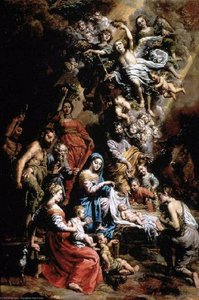
Adoration of the Shepherds (detail)


 Tümünü Gör
El Yapımı Yağlı Boya Reproduksiyon
Sanatçılarımız tarafından sipariş üzerine hazırlanan; istediğiniz boyut ve çerçevede, tuval üzerine el boyaması yağlı boya. ( Baskı Moduna Geç Dijital Görsele Geç)




P118B $10

P118H $10

P118W $10

P438Z $10

P508JH $12

P508YH $12

P805H $10

P805Z $10

P919BZ $10

P919G $10

P919XJ $10

P959ZH $10

P968JZ $12

W106C $8

W218G $10

W218JH $8

W218Y $10

W307PJ $10

W316G $10

W316PJ $8

W316Y $10

W398PJ $8

W4111J $10

W500HY $15

W500JH $15

W692G $12

W849H $8

W940BG $15

W953PJ $8




Eserin orijinal oranlarıyla uyumlu, önceden belirlenmiş boyutlarımız arasından seçim yapın.

Belirli bir çerçeveye veya alana uyması için kendi boyutlarınızı girebilirsiniz. Seçtiğiniz boyut orijinal görüntünün oranlarıyla eşleşmiyorsa, sanat eserini kırparak veya ek el boyaması öğelerle resmi uzatarak ayarlayacağız. Üretim başlamadan önce onayınız için dijital bir taslak gönderilecektir.
Lütfen ekrandaki önizlemenin gerçek kırpmayı veya uzatmayı yansıtmadığını unutmayın. Nihai kompozisyonu yalnızca hazırlanan taslak doğru şekilde gösterecektir.
Özel boyutlar mevcut olsa da, orijinal oranları korumak adına önceden tanımlanmış listeden bir boyut seçmenizi öneririz.
Siparişten sonra, AllPaintingsStore.com ekibi talimatlar için müşteriye e-posta gönderecek ve bir taslak önizleme sunacaktır
Dünya Çapında Teslimat (); standart 5 hafta yerine 3/4 haftada. (21 Eylül). Kaliteden ödün verilmez.

Dünya Çapında Ücretsiz Ekspres Kargo

Yüksek Kaliteli Keten Tuval

Tam Kapsamlı Nakliye Sigortası

Gümrük Vergisi İade Garantisi

Gerçek Renk Uyumu Garantisi

100 Günlük İade Politikası (Sadece Kusurlu Ürünler İçin)

%100 Para İade Garantisi

Toplu Alım İndirimi
 Cam seçeneği yalnızca 110 cm altındaki boyutlar için mevcuttur.

Adoration of the Shepherds (detail)
Reproduksiyon Tekniği
Reproduksiyon Boyutu
-


Toplam Tutar
$ 258
A Nocturnal Miracle: Antonio Balestra’s “Adoration of the Shepherds”
The year is 1707, and within the walls of a Venetian church, a scene unfolds bathed in the ethereal glow of candlelight – Antonio Balestra's "Adoration of the Shepherds." This isn’t merely a depiction of a biblical narrative; it’s an immersive experience, a carefully constructed tableau brimming with quiet reverence and profound human connection. The painting captures a pivotal moment: the shepherds, alerted by angels, gather to pay homage to the infant Jesus nestled in the manger, their faces illuminated not just by divine light but also by a palpable sense of wonder.
Balestra, a master of the Rococo style flourishing in Italy during this period, eschews the dramatic grandeur often associated with religious art. Instead, he favors a subtle elegance and an intimate scale. The composition is remarkably balanced, drawing the eye towards the central figures – the kneeling shepherds, their gestures conveying humility and devotion. Notice how Balestra uses light to sculpt form; it’s not a harsh illumination but rather a diffused glow that softens edges and imbues the scene with a dreamlike quality. The muted palette—earthy browns, deep blues, and touches of gold—further enhances this sense of serenity.
A Window into 18th-Century Venetian Art
To understand Balestra’s work fully, we must consider the artistic landscape of Venice in the early 18th century. Following the influence of the Roman Classicism championed by Carlo Maratta, Venetian painting was undergoing a subtle but significant shift. Artists like Balestra were moving away from rigid academic rules and embracing a more expressive style, incorporating elements of Baroque drama while retaining a refined elegance. His training under Bellucci in Venice solidified this transition, allowing him to synthesize classical principles with the vibrant colors and atmospheric effects characteristic of Venetian painting.
The painting’s setting within a Venetian church is crucial. Churches were not simply places of worship; they were vital social hubs, adorned with art that aimed to inspire faith and uplift the spirit. Balestra's work reflects this role, offering viewers a moment of contemplation amidst the bustle of daily life.
Symbolism and Narrative Depth
Beyond its aesthetic beauty, “Adoration of the Shepherds” is rich in symbolic meaning. The shepherds themselves represent the common people, embodying humility and faith – qualities valued by the Church during this era. Their attentive gazes towards the infant Jesus signify a profound connection between heaven and earth. The presence of animals—sheep, a dog—adds to the scene’s pastoral charm and reinforces the theme of innocence and vulnerability.
The manger itself is not just a cradle; it's a symbol of sacrifice and redemption. The arrangement of figures around it speaks to the universality of this narrative – everyone, regardless of social standing, is invited to participate in the miracle of Christ’s birth. Even the subtle details—the folds of the shepherds’ robes, the expressions on their faces—contribute to the painting's emotional resonance.
Technique and Artistic Legacy
Balestra’s masterful technique is evident in his skillful use of pen and ink, combined with delicate washes of color. He employs a loose, expressive brushstroke that creates a sense of movement and immediacy. The drawing is remarkably detailed, yet retains an overall fluidity—a testament to Balestra's artistic control. The composition demonstrates a sophisticated understanding of perspective and spatial relationships, creating a believable and engaging scene.
While the original painting is now housed in a private collection, high-quality reproductions offer a remarkable opportunity to experience its beauty and contemplate its profound message. “Adoration of the Shepherds” remains a powerful testament to Balestra’s artistic vision—a timeless depiction of faith, humility, and the enduring miracle of Christmas.
Benzer Eserler




Sanatçı Özgeçmişi
Antonio Balestra: A Life in Rococo Art
Early Life and Training
Antonio Balestra (born August 12, 1666, Verona, Italy – died April 21, 1740) was a prominent Italian painter of the Rococo period. His artistic journey began with an apprenticeship under Giovanni Zeffio in his native Verona. This foundational training provided him with early skills in drawing and painting techniques.
Artistic Development & Influences
By 1690, Balestra moved to Venice, where he further honed his skills under the guidance of Antonio Bellucci for three years. He then traveled to Bologna and subsequently Rome, working in the workshop of the renowned Carlo Maratta. This exposure to different artistic centers and masters significantly shaped his style.
- Venetian Influence: His time in Venice instilled a sense of color and dramatic composition.
- Roman Classicism: Working with Maratta exposed him to classical ideals and academic rigor.
Career & Major Works
In 1694, Balestra achieved recognition by winning a prize from the Accademia di San Luca in Rome. He subsequently worked extensively in both Verona and Venice, though his influence was arguably stronger in mainland Italy.
- Religious Commissions: He received numerous commissions for religious paintings, including works for churches such as I Gesuiti and San Zaccaria in Venice, and Sant'Ignazio in Bologna.
- Notable Paintings: Some of his significant works include “Adoration of the Shepherds”, “Theseus Discovering his Father’s Sword,” and “The Death of Abel”.
Pupils & Artistic Legacy
Balestra was a respected teacher, and several notable artists studied under him. His pupils included Pietro Rotari and Giambettino Cignaroli in Verona, and Pietro Longhi, along with others like Mariotti, Giuseppe Nogari, Mattia Bortoloni, and Angelo Trevisani in Venice. He also influenced a young Giambattista Pittoni.
Artistic Style & Philosophical Stance
Balestra’s painting style is characterized by its adherence to academic standards and a somewhat conservative approach within the Rococo period. He was critical of what he perceived as a decline in artistic discipline, lamenting the tendency of contemporary painters to deviate from established principles.
“All the present evil derives from the pernicious habit…of working from the imagination without having first learned how to draw after good models,” he famously stated.Historical Significance
Antonio Balestra represents a transitional figure in Italian art, bridging the Baroque and Rococo periods. While embracing elements of the Rococo’s elegance and decorative flair, he remained committed to classical ideals and academic training. His work provides valuable insight into the artistic debates and evolving tastes of 18th-century Italy.

Antonio Balestra
1666 - 1740 , Italy
Kısa Bilgiler
- Birth Date: 1666-08-12
- Birth Place: Verona, Italy
- Death Date: 1740-04-21
- Influenced:
- Pietro Rotari
- Giambettino Cignaroli
- Pietro Longhi
- Mariotti
- Giuseppe Nogari
- Mattia Bortoloni
- Angelo Trevisani
- Giambattista Pittoni
- Domenico Pecchio
- Domenico Bertini
- Carlo Salis
- Influenced By: Giovanni Zeffio, Antonio Bellucci, Carlo Maratta
- Movement: Rococo
- Name: Antonio Balestra
- Nationality: Italian
- Notable Works:
- Adoration of the Shepherds
- Theseus Discovering his Father's Sword
- The Death of Abel
- Virgin and Infant, with Saints Ignatius and Stanislaus Kostka
İlgili Makaleler

Baroque vs. Rococo: A Definitive Guide to the Drama of Grandeur and the Elegance of Grace
Explore the profound differences between Baroque drama and Rococo elegance. Our expert guide delves into art history, chiaroscuro, and the evolution of European masterpieces for collectors and enthusiasts seeking deep historical context.

From Grandeur to Grace: Exploring the Evolution of Baroque & Rococo Art
Explore the captivating evolution from Baroque's drama to Rococo's grace! Discover key artists, characteristics & lasting influence of these art movements with expert insights at AllPaintingsStore.

Drama & Delight: A Journey Through the Grandeur of Baroque and Rococo Art
Embark on a cultural journey through the dramatic grandeur of Baroque and the delicate grace of Rococo art. Discover the history, techniques, and timeless beauty of these magnificent eras with our expert-led exploration of European masterpieces.

Drama and Light: A Definitive Guide to the Italian Baroque Masterpieces and the Revolution of Chiaroscuro
Explore the dramatic world of Italian Baroque art. Discover how masters like Caravaggio used chiaroscuro and tenebrism to revolutionize painting through light, shadow, and profound realism. A definitive guide for history lovers and art collectors.

Rokoko Sanatının Zirveleri: Evinizi Süsleyen 10 Usta Eser
Rokoko sanatının en büyüleyici 10 eseriyle tanışın! Ünlü ressamların zarif dünyasına yolculuk edin, pastel tonları keşfedin ve evinizi AllPaintingsStore'tan alacağınız replikalarla güzelleştirin. Sanat tarihini yakından inceleyin ve Rokoko'nun büyüsünü yaşayın. Koleksiyonu çevrimiçi keşfedin!

