


 Önizle
 Gönder
 Paylaş
 Detaylar
 Rehber

 Dosyayı İndir
 Benzerleri
 X-Işını
 Slayt Gösterisi
 İstatistikler
İsa Çaprazı
 Ahşap Panel Üzerine Tempera
- Proto-Renaissance
 1287
1287- Geç Orta Çağ
 448.0 x 390.0 cm
 Museo dell'Opera di Santa Croce
 Devamını Oku
El Yapımı Yağlı Boya Reproduksiyon
Sanatçılarımız tarafından sipariş üzerine hazırlanan; istediğiniz boyut ve çerçevede, tuval üzerine el boyaması yağlı boya. ( Baskı Satışına Geç Dijital Görsel Satışına Geç)




P118B ₺10

P118H ₺10

P118W ₺10

P438Z ₺10

P508JH ₺12

P508YH ₺12

P805H ₺10

P805Z ₺10

P919BZ ₺10

P919G ₺10

P919XJ ₺10

P959ZH ₺10

P968JZ ₺12

W106C ₺8

W218G ₺10

W218JH ₺8

W218Y ₺10

W307PJ ₺10

W316G ₺10

W316PJ ₺8

W316Y ₺10

W398PJ ₺8

W4111J ₺10

W500HY ₺15

W500JH ₺15

W692G ₺12

W849H ₺8

W940BG ₺15

W953PJ ₺8




Eserin orijinal oranlarıyla uyumlu, önceden belirlenmiş boyutlarımız arasından seçim yapın.

Çerçevenize veya duvarınıza uygun olması için ihtiyacınız olan genişliği ve yüksekliği yazın. Bu eser el boyamasıdır; bu nedenle farklı bir formdaki boyutlar için sanatçı, resmin etrafına biraz daha fazla boya ekleyebilir veya biraz daha kırpabilir — seçim sizin. Boyama işlemi başlamadan önce onaylamanız için size bir dijital taslak gönderiyoruz. Bu sayfada gösterilen resim gerçek sonucu yansıtmamaktadır — gerçek sonucu yalnızca taslak göstermektedir.
Siparişten sonra, AllPaintingsStore.com ekibi talimatlar için müşteriye e-posta gönderecek ve bir taslak önizleme sunacaktır
Dünya Çapında Teslimat (); standart 5 hafta yerine 3/4 haftada. (24 Ekim). Kaliteden ödün verilmez.

Dünya Çapında Ücretsiz Ekspres Kargo

Yüksek Kaliteli Keten Tuval

Tam Nakliye Sigortası

Gümrük Vergisi İadesi Garantisi

Gerçek Renk Uyumu Garantisi

100 Günlük İade Koşulları (Sadece Üretim Hatalı Ürünler İçin)

%100 Para İade Garantisi

Toplu Alım Avantajı
 Cam seçeneği yalnızca 110 cm altındaki boyutlar için mevcuttur.

İsa Çaprazı
Baskı Tekniği
Baskı Boyutu
-


Toplam Fiyat
₺ 13837
Cimabue’nın Santa Croce Crucifixü: Orta Çağ Rönesansı Köprüsü
Giovanni Cimabue (CHEE-mə-BOO-ay), yaklaşık 1240 yılında Floransa doğmuş ve Pisa’da 1302 yılında hayatını tamamlamış İtalyan bir ressam ve mozaik tasarımcısıdır. Giorgio Vasari tarafından yüzyıllar sonra yazılan romantik anlatılara rağmen Cimabue hakkında çok az bilgi bulunmaktadır; ancak onun sanat tarihinin önemli bir dönüm noktası olduğu kabul edilmektedir. Vasari’nin Görkemli Ressamların Hayatları adlı eserinde Cimabue, Bizans sanatının kurucu figürü olarak tasvir edilmiştir. Ancak günümüzde birçok bilim adamı Vasari’nin iddiasını sorgulamaktadır; daha erken kaynaklar Cimabue’nin onun öğrencisi Giotto olduğunu göstermektedir.
Cimabue sadece bir ressam değil, aynı zamanda sanatın geleneksel yöntemlerine meydan okuyan cesur bir yenilikçiydi. Floransa’nın ilk büyük sanatçısı Giotto ile öğretmeni olarak Vasari tarafından bilinmektedir. Cimabue’nin tarzı Bizans etkileri ve erken Rönesans yenilikleriyle karakterizedir. Daha önce Orta Çağ sanatında görülen düz, şematik yöntemlere kıyasla figürlerin daha canlı oranları ve gölgelendirme teknikleri kullanılmıştır.
- Sanatçı: Giovanni Cimabue
- Doğum Yılı: Yaklaşık 1240
- Ölüm Yılı: Pisa, 1302
- Doğum Şehri: Floransa
- Doğum Ülkesi: İtalya
Cimabue’nin eserleri Bizans sanatının kurucu figürü olarak tasvir edilmiştir. Daha önce Orta Çağ sanatında görülen düz, şematik yöntemlere kıyasla figürlerin daha canlı oranları ve gölgelendirme teknikleri kullanılmıştır.
Eserin Özeti
Santa Croce’daki Crucifix (İsa Çarmıha İstilası), Floransa’nın Franciscan keşişlerinin yaptırdığı önemli bir eserdir. Cimabue’nin tarzı Bizans etkileri ve erken Rönesans yenilikleriyle karakterizedir. Daha önce Orta Çağ sanatında görülen düz, şematik yöntemlere kıyasla figürlerin daha canlı oranları ve gölgelendirme teknikleri kullanılmıştır.
Eserde İsa Çarmıha İstilası’nın temel temasını işleyen Bizans ikonografisinin etkileri görülmektedir. Kompozisyon klasik bir çarmıha benzer şekilde düzenlenmiştir; İsa Çarmıha merkezde yer alır ve iki müezzin, Mary Magdalene ve Saint John the Evangelist olarak tasvir edilir.
Teknik Detaylar
Cimabue’nin tekniği Bizans etkileriyle erken Rönesans yenilikleriyle birleşmiştir. Çalışmada derin mavi, kırmızı ve altın renkleri kullanılmıştır. Bu renkler kutsallığı vurgulayarak dini duyguları harekete geçirir. Figürlerin daha canlı oranları ve gelişmiş gölgelendirme teknikleri kullanılmıştır.
Eser tempera tekniğiyle uygulanmıştır. Altın folyo detaylar ekleyerek sahnenin kutsallığını artırır. Çalışmanın dikkatli ayrıntıları figürlerin cilt rengini ve kıyafetlerini göstermektedir. Cimabue’nin ustalığına şahitlik etmektedir.
Tarihi Bağlam
Cimabue, yaklaşık 1240 yılında Floransa’da doğmuş ve Pisa’da 1302 yılında hayatını tamamlamış İtalyan bir ressamdır. Onun eserleri Bizans sanatının kurucu figürü olarak tasvir edilmiştir. Daha önce Orta Çağ sanatında görülen düz, şematik yöntemlere kıyasla figürlerin daha canlı oranları ve gölgelendirme teknikleri kullanılmıştır.
Cimabue’nin Floransa’daki çalışmaları Bizans sanatının kurucu figürü olarak tasvir edilmiştir. Daha önce Orta Çağ sanatında görülen düz, şematik yöntemlere kıyasla figürlerin daha canlı oranları ve gölgelendirme teknikleri kullanılmıştır.
Sembolizm ve Duygusal Etki
Eser İsa Çarmıha İstilası’nın temel temasını işleyen Bizans ikonografisinin etkileri görülmektedir. Kompozisyon klasik bir çarmıha benzer şekilde düzenlenmiştir; İsa Çarmıha merkezde yer alır ve iki müezzin, Mary Magdalene ve Saint John the Evangelist olarak tasvir edilir.
Eserin duygusal etkisi derin üzüntü, şükranseverlik ve hüznü harekete geçirir. Çalışmada İsa Çarmıha daha önce Orta Çağ sanatında görülen düz, şematik yöntemlere kıyasla daha canlı oranları ve gölgelendirme teknikleri kullanılmıştır.
Ek Araştırma
Cimabue’nin eserleri Bizans sanatının kurucu figürü olarak tasvir edilmiştir. Daha önce Orta Çağ sanatında görülen düz, şematik yöntemlere kıyasla figürlerin daha canlı oranları ve gölgelendirme teknikleri kullanılmıştır.
Soru ve Cevaplar
"İsa Çaprazı" eserinde hangi ruh hali ve duygu bir araya geliyor?
"İsa Çaprazı" eserinde, Huzurlu bir ruh hali Ruhani bir duyguya eşlik ediyor.
Museo dell'Opera di Santa Croce bünyesindeki "İsa Çaprazı" eserinin çoğaltma hakları nelerdir?
Museo dell'Opera di Santa Croce bünyesinde bulunan Cimavye imzalı "İsa Çaprazı", kamu malıdır - telif hakkı süresi dolmuştur statüsündedir. Bu durum, görüntünün çoğaltılıp çoğaltılamayacağını belirler.
"İsa Çaprazı" eserini kim, ne zaman yaptı?
Cimavye, "İsa Çaprazı" adlı eseri 1287 yılında yaptı.
İlgili Eserler


Sanatçı Biyografisi
Giovanni Cimabue: Pioneer of Italian Painting
Giovanni Cimabue, born Cenni di Pepo around 1240 in Florence, stands as a monumental figure—a bridge between the established artistic traditions of the Byzantine world and the burgeoning innovations that would define the Italian Renaissance. His life, though partially obscured by time and romanticized accounts – most notably those penned by Giorgio Vasari centuries later – marks an undeniable turning point in Western art history. Cimabue wasn’t simply a painter; he was a courageous innovator who dared to subtly challenge artistic conventions, laying the groundwork for the revolutionary changes that would soon sweep across Italy. Even his nickname, believed to mean “bull-headed,” hints at a strong will and perhaps a rebellious spirit—qualities demonstrably present in his willingness to experiment with form and expression. He represents a crucial moment where art began to shift from being solely devotional imagery towards something more humanistic and emotionally resonant.Early Influences and Artistic Development
Initially immersed in the Italo-Byzantine style prevalent throughout Florence, Cimabue’s early work adhered closely to established aesthetic principles: flattened figures adorned with shimmering gold leaf, symbolic rather than realistic depictions of space, and a profound focus on religious iconography. However, even within these constraints, a nascent desire for naturalism began to emerge. He wasn't content merely replicating existing forms; he sought to imbue his paintings with a greater sense of life and emotional depth. While the precise nature of his early training remains debated, it’s likely he honed his skills within Florentine workshops, absorbing the techniques and influences of the time while simultaneously developing his own unique artistic voice. The Byzantine style, characterized by its formality and spiritual focus, provided him with a solid foundation, but Cimabue began to subtly introduce elements that would foreshadow the coming Renaissance—a greater attention to volume, more expressive facial features, and a nascent understanding of spatial relationships. This wasn’t a sudden break from tradition, but rather a gradual evolution, a delicate balancing act between honoring the past and embracing new possibilities.Masterpieces and Artistic Innovations
Cimabue's legacy is cemented through a series of breathtaking works that showcase his evolving style. The *Maestà* (Louvre), originally created for the Church of San Francesco in Pisa, stands as one of his most celebrated masterpieces. This monumental altarpiece exemplifies his mastery of composition and use of color, while simultaneously hinting at the shift away from rigid Byzantine conventions. The figures, though still possessing a degree of formality, exhibit a newfound sense of volume and presence. The *Crucifixion* (San Domenico, Arezzo), dating around 1270, is particularly significant as an early demonstration of his departure from strict Byzantine norms. Here, the proportions are more realistic, and the emotional weight of the scene is palpable—a stark contrast to the often-distant depictions found in earlier religious art. Further evidence of Cimabue’s innovative spirit can be seen in works like the *Flagellation of Christ* (Frick Collection), generally attributed to his workshop. This complex composition reveals an evolving understanding of perspective and spatial relationships, showcasing a growing interest in creating more immersive and believable scenes. His contributions weren't limited to panel paintings; Cimabue also excelled as a mosaicist, contributing significantly to the decoration of the Baptistery of Florence—though these mosaics have unfortunately suffered from deterioration over time.A Pivotal Teacher: Giotto and Beyond
Perhaps Cimabue’s most enduring legacy lies in his role as the teacher of Giotto di Bondone. While historical accounts vary regarding the exact nature of their relationship, it is widely accepted that Giotto received crucial training under Cimabue's guidance. However, Giotto would ultimately surpass his master, revolutionizing Italian painting with an even more radical embrace of naturalism and emotional realism. It’s a testament to Cimabue’s skill as a teacher that he fostered such talent, even knowing it might eclipse his own achievements. The story, often recounted by Vasari, of Giotto playfully painting a fly on Cimabue's face speaks volumes about the dynamic between master and pupil—a playful rivalry that ultimately pushed both artists to greater heights. Cimabue’s influence extended beyond Giotto, impacting numerous other artists of the period. He challenged the artistic norms of his time, demonstrating that art could be more than just religious symbolism; it could also reflect human emotion and experience. His willingness to experiment with form, proportion, and expression paved the way for the innovations of the Renaissance, establishing him as a crucial transitional figure in the history of Western art.Enduring Significance
Cimabue passed away in 1302 in Pisa, leaving behind a body of work that continues to captivate and inspire. Despite his significant contributions, details surrounding his later life remain scarce. However, his artistic legacy resonates powerfully through the works of his students and the evolution of Italian art. He represents a crucial step in the development of Western painting, moving away from the stylized conventions of the Byzantine era towards a more humanistic and naturalistic approach. His paintings are not merely historical artifacts; they are windows into a pivotal moment in artistic history—a time when artists began to question established norms and explore new possibilities. He was a pioneer, a visionary who dared to challenge the status quo and lay the foundations for the artistic brilliance that would define the Renaissance. Cimabue’s work reminds us that even within tradition, there is always room for innovation, and that true artistry lies in the courage to push boundaries and explore new horizons.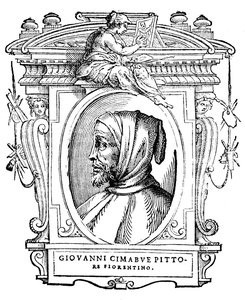
Cimavye
1240 - 1302 , İtalya
Kısa Bilgiler
- Artistic Movement Or Style: Byzantine ve Rönesans
- Artists Or Movements Influenced By This Artist: ['Giotto']
- Artists Who Influenced This Artist:
- Giunta Pisano
- Coppo di Marcovaldo
- Date Of Birth: c. 1240
- Date Of Death: 1302
- Full Name: Giovanni Cimabue
- Nationality: İtalyan
- Notable Artworks:
- Maestà
- Çarmıh
- İsa’nın Çırpınışı
- Place Of Birth: Florence, Italy
İlgili Yazılar

Late Medieval Masterpieces: 10 Artworks That Defined an Era | AllPaintingsStore
Journey through 10 defining Late Medieval masterpieces – from Giotto's frescoes to Jan van Eyck’s realism. Explore the stories, techniques & vibrant colors of Gothic art. Find museum-quality reproductions and elevate your home decor with AllPaintingsStore.com! Discover all masterpieces on AllPaintingsStore.com

Proto-Renaissance Masters: 10 Artworks That Changed History | AllPaintingsStore
Journey back to the dawn of Renaissance art! Explore 10 iconic Proto-Renaissance masterpieces by Giotto, Cimabue & Duccio. Discover their stories, techniques & lasting impact. Find museum-quality reproductions for your home at AllPaintingsStore.com

High Medieval Art: 10 Masterpieces That Shaped an Era | AllPaintingsStore
Journey through High Medieval Art! Explore 10 iconic masterpieces – from Giotto's frescoes to stunning Gothic cathedrals. Discover the stories behind these timeless paintings, sculptures & illuminated manuscripts. Find museum-quality art reproductions at AllPaintingsStore.com.

Illuminating Faith & Power: A Journey Through Medieval Art (c. 500 – c. 1500)
Explore the rich history of Medieval Art (c. 500 – c. 1500) with AllPaintingsStore. Discover Byzantine mosaics, Gothic cathedrals & Renaissance masterpieces. Expert insights & museum-quality reproductions.

Illuminating Eternity: A Comprehensive Exploration of Byzantine Art's Legacy
Explore the rich history & stunning artistry of the Byzantine Empire! Discover iconic mosaics, profound symbolism, and lasting influence on Western art. A comprehensive guide for history lovers.


