


 Önizle
 Gönder
 Paylaş
 Detaylar
 Rehber

 Dosyayı İndir
 Benzerleri
 X-Işını
 Slayt Gösterisi
 İstatistikler
Boating
 Oil On Canvas
- WallArt
- Impressionism
 1874
1874- 19th Century
 97.0 x 130.0 cm
 Devamını Oku
El Yapımı Yağlı Boya Reproduksiyon
Sanatçılarımız tarafından sipariş üzerine hazırlanan; istediğiniz boyut ve çerçevede, tuval üzerine el boyaması yağlı boya. ( Baskı Satışına Geç Dijital Görsel Satışına Geç)




P118B ₺10

P118H ₺10

P118W ₺10

P438Z ₺10

P508JH ₺12

P508YH ₺12

P805H ₺10

P805Z ₺10

P919BZ ₺10

P919G ₺10

P919XJ ₺10

P959ZH ₺10

P968JZ ₺12

W106C ₺8

W218G ₺10

W218JH ₺8

W218Y ₺10

W307PJ ₺10

W316G ₺10

W316PJ ₺8

W316Y ₺10

W398PJ ₺8

W4111J ₺10

W500HY ₺15

W500JH ₺15

W692G ₺12

W849H ₺8

W940BG ₺15

W953PJ ₺8




Eserin orijinal oranlarıyla uyumlu, önceden belirlenmiş boyutlarımız arasından seçim yapın.

Çerçevenize veya duvarınıza uygun olması için ihtiyacınız olan genişliği ve yüksekliği yazın. Bu eser el boyamasıdır; bu nedenle farklı bir formdaki boyutlar için sanatçı, resmin etrafına biraz daha fazla boya ekleyebilir veya biraz daha kırpabilir — seçim sizin. Boyama işlemi başlamadan önce onaylamanız için size bir dijital taslak gönderiyoruz. Bu sayfada gösterilen resim gerçek sonucu yansıtmamaktadır — gerçek sonucu yalnızca taslak göstermektedir.
Siparişten sonra, AllPaintingsStore.com ekibi talimatlar için müşteriye e-posta gönderecek ve bir taslak önizleme sunacaktır
Dünya Çapında Teslimat (); standart 5 hafta yerine 3/4 haftada. (24 Ekim). Kaliteden ödün verilmez.

Dünya Çapında Ücretsiz Ekspres Kargo

Yüksek Kaliteli Keten Tuval

Tam Nakliye Sigortası

Gümrük Vergisi İadesi Garantisi

Gerçek Renk Uyumu Garantisi

100 Günlük İade Koşulları (Sadece Üretim Hatalı Ürünler İçin)

%100 Para İade Garantisi

Toplu Alım Avantajı
 Cam seçeneği yalnızca 110 cm altındaki boyutlar için mevcuttur.

Boating
Baskı Tekniği
Baskı Boyutu
-


Toplam Fiyat
₺ 12615
Boating: A Glimpse of Parisian Leisure in Manet’s Impressionistic Vision
Édouard Manet's *Boating*, painted in 1874, isn’t merely a depiction of a summer afternoon on the Seine; it’s a carefully constructed tableau that encapsulates the burgeoning spirit of modern life and marks a pivotal moment in the transition from academic art to Impressionism. Often considered Manet’s first truly Impressionist work – though he resisted the label himself – *Boating* invites us into a fleeting, sun-drenched scene of leisure, capturing not just the visual elements but also the atmosphere and emotional resonance of a Parisian summer. The painting immediately draws the eye with its vibrant palette: deep blues and greens dominate the water and sky, contrasted by the warm yellows and whites of the sailboat and the figures within. This deliberate use of color, applied in loose, broken brushstrokes – a hallmark of Impressionism – creates an immediate sense of movement and light, as if we too are caught in the gentle rocking of the boat. The subject matter itself is deceptively simple: a man and woman enjoying a leisurely sail. However, Manet imbues this commonplace scene with a subtle complexity. The identity of the figures remains somewhat enigmatic; art historians often suggest that the man is Rodolphe Leenhoff, Manet’s brother-in-law, while the woman's face is less defined, adding to the painting’s sense of intimacy and mystery. They are positioned in a way that invites observation, their gazes meeting ours across the canvas – a bold departure from the traditional, static poses found in earlier academic paintings. The inclusion of other figures in the background – likely passengers or crew members – further enriches the scene, hinting at a larger social context without disrupting the primary focus on the couple. This layering of detail is characteristic of Manet’s approach, blending observation with artistic interpretation.The Painting's Significance and Historical Context
*Boating*'s significance extends beyond its aesthetic qualities; it represents a crucial shift in artistic priorities. In the mid-19th century, painting was largely dominated by the Salon, an official exhibition controlled by the Académie des Beaux-Arts. Artists were expected to adhere to strict rules of composition, subject matter, and technique – primarily historical or mythological scenes rendered with meticulous detail and idealized forms. Manet, however, challenged these conventions. He began to depict modern life—the everyday activities and people of Paris—with a frankness that shocked many viewers. *Boating* exemplifies this shift, capturing a slice of bourgeois leisure in a way that was both contemporary and subtly subversive. The painting was exhibited at the 1879 Salon, a venue where Manet often showcased his work alongside other Impressionists, signaling his alignment with this emerging artistic movement. The year 1874 was particularly significant for Paris. The city was experiencing rapid industrialization and urbanization, leading to new forms of leisure and social interaction. Boating on the Seine became increasingly popular among the upper classes, offering a respite from the hustle and bustle of urban life. Manet’s painting captures this trend perfectly, presenting a romanticized vision of Parisian summer days. Interestingly, *Boating* was created during a period when Manet was living in Gennevilliers, a suburb of Paris, allowing him to observe and paint scenes directly from his surroundings. This proximity to the subject matter undoubtedly contributed to the painting’s sense of immediacy and authenticity.Artistic Style and Technique: A Bridge Between Realism and Impressionism
Manet's technique in *Boating* is a fascinating blend of realism and Impressionist innovation. While he retains a degree of meticulousness in his rendering of details – particularly the sailboat and the figures’ clothing – he employs loose, visible brushstrokes that capture the fleeting effects of light and atmosphere. This approach, influenced by his time spent painting alongside Claude Monet, departs significantly from the smooth, polished surfaces favored by academic painters. The use of broken color—applying small dabs of paint side-by-side rather than blending them together—creates a shimmering effect, particularly noticeable in the water and sky. Mary Mathews Gedo, a former clinical psychologist turned art historian, aptly described *Boating* as “quintessentially Monet-esque,” highlighting Manet’s adoption of Impressionist techniques while retaining his own distinct artistic voice. The painting's composition is also noteworthy; it utilizes a slightly elevated viewpoint, placing the viewer in an almost voyeuristic position, observing the couple from a distance. This perspective adds to the sense of intimacy and immediacy, drawing us into the scene as if we are witnesses to a private moment.Symbolism and Emotional Impact
Beyond its technical merits, *Boating* is rich in symbolism. The sailboat itself represents freedom, adventure, and escape – themes that resonated deeply with the burgeoning middle class of 19th-century Paris. The couple’s relaxed posture and shared gaze suggest a sense of connection and contentment. The inclusion of the birds soaring above the boat adds to the painting's feeling of lightness and joy. Even seemingly minor details, such as the woman’s tall hat with its blue stripe, contribute to the overall impression of elegance and sophistication. Ultimately, *Boating* is more than just a depiction of a summer sail; it’s an exploration of human connection, leisure, and the changing landscape of Parisian society. It's a testament to Manet's ability to capture not only the visual appearance of a scene but also its emotional essence – a quality that continues to resonate with viewers today. For those seeking a deeper understanding of this pivotal work, reproductions are available on AllPaintingsStore.com, offering an opportunity to experience the beauty and complexity of *Boating* firsthand.Soru ve Cevaplar
"Boating" adlı eserin atmosferi nasıldır?
Edouard Manet imzalı "Boating", ruh hali açısından Calm olarak tanımlanmaktadır. Bu sınıflandırma, eserin bir mekana uyum sağlamasına yardımcı olabilir.
Edouard Manet imzalı "Boating" eserinin el boyaması kopyalarını kim satıyor?
"Boating", keten kanvas üzerine el boyaması yağlı boya reprodüksiyon olarak temin edilebilir. Siparişinizi farklı boyut seçenekleriyle birlikte El Boyası Reproduksiyon sayfasından verebilirsiniz.
Edouard Manet imzalı "Boating" eserinin parlaklık değeri nedir?
Edouard Manet imzalı "Boating", Gentle Luminance düzeyinde bir parlaklığa sahiptir. Parlaklık, renklerin ne kadar ışık yansıtıyor gibi göründüğünü tanımlar.
İlgili Eserler


Sanatçı Biyografisi
Paris'in Asi Ruhu: Édouard Manet’nin Hayatı ve Sanatı
Édouard Manet, 1832 yılında Paris’te, rahat bir burjuva aileye doğmuştu; kaderi, sanattaki devrimci bir figür olmaya pek de uygun görünmüyordu. Babası, saygın bir yargıç olarak oğlunun hukuk alanında veya belki deniz kuvvetlerinde güvenli bir gelecek kurmasını hayal ediyordu – toplumsal statülerini yansıtan saygın meslekler. Ancak, genç yaşlarından itibaren Manet’nin kalbi sanata aitti. On bir yaşında resim derslerine başladı ve kısa süre sonra akademik ressam Thomas Couture'un katı yöntemlerini boğucu buldu. Bu erken dönemdeki direniş, sanat normlarını sorgulamaya adadığı bir ömrün habercisiydi. Manet, geçmişi basitçe kopyalamakla ilgilenmiyordu; modern Paris yaşamının canlılığını – ve bazen de rahatsız edici gerçeklerini – yakalamayı amaçlıyordu. Louvre’u sık ziyaret ederdi, sadece eski ustaları taklit etmek için değil, aynı zamanda tekniklerini inceleyerek ışık ve gölgenin formu nasıl şekillendirdiğini ve duygu uyandırdığını Caravaggio ve Velázquez gibi sanatçılardan öğrenirdi. Ancak, Gustave Courbet tarafından savunulan Realizm akımının yükselişiyle birlikte sanatsal değişimler Manet’nin yaratıcı yolunu ateşledi. Courbet'nin idealizasyondan uzak, gündelik yaşamı tasvir etme konusundaki ısrarı, Manet üzerinde derin bir etki yarattı ve onu tarihi veya mitolojik konulardan kurtardı.Gelenekle Hesaplaşma: Skandal ve Yenilik
1860’lar, Paris'te yoğun bir sanatsal hareketliliğin yaşandığı bir dönemdi ve Manet kendini bu sürecin merkezinde buldu. Japon baskılarının – *ukiyo-e* – gelişi estetik anlayışını derinden etkiledi. Düzleştirilmiş perspektifleri, cesur kompozisyonları ve çarpıcı renk kullanımıyla büyülenmişti; bunlar da kendi tarzının alametifarikası haline gelecekti. Bu etkiyle birleşen akademik cilalanmaya yönelik artan reddi, Paris sanat dünyasını şok eden ve skandal yaratan eserlere yol açtı. 1863’te Salon des Refusés'de sergilenen Le Déjeuner sur l'herbe (Çimlerde Öğle Yemeği), bir tartışma yaratıcı oldu – resmi Salona reddedilen eserler için düzenlenen bir sergi. Çıplak bir kadının iki giyimli adamla birlikte piknik yaptığı bu tablo sadece çıplaklık hakkında değildi; o çıplaklığın *nasıl* sunulduğuyla ilgiliydi. Manet’nin figürleri, geleneksel nakitlerdeki idealize edilmiş formlardan ve mitolojik bağlamdan yoksundu. Kesinlikle modernlerdi ve izleyiciyi rahatsız edici bir doğrudanlıkla yüzleştiriyorlardı. Le Déjeuner etrafındaki skandal, 1865’teki başyapıtı Olympia ile daha da yoğunlaştı. Titian'ın *Urbino Venüsü*'nün bilinçli bir yeniden yorumlaması olan bu tablo, izleyiciye cesurca bakan çağdaş bir fahişe tasvir ediyordu. Acımasız gerçekçilik ve kışkırtıcı konu, geniş çapta hoşnutsuzluğa yol açtı. Eleştirmenler Manet'yi kabalıkla ve sanatsal yetersizlikle suçladı, ancak öfkenin altında, resim dilini temelden değiştirdiği gerçeği yatıyordu.İzlenimciliğe Bir Köprü: Işık, Fırça Dokusu ve Modern Yaşam
Manet tam olarak "İzlenimci" etiketini benimsemese de, hareket üzerindeki etkisi yadsınamazdı. Akademik normlara yönelik reddedilmelerini ve ışığın ve atmosferin geçici etkilerini yakalama konusundaki bağlılıklarını paylaştılar. Monet, Renoir, Degas ve diğerleriyle birlikte bağımsız İzlenimci sergilerde yer alarak öncüdeki konumunu pekiştirdi. Manet’nin tekniği, kesin ayrıntıdan ziyade formun izlenmesini önceliklendiren daha gevşek bir fırça dokusuna doğru gelişti. Çarpıcı etkiler yaratmak için genellikle canlı kontrastlar kullanarak renklerle denemeler yaptı. Skandal yaratan nakitlerin ötesinde, Manet geniş bir konu yelpazesini keşfetti: karısı Suzanne ve sanatçı arkadaşı Émile Zola'nın çarpıcı tasvirleri de dahil olmak üzere portreler; Folies-Bergère’deki gece hayatının sahneleri gibi – modern kentsel yaşamın yabancılaşmasını ve gösterişini ustaca yakalayan A Bar at the Folies-Bergère; ve özel ev içi sahneler. Bu konuları sadece belgelemekle kalmıyordu, aynı zamanda onları sorguluyor, toplumsal normlara meydan okuyordu ve güzellik konusundaki geleneksel fikirleri sorguluyordu.Mirası ve Kalıcı Etkisi
Édouard Manet’nin 1883'teki erken ölümü – verem hastalığından – sanat tarihinin seyrini zaten geri dönüşü olmayan bir şekilde değiştirmiş bir kariyeri kesintiye uğrattı. Ölümünden sonra itibarı önemli ölçüde arttı, ancak etkisi genç sanatçılar tarafından derhal hissedildi; onlar onu geleneksel konular, teknikler ve sanatsal amaçlarla ilgili engelleri yıkan bir kurtarıcı olarak gördüler. Sanatın geçişinde köklü bir figür olarak kabul edilirken, Manet’nin mirası bugün de devam ediyor. Eserleri sadece estetik güzellikleriyle değil, aynı zamanda zamanımızın karmaşıklıkları ve çelişkileriyle birlikte dünyayı gördüğü gibi resmetme konusundaki sarsılmaz bağlılığıyla da yankı uyandırıyor. Çalışmaları, sanatın gerçek yeniliği genellikle yerleşmiş normlara meydan okumak ve zamanımızın rahatsız edici gerçeklerini kucaklamak pahasına geldiğinin güçlü bir hatırlatıcısı olarak hizmet ediyor.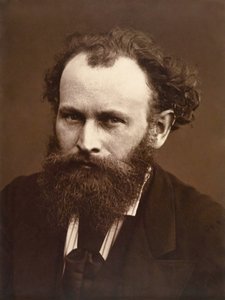
Edouard Manet
1832 - 1883 , Fransa
Kısa Bilgiler
- Artistic Movement Or Style: Gerçekçilik, İzlenimcilik
- Artists Or Movements Influenced By This Artist:
- Claude Monet
- Pierre-Auguste Renoir
- Edgar Degas
- İzlenimcilik
- Artists Who Influenced This Artist:
- Caravaggio
- Diego Velázquez
- Gustave Courbet
- Date Of Birth: 23 Ocak 1832
- Date Of Death: 1883
- Full Name: Édouard Manet
- Nationality: Fransız
- Notable Artworks:
- Le Déjeuner sur l'herbe
- Olympia
- A Bar at the Folies-Bergère
- Place Of Birth: Paris, Fransa
İlgili Yazılar

Impressionism's Masterpieces: 10 Paintings That Defined a Movement | AllPaintingsStore
Journey through Impressionism's heart with 10 iconic paintings by Monet, Renoir & Degas. Explore light, color & the stories behind these masterpieces. Find museum-quality art reproductions and elevate your home decor on AllPaintingsStore.com.
İzlenimciliğin Zirvesi: Sanat Tarihini Şekillendiren 10 Başyapıt
İzlenimciliğin en etkileyici 10 başyapıtını keşfedin! Monet, Renoir ve Degas gibi ustaların eserleriyle sanat tarihine ışık tutun. Evinizi AllPaintingsStore'ın benzersiz duvar sanatı koleksiyonuyla güzelleştirin. Sanat satın al & dekore edin! AllPaintingsStore.com
Édouard Manet'nin En İyi 25 Eseri: Sanat Tarihine Yolculuk | AllPaintingsStore
Édouard Manet'nin en iyi 25 eserini keşfedin! Le Déjeuner sur l'herbe, Olympia ve daha fazlası... Sanat tarihi, teknikler ve ilham verici hikayeler AllPaintingsStore'ta. Ev dekorasyonunuz için yüksek kaliteli sanat baskıları şimdi online!
Boats on Canvas: 10 Masterpieces of Maritime Art for Your Home Decor
Sail away with 10 iconic boat paintings! Explore masterpieces by Monet, Van Gogh & Turner. Discover the stories behind these timeless seascapes and find museum-quality art reproductions for your home decor at AllPaintingsStore.com.

İzlenimci Sanatın 10 Başyapıtı: Evlerinize Tarihi Getirin | AllPaintingsStore
Monet, Renoir ve Degas gibi izlenimci sanatçıların ölümsüz eserlerini keşfedin! 19. yüzyılın renkli dünyasına yolculuk yapın, teknikleri öğrenin ve evinizi AllPaintingsStore'ta museum kalitesinde tablolarla süsleyin. Koleksiyonu şimdi keşfedin!


