


 Önizle
 Gönder
 Paylaş
 Detaylar
 Rehber

 Dosyayı İndir
 Benzerleri
 X-Işını
 Slayt Gösterisi
 İstatistikler
Raven Head


 Devamını Oku
Giclée / Sanat Baskısı
Hızlı üretim ve esnek bitiş seçenekleriyle müze kalitesinde giclée veya kanvas baskı. ( El Yapımı Tablo Satın Al Dijital Görsel Satışına Geç)




P118B ₺10

P118H ₺10

P118W ₺10

P438Z ₺10

P508JH ₺12

P508YH ₺12

P805H ₺10

P805Z ₺10

P919BZ ₺10

P919G ₺10

P919XJ ₺10

P959ZH ₺10

P968JZ ₺12

W106C ₺8

W218G ₺10

W218JH ₺8

W218Y ₺10

W307PJ ₺10

W316G ₺10

W316PJ ₺8

W316Y ₺10

W398PJ ₺8

W4111J ₺10

W500HY ₺15

W500JH ₺15

W692G ₺12

W849H ₺8

W940BG ₺15

W953PJ ₺8




Eserin orijinal oranlarıyla uyumlu, önceden belirlenmiş boyutlarımız arasından seçim yapın.

Çerçevenize veya duvarınıza uygun olması için ihtiyacınız olan genişlik ve yüksekliği yazın. Bir baskı yalnızca kesilebilir, görselden daha büyük hale getirilemez; bu nedenle farklı bir formdaki boyut seçimi, görselin bir kısmının kaybına neden olur. Herhangi bir baskı yapmadan önce onaylamanız için size bir dijital taslak gönderiyoruz. Bu sayfada gösterilen resim gerçek kesimi göstermez — bunu yalnızca taslak gösterir.
Dünya Çapında Teslimat (); standart 4/5 hafta yerine 2 haftada. (26 Ekim)

Dünya Çapında Ücretsiz Ekspres Kargo

Yüksek Kaliteli Keten Tuval

Tam Nakliye Sigortası

Gümrük Vergisi İadesi Garantisi

Gerçek Renk Uyumu Garantisi

100 Günlük İade Koşulları (Sadece Üretim Hatalı Ürünler İçin)

%100 Para İade Garantisi

Toplu Alım Avantajı
 Cam seçeneği yalnızca 110 cm altındaki boyutlar için mevcuttur.

Raven Head
Giclée / Sanat Baskısı
Baskı Boyutu
-


Toplam Fiyat
₺ 3133
A Parisian Rebel: The Life and Art of Édouard Manet
Édouard Manet’s journey from privileged upbringing to celebrated artist wasn't one of predetermined destiny but rather a defiant assertion of artistic vision against the constraints of Victorian society. Born in 1832 amidst the gilded halls of Paris, his father, Auguste Manet, was a respected judge—a position embodying stability and adherence to established norms—and envisioned for Édouard a future steeped in respectable professions like law or naval service. Yet, from early childhood, Manet possessed an unwavering passion for art, fueling clandestine explorations into artistic realms beyond the confines of his family’s expectations. This inherent inclination manifested itself at eleven when he commenced formal drawing lessons, marking the beginning of his artistic education—though briefly apprenticed to Thomas Couture, Manet swiftly recognized Couture's academic rigidity as antithetical to his creative spirit. This formative resistance served as a prelude to a lifelong crusade against artistic conventions. Unlike many of his contemporaries who sought to emulate the grandeur of the Old Masters, Manet relentlessly pursued a path distinct from tradition—one driven by an urgent desire to capture the pulse of modern Parisian life. He frequented the Louvre not merely for passive observation but for meticulous dissection, absorbing techniques pioneered by masters like Caravaggio and Velázquez – artists who understood how manipulating light and shadow could transform form and imbue paintings with profound emotional resonance. Manet’s fascination extended beyond mere stylistic imitation; he sought to unravel the underlying mechanisms of artistic expression, questioning accepted dogma and championing innovation. Manet's groundbreaking style—Realist-Impressionism—represented a radical departure from prevailing artistic trends. He eschewed idealized representations of beauty, opting instead for unflinching portrayals of everyday subjects – laborers, prostitutes, urban landscapes – rendered with loose brushstrokes and vibrant color palettes characteristic of Impressionism. This stylistic choice wasn’t simply aesthetic preference; it was a deliberate act of rebellion against academic formalism, which demanded meticulous detail and adherence to idealized forms. His canvases pulsed with immediacy—capturing fleeting moments of experience rather than striving for permanence or polished perfection. Consider “Olympia,” his controversial debut painting in 1863 – a nude reclining woman receiving money from a male physician. The unflinching gaze of Olympia challenged Victorian sensibilities regarding female sexuality and artistic nudity, sparking heated debate within the Parisian art world. The symbolism embedded within Manet’s oeuvre speaks volumes about his intellectual engagement with philosophical currents of his time. Influenced by Nietzsche's critique of morality and Wagnerian mythology—artists who questioned religious dogma and embraced expressive individualism—Manet infused his paintings with references to classical myths and biblical narratives, albeit interpreted through a lens of modern sensibility. These symbols weren’t merely decorative embellishments; they functioned as conduits for conveying complex ideas about human existence, desire, and the relationship between art and reality. For instance, in “The Picnic,” Manet subtly juxtaposes figures from different social strata—aristocrats and laborers—creating a visual commentary on societal hierarchies and the elusive nature of truth. Ultimately, Manet’s artistic legacy transcends stylistic innovation; it resides in his profound ability to evoke emotion and provoke contemplation. His paintings compel viewers to confront uncomfortable truths about human behavior and societal injustices—demanding engagement beyond mere aesthetic appreciation. Like Caravaggio before him, Manet wielded light and shadow as instruments of psychological drama, manipulating tonal variations to heighten emotional intensity and create a palpable sense of atmosphere. Viewing “A Bar at the Folies-Bergère” transports us into the glittering heart of Belle Époque Paris—a space brimming with sensual allure and social ambition—where Manet captures not just visual spectacle but also the intangible essence of human experience. His work continues to inspire artists and captivate audiences worldwide, cementing his place as one of the most influential figures in modern art history.Soru ve Cevaplar
"Raven Head" eserini kaç kişi görüntülüyor?
"Raven Head" için bir İstatistikler sayfası mevcuttur. Bu sayfa; eserin ve sanatçının diğer çalışmalarının aylık ziyaret sayılarını, ülke ve dil kırılımlarıyla birlikte grafiklerle sunar.
Edouard Manet imzalı "Raven Head" eserinin renkleri canlı mı yoksa mat mı?
Edouard Manet imzalı "Raven Head", Subtle Color doygunlukta ve Balanced yoğunlukta kaydedilmiştir.
Edouard Manet imzalı "Raven Head" eserini odamda görmek için artırılmış gerçekliği kullanabilir miyim?
"Raven Head" için bir artırılmış gerçeklik önizlemesi mevcut: eserin AR Önizleme sayfası, uyumlu bir cihazda eseri kendi alanınızda görmenizi sağlar.
İlgili Eserler


Sanatçı Biyografisi
Paris'in Asi Ruhu: Édouard Manet’nin Hayatı ve Sanatı
Édouard Manet, 1832 yılında Paris’te, rahat bir burjuva aileye doğmuştu; kaderi, sanattaki devrimci bir figür olmaya pek de uygun görünmüyordu. Babası, saygın bir yargıç olarak oğlunun hukuk alanında veya belki deniz kuvvetlerinde güvenli bir gelecek kurmasını hayal ediyordu – toplumsal statülerini yansıtan saygın meslekler. Ancak, genç yaşlarından itibaren Manet’nin kalbi sanata aitti. On bir yaşında resim derslerine başladı ve kısa süre sonra akademik ressam Thomas Couture'un katı yöntemlerini boğucu buldu. Bu erken dönemdeki direniş, sanat normlarını sorgulamaya adadığı bir ömrün habercisiydi. Manet, geçmişi basitçe kopyalamakla ilgilenmiyordu; modern Paris yaşamının canlılığını – ve bazen de rahatsız edici gerçeklerini – yakalamayı amaçlıyordu. Louvre’u sık ziyaret ederdi, sadece eski ustaları taklit etmek için değil, aynı zamanda tekniklerini inceleyerek ışık ve gölgenin formu nasıl şekillendirdiğini ve duygu uyandırdığını Caravaggio ve Velázquez gibi sanatçılardan öğrenirdi. Ancak, Gustave Courbet tarafından savunulan Realizm akımının yükselişiyle birlikte sanatsal değişimler Manet’nin yaratıcı yolunu ateşledi. Courbet'nin idealizasyondan uzak, gündelik yaşamı tasvir etme konusundaki ısrarı, Manet üzerinde derin bir etki yarattı ve onu tarihi veya mitolojik konulardan kurtardı.Gelenekle Hesaplaşma: Skandal ve Yenilik
1860’lar, Paris'te yoğun bir sanatsal hareketliliğin yaşandığı bir dönemdi ve Manet kendini bu sürecin merkezinde buldu. Japon baskılarının – *ukiyo-e* – gelişi estetik anlayışını derinden etkiledi. Düzleştirilmiş perspektifleri, cesur kompozisyonları ve çarpıcı renk kullanımıyla büyülenmişti; bunlar da kendi tarzının alametifarikası haline gelecekti. Bu etkiyle birleşen akademik cilalanmaya yönelik artan reddi, Paris sanat dünyasını şok eden ve skandal yaratan eserlere yol açtı. 1863’te Salon des Refusés'de sergilenen Le Déjeuner sur l'herbe (Çimlerde Öğle Yemeği), bir tartışma yaratıcı oldu – resmi Salona reddedilen eserler için düzenlenen bir sergi. Çıplak bir kadının iki giyimli adamla birlikte piknik yaptığı bu tablo sadece çıplaklık hakkında değildi; o çıplaklığın *nasıl* sunulduğuyla ilgiliydi. Manet’nin figürleri, geleneksel nakitlerdeki idealize edilmiş formlardan ve mitolojik bağlamdan yoksundu. Kesinlikle modernlerdi ve izleyiciyi rahatsız edici bir doğrudanlıkla yüzleştiriyorlardı. Le Déjeuner etrafındaki skandal, 1865’teki başyapıtı Olympia ile daha da yoğunlaştı. Titian'ın *Urbino Venüsü*'nün bilinçli bir yeniden yorumlaması olan bu tablo, izleyiciye cesurca bakan çağdaş bir fahişe tasvir ediyordu. Acımasız gerçekçilik ve kışkırtıcı konu, geniş çapta hoşnutsuzluğa yol açtı. Eleştirmenler Manet'yi kabalıkla ve sanatsal yetersizlikle suçladı, ancak öfkenin altında, resim dilini temelden değiştirdiği gerçeği yatıyordu.İzlenimciliğe Bir Köprü: Işık, Fırça Dokusu ve Modern Yaşam
Manet tam olarak "İzlenimci" etiketini benimsemese de, hareket üzerindeki etkisi yadsınamazdı. Akademik normlara yönelik reddedilmelerini ve ışığın ve atmosferin geçici etkilerini yakalama konusundaki bağlılıklarını paylaştılar. Monet, Renoir, Degas ve diğerleriyle birlikte bağımsız İzlenimci sergilerde yer alarak öncüdeki konumunu pekiştirdi. Manet’nin tekniği, kesin ayrıntıdan ziyade formun izlenmesini önceliklendiren daha gevşek bir fırça dokusuna doğru gelişti. Çarpıcı etkiler yaratmak için genellikle canlı kontrastlar kullanarak renklerle denemeler yaptı. Skandal yaratan nakitlerin ötesinde, Manet geniş bir konu yelpazesini keşfetti: karısı Suzanne ve sanatçı arkadaşı Émile Zola'nın çarpıcı tasvirleri de dahil olmak üzere portreler; Folies-Bergère’deki gece hayatının sahneleri gibi – modern kentsel yaşamın yabancılaşmasını ve gösterişini ustaca yakalayan A Bar at the Folies-Bergère; ve özel ev içi sahneler. Bu konuları sadece belgelemekle kalmıyordu, aynı zamanda onları sorguluyor, toplumsal normlara meydan okuyordu ve güzellik konusundaki geleneksel fikirleri sorguluyordu.Mirası ve Kalıcı Etkisi
Édouard Manet’nin 1883'teki erken ölümü – verem hastalığından – sanat tarihinin seyrini zaten geri dönüşü olmayan bir şekilde değiştirmiş bir kariyeri kesintiye uğrattı. Ölümünden sonra itibarı önemli ölçüde arttı, ancak etkisi genç sanatçılar tarafından derhal hissedildi; onlar onu geleneksel konular, teknikler ve sanatsal amaçlarla ilgili engelleri yıkan bir kurtarıcı olarak gördüler. Sanatın geçişinde köklü bir figür olarak kabul edilirken, Manet’nin mirası bugün de devam ediyor. Eserleri sadece estetik güzellikleriyle değil, aynı zamanda zamanımızın karmaşıklıkları ve çelişkileriyle birlikte dünyayı gördüğü gibi resmetme konusundaki sarsılmaz bağlılığıyla da yankı uyandırıyor. Çalışmaları, sanatın gerçek yeniliği genellikle yerleşmiş normlara meydan okumak ve zamanımızın rahatsız edici gerçeklerini kucaklamak pahasına geldiğinin güçlü bir hatırlatıcısı olarak hizmet ediyor.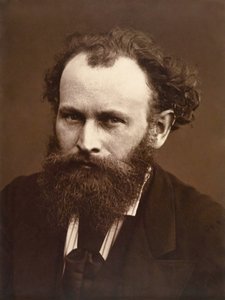
Edouard Manet
1832 - 1883 , Fransa
Kısa Bilgiler
- Artistic Movement Or Style: Gerçekçilik, İzlenimcilik
- Artists Or Movements Influenced By This Artist:
- Claude Monet
- Pierre-Auguste Renoir
- Edgar Degas
- İzlenimcilik
- Artists Who Influenced This Artist:
- Caravaggio
- Diego Velázquez
- Gustave Courbet
- Date Of Birth: 23 Ocak 1832
- Date Of Death: 1883
- Full Name: Édouard Manet
- Nationality: Fransız
- Notable Artworks:
- Le Déjeuner sur l'herbe
- Olympia
- A Bar at the Folies-Bergère
- Place Of Birth: Paris, Fransa
İlgili Yazılar
Édouard Manet'nin En İyi 25 Eseri: Sanat Tarihine Yolculuk | AllPaintingsStore
Édouard Manet'nin en iyi 25 eserini keşfedin! Le Déjeuner sur l'herbe, Olympia ve daha fazlası... Sanat tarihi, teknikler ve ilham verici hikayeler AllPaintingsStore'ta. Ev dekorasyonunuz için yüksek kaliteli sanat baskıları şimdi online!

Monochrome Visions: Exploring the Aesthetic & Historical Significance of Black & White Photography
Explore the rich history & artistic power of black and white photography. From early techniques to iconic masters like Ansel Adams, discover why monochrome continues to captivate art lovers today. Expert insights for collectors.

White on Canvas: 10 Masterpieces & Timeless Elegance for Your Home Decor
Explore 10 iconic white paintings by Monet, Whistler & Rothko! Discover the stories behind these serene masterpieces and their impact on art history. Find museum-quality reproductions for your home decor at .

Giclée Prints: Archival Quality & Aesthetic Nuances for the Discerning Collector
Explore the world of giclée prints with AllPaintingsStore. Learn about archival quality, aesthetic nuances & investment potential. Expert guidance for discerning art collectors seeking museum-quality reproductions and lasting value.

Dark Masterpieces: 10 Iconic Paintings Dominated by Black Tones |
Explore 10 iconic paintings dominated by black tones, from Rembrandt’s chiaroscuro to Goya's dark expressions. Discover the stories behind these masterpieces & find museum-quality art reproductions for your home at .


