Önizle
 Gönder
 Paylaş
 Detaylar
 Rehber

 Dosyayı İndir
 Benzerleri
 X-Işını
 Slayt Gösterisi
 İstatistikler
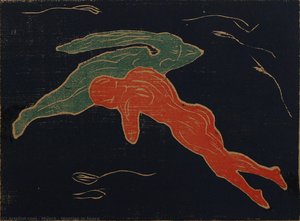
Nude
 Tuval Üzerine Yağlı Boya
- Duvar Sanatı
- Expressionism
 1896
1896- 19. Yüzyıl
 65.0 x 50.0 cm
 Rasmus Meyer Koleksiyonu
 Devamını Oku
Giclée / Sanat Baskısı
Hızlı üretim ve esnek bitiş seçenekleriyle müze kalitesinde giclée veya kanvas baskı. ( El Yapımı Tablo Satın Al Dijital Görsel Satışına Geç)




P118B ₺10

P118H ₺10

P118W ₺10

P438Z ₺10

P508JH ₺12

P508YH ₺12

P805H ₺10

P805Z ₺10

P919BZ ₺10

P919G ₺10

P919XJ ₺10

P959ZH ₺10

P968JZ ₺12

W106C ₺8

W218G ₺10

W218JH ₺8

W218Y ₺10

W307PJ ₺10

W316G ₺10

W316PJ ₺8

W316Y ₺10

W398PJ ₺8

W4111J ₺10

W500HY ₺15

W500JH ₺15

W692G ₺12

W849H ₺8

W940BG ₺15

W953PJ ₺8




Eserin orijinal oranlarıyla uyumlu, önceden belirlenmiş boyutlarımız arasından seçim yapın.

Çerçevenize veya duvarınıza uygun olması için ihtiyacınız olan genişlik ve yüksekliği yazın. Bir baskı yalnızca kesilebilir, görselden daha büyük hale getirilemez; bu nedenle farklı bir formdaki boyut seçimi, görselin bir kısmının kaybına neden olur. Herhangi bir baskı yapmadan önce onaylamanız için size bir dijital taslak gönderiyoruz. Bu sayfada gösterilen resim gerçek kesimi göstermez — bunu yalnızca taslak gösterir.
Dünya Çapında Teslimat (); standart 4/5 hafta yerine 2 haftada. (23 Ekim)

Dünya Çapında Ücretsiz Ekspres Kargo

Yüksek Kaliteli Keten Tuval

Tam Nakliye Sigortası

Gümrük Vergisi İadesi Garantisi

Gerçek Renk Uyumu Garantisi

100 Günlük İade Koşulları (Sadece Üretim Hatalı Ürünler İçin)

%100 Para İade Garantisi

Toplu Alım Avantajı
 Cam seçeneği yalnızca 110 cm altındaki boyutlar için mevcuttur.

Nude
Giclée / Sanat Baskısı
Baskı Boyutu
-


Toplam Fiyat
₺ 3129
The Weight of Silence: Edvard Munch’s “Nude”
Edvard Munch's "Nude," painted in 1896 during his formative years in Paris, isn’t merely a depiction of a woman seated on a bench; it’s a profound exploration of the human psyche grappling with anxiety, isolation, and the unsettling beauty of vulnerability. Created amidst a period of intense personal turmoil for Munch – marked by illness, loss, and a burgeoning awareness of his own mental fragility – this work stands as a cornerstone of Expressionism, capturing not just an image but a raw emotional state. The painting’s power resides in its deliberate ambiguity, inviting viewers to project their own anxieties onto the figure's enigmatic posture and the ominous backdrop.
The composition itself is strikingly simple yet deeply resonant. A woman sits on a weathered wooden bench, her back turned towards us, creating an immediate sense of distance and privacy. She wears a flowing dress, glimpsed only in the lower portion of the canvas – a deliberate choice that emphasizes her detachment from the viewer and suggests a world beyond our comprehension. Her hair is pulled back into a neat bun, a small detail that subtly contrasts with the overall feeling of unrest. Most arresting, however, is the vibrant red background, an audacious splash of color that dominates the scene. This isn’t a comforting sunset; it's a pulsating, almost violent hue, hinting at suppressed emotions and impending doom – a visual representation of the internal struggles Munch was so acutely aware of.
A Symphony of Color and Brushstroke
Munch’s technique in “Nude” is characterized by an unrestrained use of color and expressive brushstrokes, hallmarks of his Expressionist style. He eschews meticulous detail in favor of conveying feeling through the manipulation of pigment and texture. The red background isn't blended smoothly; instead, it’s applied with thick, agitated strokes, creating a sense of movement and instability. Similarly, the woman’s dress is rendered with loose, swirling brushstrokes, suggesting both vulnerability and a certain defiant grace. Munch employed oil paints on wood, allowing for rich color saturation and textural depth – qualities that amplify the painting's emotional intensity.
The use of color itself is crucial to understanding the work’s meaning. Red, often associated with passion, danger, and violence, dominates the scene, creating a palpable sense of unease. The subtle variations in tone within the red—from deep crimson to lighter shades—suggest a complex emotional landscape, hinting at both desire and dread. The limited palette – primarily red punctuated by touches of muted earth tones – contributes to the painting’s claustrophobic atmosphere, trapping the viewer within the woman's internal world.
Echoes of “The Frieze of Life” and a Personal Journey
"Nude" is inextricably linked to Munch’s broader artistic project, "The Frieze of Life," a series of paintings exploring themes of love, anxiety, jealousy, and betrayal. This series reflects Munch's own tumultuous personal life, marked by loss, illness, and the looming threat of mental instability. The woman in “Nude” can be interpreted as an embodiment of these anxieties – a figure caught between desire and despair, vulnerability and strength.
Munch’s artistic development during this period was profoundly influenced by his time in Paris, where he encountered the works of Paul Gauguin, Vincent van Gogh, and Henri de Toulouse-Lautrec. These artists encouraged him to embrace bold colors, expressive brushstrokes, and a subjective approach to depicting reality. The influence of these masters is evident in “Nude,” particularly in its vibrant color palette and emotionally charged atmosphere – though Munch ultimately forged his own unique style, rooted in his deeply personal experiences.
A Legacy of Anguish and Innovation
“Nude” stands as a pivotal work in the history of art, solidifying Edvard Munch’s position as a pioneer of Expressionism. It's a hauntingly beautiful depiction of human vulnerability, capturing the raw emotions that lie beneath the surface of everyday life. While often associated with darkness and despair, the painting also possesses a strange allure – a testament to the power of art to confront difficult truths and explore the complexities of the human condition.
Beyond its artistic significance, “Nude” continues to resonate deeply with viewers today, serving as a potent symbol of modern angst and the enduring struggle to find meaning in a chaotic world. For those seeking a deeper understanding of Munch’s work or desiring a high-quality reproduction of this iconic painting, Edvard Munch: Nude is available on AllPaintingsStore.com, offering detailed insights and stunning visual reproductions.
To explore more of Munch’s oeuvre and the broader context of Expressionism, we encourage you to visit Edvard Munch on Wikipedia and explore related works such as Paula Modersohn-Becker and Ernst Ludwig Kirchner.
Soru ve Cevaplar
"Nude" eseri yaratıldığında Edvard Munch kaç yaşındaydı?
Edvard Munch, 1896 yılında "Nude" eserini oluşturduğunda 33 yaşındaydı. Bu yaş, sanatçının 1863 olan doğum yılından hesaplanmıştır.
"Nude" ne zaman yapıldı?
Edvard Munch imzalı "Nude", 1896 yılında yaratılmıştır.
Edvard Munch imzalı "Nude" eserindeki kontrast ne kadar güçlü?
"Nude" eserinin açık-koyu kontrastı Açıklama olarak kaydedilmiştir. Kontrast, açık ve koyu alanların birbirinden ne kadar güçlü bir şekilde ayrıldığını tanımlar.
İlgili Eserler


Sanatçı Biyografisi
Gölgelerin İçindeki Yaşam: Edvard Munch'un Dünyası
Edvard Munch, 1863’te Norveç’in sert manzaraları arasında doğmuş bir sanatçıydı ve eserleri modern çağın kaygılarıyla ve duygusal çalkantısıyla özdeşleşti. Hayatı, kayıplarla ve derin bir melankoli hissiyle derinden izlenmiş, onun derinlemesine etkileyici sanatının kaynağı oldu. Annesi ve kız kardeşinin tüberkülozdan dolayı erken yaşta ölümüyle gölgelenen çocukluğu, Munch’un ölümcüllük, hastalık ve insan varoluşunun kırılganlığıyla ilgili rahatsız edici bir takıntısı geliştirmesine yol açtı. Babasının katı dini inançları ve kendi zihinsel sağlık sorunlarıyla mücadelesi de Munch'un dünyasını sarmış olan dehşet hissine katkıda bulunarak hem kişisel hayatını hem de resimlerinin sembolik dilini şekillendirdi. Munch sadece sahneleri betimliyor değildi; içsel bir durumu dışa vuruyor, psikolojik sıkıntıyı görsel forma çeviriyordu.İfadeye Doğru: Etkiler ve Sanatsal Gelişim
Munch’un sanatsal yolculuğu, Kristiania (Oslo) şehrindeki Kraliyet Sanat ve Tasarım Okulu'ndaki resmi eğitimle başladı ancak Hans Jæger’in bohem çevrelerle ve nihilist felsefesiyle karşılaşması yaratıcılığını gerçekten ateşledi. Jæger, Munch’u geleneksel akademik stillerden vazgeçirmesini ve bunun yerine kendi öznel deneyimlerinin derinliklerine dalmasını teşvik etti; bu kavramı “ruh resmi” olarak adlandırdı. Bu dönüm noktası, Munch'un kendine özgü tarzının başlangıcını işaret etti – ham duygu, çarpık formlar ve doğalcı temsili reddetme ile karakterize edilen bir stil. 1890’larda Paris’e yaptığı seyahatler onu yükselen Post-İmpresyonist hareketle tanıştırdı; burada Paul Gauguin, Vincent van Gogh ve Henri de Toulouse-Lautrec gibi sanatçılardan etkilenerek renklerin cesur kullanımı, ifade edici fırça darbeleri ve psikolojik yoğunluk gibi unsurları özümsedi. Bu ustaların etkisiyle Munch’un kendi sanatsal eğilimleri derinlemesine yankı buldu. O sadece tekniklerini taklit etmiyor; onu kendi benzersiz bir diline – en derin ve rahatsız edici insan duygularını iletme kapasitesine sahip bir dile dönüştürüyordu. Berlin'deki zamanı da hayati önem taşıdı, August Strindberg gibi oyun yazarlarla tanışmasını sağlayarak Munch’un sanatsal araştırmalarını daha da körükledi.İkonik Vizyonlar: Başlıca Eserler ve Sembolik Ağırlıkları
Munch'un yapıtı, kolektif bilinçte derin izlenim bırakan görüntülerle dolu. Belki de en ikonik eseri olan Çığlık, bir resmin ötesine geçerek varoluşsal kaygının evrensel bir sembolü haline geldi. Dönen, ateşli manzara ve figürün bükülmüş yüzü, evrenin ilgisizliğine karşı ilkel bir çığlığı somutlaştırıyor. Madonna, tartışmalı ve derinlemesine kişisel bir eser, cinsellik, annelik ve ölüm temalarını rahatsız edici bir dürüstlükle araştırıyor. Kardeşi Sophie'nin kaybından esinlenen tekrar eden motifler olan Hasta Çocuk, Munch’un çocukluk travmasına ve ölümün her zaman var olan gölgesine dokunaklı hatırlatıcılar sunuyor. Derin keder ve izolasyon tasvirleri olan Melankoli I & II, hem derinlemesine kişisel hem de evrensel olarak ilişkilendirilebilir bir kırılganlığı ortaya koyuyor. Bu eserler sadece dış gerçekliğin temsilleri değil; sanatçının ruhuna açılan pencerelerdir ve izleyicilere insan zihninin en karanlık köşelerine acımasızca bir bakış sunar. Munch güzel görüntüler yaratmayı amaçlamadı; acı verici olsa bile gerçeği iletmek istedi.Süregelen Miras: Tarihsel Önem ve Kalıcı Etki
Edvard Munch’un modern sanata katkısı ölçülemez. İfadeciliğin gelişiminde kilit bir figür olarak, öznel duygunun nesnel temsilden daha öncelikli olduğu sanatçıların yolunu açtı. Aşk, kayıp, kaygı ve ölüm gibi evrensel insan deneyimlerinin sarsılmaz keşfi, günümüzde de izleyicilerle yankı uyandırmaya devam ederek onu sanat tarihinin en etkileyici ve kalıcı figürlerinden biri olarak pekiştiriyor. Eserleri, Alman İfadeciliği de dahil olmak üzere sonraki nesillerden sanatçıları derinden etkilemiş ve ötesinde bir etki yaratmıştır. Geleneksel güzellik kavramlarını ve sanatsal temsili zorlayarak insan durumunun daha karanlık yönleriyle yüzleşmeye cesaret etti. Oslo'daki Munch Müzesinin kurulmasıyla sonuçlanan ün ve tanınma elde etmesine rağmen, kişisel hayatı zihinsel istikrarsızlık ve izolasyon dönemleriyle işaretlenmiş bir şekilde çalkantılı kaldı. Ancak tüm bunlara rağmen yaratmaya devam ederek, izleyicileri provoke eden, zorlayan ve ilham veren bir eser bıraktı. Munch’un mirası sadece resimlerden ibaret değil; insan varoluşunun karmaşıklıklarına yüzleşme cesareti ve bu deneyimleri ruhumuzun en derin kısımlarına hitap eden sanata dönüştürme cesaretinden kaynaklanıyor.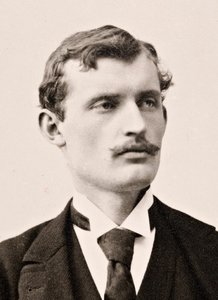
Edvard Munch
1863 - 1944 , İsveç
Kısa Bilgiler
- Artistic Movement Or Style: Dışavurumculuk
- Artists Or Movements Influenced By This Artist: ['Alman Dışavurumculuğu']
- Artists Who Influenced This Artist:
- Paul Gauguin
- Van Gogh
- Toulouse-Lautrec
- Date Of Birth: 12 Aralık 1863
- Date Of Death: 23 Ocak 1944
- Full Name: Edvard Munch
- Nationality: Norveçli
- Notable Artworks:
- Çığlık
- Madonna
- Hasta Çocuk
- Melankoli I & II
- Place Of Birth: Adelsbruk, İsveç
İlgili Yazılar

Crimson Threads of Narrative: Exploring Symbolism & Representation in Artworks Featuring the Red Dress
Explore the rich symbolism of the red dress in art history! From ancient power displays to iconic portraits like Cézanne’s 'Madame Cezanne', discover the cultural and artistic significance behind this captivating color. Expert analysis & insights.

Edvard Munch: Anxiety, Modernity & the Dawn of Expressionism
Explore the profound world of Edvard Munch, pioneer of Expressionism. Discover the origins of 'The Scream' & his haunting depictions of anxiety, mortality, and love. Expert analysis & high-quality reproductions at AllPaintingsStore.

Duygu Voltanıyla Sanatı Yeniden Tanımlayan 10 Empresyonist Başyapıt
İfadeciliğin zirvesi! Van Gogh, Munch ve daha fazlasıyla 10 başyapıtı keşfedin. Sanatın duygusal gücünü deneyimleyin ve evinizi AllPaintingsStore'tan kaliteli sanat baskılarıyla dönüştürün. Keşfetmek için tıklayın!

Mark Rothko'nun En İyi 25 Eseri: Soyut Ekspresyonizmin Derinliği ve Ev Dekorasyonunda Sanat
Mark Rothko'nun en iyi 25 eserini keşfedin! Soyut ekspresyonizmin duygusal derinliğine yolculuk edin, renklerin anlamını ve sanatın gücünü anlayın. Ev dekorasyonunuz için ilham alın ve AllPaintingsStore.com'da benzersiz tabloları bulun.

Edvard Munch'ın En İyi 25 Eseri: Duygusal Derinlik ve Sanat Mirası | AllPaintingsStore
Edvard Munch'ın en ikonik 25 eserini keşfedin! Çığlık, Melankoli ve daha fazlası... Ekspresyonizm sanatının duygusal derinliğini AllPaintingsStore ile evinize taşıyın. Yüksek kaliteli sanat baskıları ve dekorasyon fikirleri için tıklayın.