

Acrylic On Canvas.

§ 1Catalogue data

Bu Eser Telif Hakkı Koruması Altındadır
Bu sayfada sergilenen eser telif hakkı yasasıyla korunmaktadır; bu da yasal olarak eserin birebir kopyasını oluşturamayacağımız veya satamayacağımız anlamına gelir. Bu koruma, aşağıdakiler gibi uluslararası anlaşmalar kapsamında uygulanmaktadır: Bern Sözleşmesi ve aşağıdakiler de dahil olmak üzere ulusal yasalarca belirlenen ABD Telif Hakkı Kanunu - 17. Başlık.
Saygılı ve yasal bir alternatif olarak, orijinalinden ilham alan, kişiye özel, el boyaması sanat eserleri sunuyoruz. Deneyimli ve profesyonel sanatçılarımız, aynı duyguyu uyandıran yeni ve benzersiz bir eser yaratmak için orijinalin stilini, ruhunu ve sanatsal özünü titizlikle inceler; üstelik bu eser, kendi başına özgün bir üretim olarak kalır.
Bu yöntem, koruma altındaki sanat eserinin kopyalanmasını veya çoğaltılmasını içermediği için telif hakkı düzenlemelerine tam uyum sağlar. Bunun yerine, yaratıcı bir yeniden yorumlamadır; orijinalinden etkilenen ancak onunla aynı olmayan yeni bir tablodur.
 Devamını oku
§ 2Abstract
Koleksiyon Açıklaması
Nighthawks, completed in 1942, depicts four figures in a Greenwich Village diner illuminated by stark light—a poignant portrayal of urban isolation and Hopper’s signature realism. Inspired by Hemingway's stories and Jo Hopper’s detailed notes, this painting exemplifies American Realism.
Sanatçı Özgeçmişi
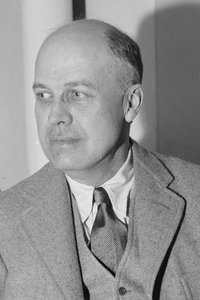
Edward Hopper: Amerikan gerçeküstücülüğünün ruhunu yakalayan ışık ve gölge oyunlarıyla unutulmaz eserleriyle tanınan bir sanatçı. Ünlü tabloları arasında Nighthawks ve Monhegan Evleri yer alır.
§ 3Commentary
untitled (1548): A Portrait of Urban Isolation
Edward Hopper’s “untitled (1548)” – often referred to as “Nighthawks” – remains one of the most iconic images of American modernism. Completed in 1942, amidst the anxieties of World War II and the burgeoning disillusionment of postwar America, this painting transcends mere depiction; it embodies a profound exploration of solitude, unspoken tension, and the pervasive feeling of disconnection that characterizes urban life.
- Composition & Setting: The canvas presents a meticulously crafted tableau within a diner—a commonplace American institution transformed into a stage for psychological drama. Hopper’s masterful use of horizontal lines establishes stability against the backdrop of a darkened street, while the large rectangular window punctuates the scene with an unsettling glimpse of the exterior world. Three figures occupy the counter, creating a triangular arrangement that subtly directs the viewer's gaze.
- Color Palette & Lighting: Hopper’s subdued color palette—dominated by earthy tones and muted blues—contrasts sharply with the incandescent glow emanating from the diner interior. The warm red of the woman’s dress serves as an emotional focal point, juxtaposed against the cool blues and greens of the surrounding environment. Dramatic directional lighting casts long shadows that emphasize the figures' isolation and heighten the painting’s melancholic atmosphere.
- Style & Technique: Hopper’s distinctive style is characterized by realism tempered with stylistic precision. Smooth brushstrokes convey a sense of clarity and detail, capturing the textures of surfaces—the worn wood of the counter, the polished chrome of the fixtures—with remarkable accuracy. This meticulous technique contributes to an overall feeling of stillness and observation.
- Symbolism & Emotional Impact: “Nighthawks” operates on multiple levels of symbolic interpretation. The figures’ averted gazes suggest a profound lack of connection, mirroring the anxieties of modern existence. Hopper's deliberate omission of narrative detail invites viewers to contemplate themes of loneliness, alienation, and the unspoken dramas unfolding within seemingly ordinary spaces. It speaks to the human condition—the yearning for companionship amidst the vastness of urban solitude.
- Historical Context: Painted during a period marked by significant social upheaval, “Nighthawks” reflects the anxieties of wartime America and captures the pervasive sense of uncertainty that permeated the postwar era. Hopper’s depiction of American life aligns with the broader artistic movement of Realism, prioritizing psychological insight over sentimental representation.
More than just a visual record of a diner at night, “untitled (1548)” is a timeless meditation on human experience—a poignant reminder that even in crowded cities, individuals can exist in profound isolation. Its enduring appeal lies in Hopper’s ability to distill complex emotions into deceptively simple forms, cementing its place as one of the most influential paintings of the 20th century.
Soru ve Cevaplar
"untitled (1548)" eserinde teknik ve üslup nasıl birleşiyor?
"untitled (1548)" adlı eserde, Acrylic On Canvas tekniği Contemporary Realism akımıyla buluşuyor.
Edward Hopper imzalı "untitled (1548)" ne düzeyde bir kontrasta sahip?
"untitled (1548)" eserinin açık-koyu kontrastı Statement olarak kaydedilmiştir. Kontrast, açık ve koyu alanların birbirinden ne kadar güçlü bir şekilde ayrıldığını tanımlar.
"untitled (1548)" eserini kim yarattı ve hangi tarzda?
"untitled (1548)", Edward Hopper tarafından Contemporary Realism üslubunda yaratılmıştır. Sanatçı ve akım, eserin ait olduğu geleneği tanımlar.


 Baskı Satışına Geç


 Herhangi bir kenarı 105 cm'den (yaklaşık 41 inç) büyük olan sanat eserleri veya reprodüksiyonlar için çerçeve, demonte edilmiş bir kit halinde gönderilecektir. Bu yöntem, güvenli teslimat sağlar ve taşıma sırasında oluşabilecek hasarları önler.


