Para İadesi Garantisi · 100 gün Dünya Çapında Ücretsiz Teslimat
449.564sanat eserleri 30.613sanatçılar 4.660müzeler 32Dil Seçenekleri
Katalog kaydı

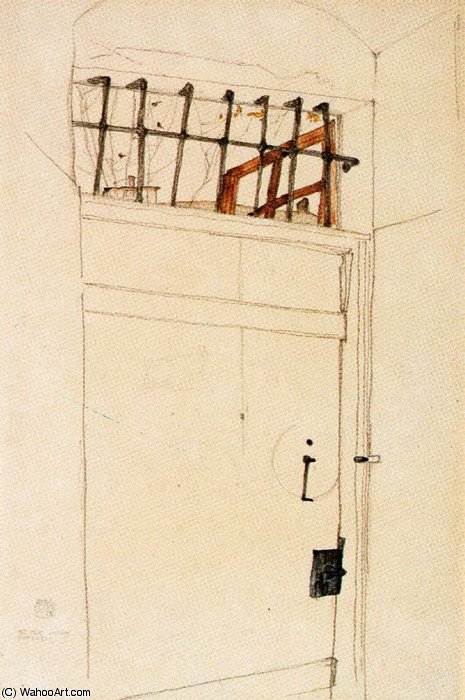
untitled (6087)

Acrylic On Canvas.

Şekil 1. Egon Şiele, untitled (6087). Belirttiğiniz reprodüksiyon olarak gösterilmektedir: , .

§ 1Katalog verileri

§ 2Soyut

Eser Açıklaması

Sanatçı Biyografisi

Egon Schiele’nin eserlerinde ölüm, cinsellik ve yalnızlık gibi karanlık konuları cesurca ele aldığına dikkat edin. Ekspresyonizm tarzıyla öne çıkan sanatçı Gustav Klimt'ten etkilenmiş ve insan ruhunun karmaşıklığını keşfetmek için biçimsel yenilikleri benimsemiştir.

§ 3Yorumlar

A Doorway into Darkness: Exploring Egon Schiele’s Untitled (6087)

The painting “untitled (6087)” by Austrian Expressionist Egon Schiele is a deceptively simple composition—a solitary wooden door framed by weathered bars—yet it possesses an unsettling depth that speaks volumes about the artist's preoccupation with themes of vulnerability, isolation, and impending doom. Created in 1917 during Schiele’s formative years, this artwork exemplifies his signature style: bold lines, flattened perspective, and a deliberate avoidance of idealized beauty, prioritizing instead raw emotion and psychological intensity.
  • Subject Matter & Composition: The starkness of the door itself is immediately arresting. Its pale surface contrasts sharply with the dark recesses beneath it—a visual metaphor for hidden anxieties and repressed desires. Positioned slightly off-center, the chair adds a subtle element of stillness and perhaps even despair, suggesting an occupant absent from the scene but nonetheless present in its emotional landscape.
  • Style & Technique: Schiele’s technique is characterized by thick impasto—heavy application of paint—creating palpable texture that conveys a sense of physicality and unease. The lines are angular and restless, mirroring the artist's inner turmoil. He eschews traditional shading techniques, opting instead for expressive contours that emphasize form and heighten emotional impact.
The painting’s historical context is crucial to understanding its significance. Produced during World War I—a period of immense upheaval and trauma—Schiele’s work reflects the pervasive anxieties of his time. Expressionist artists sought to depict inner experience rather than external reality, capturing the psychological pressures faced by individuals grappling with loss, fear, and uncertainty. Schiele himself endured considerable personal hardship throughout his life, battling tuberculosis and facing societal disapproval for his unconventional artistic vision. Symbolism: The door represents more than just a physical barrier; it symbolizes passage into an unknown realm—a confrontation with mortality and the darker aspects of human existence. The rusty bars serve as visual reminders of decay and confinement, mirroring Schiele’s own anxieties about illness and vulnerability. Furthermore, the empty chair embodies loneliness and abandonment, reinforcing the painting's overarching mood of melancholy. Emotional Impact: “untitled (6087)” transcends mere representation; it evokes a profound emotional response in the viewer. The unsettling stillness combined with the forceful lines creates an atmosphere of palpable tension—a feeling that lingers long after viewing the artwork. It’s precisely this ability to convey raw emotion that distinguishes Schiele's oeuvre and secures its place as one of the most enduring expressions of Expressionist art.
  • Consider commissioning a high-quality reproduction from AllPaintingsStore.com to bring Schiele’s evocative vision into your home or studio—a tangible connection to this seminal work of art history.

Soru ve Cevaplar

"untitled (6087)" eserini daha detaylı inceleyebilir miyim?

Egon Şiele imzalı "untitled (6087)" eserinin X-Ray görünümüne eserin X-Işını Analizi sayfasından ulaşabilirsiniz: on bir optik katman aracılığıyla görüntünün interaktif bir incelemesi.

"untitled (6087)" eserinin yüksek çözünürlüklü indirme seçeneği mevcut mu?

Egon Şiele imzalı "untitled (6087)" eserinin dijital görüntüsünü Yüksek Çözünürlüklü Dijital Görsel sayfasından satın alabilirsiniz: yüksek çözünürlüklü dijital görsel indirme.

Egon Şiele imzalı "untitled (6087)" reprodüksiyonu hangi kullanım alanları için önerilir?

Egon Şiele imzalı "untitled (6087)" eserinin bir reprodüksiyonu Accent için önerilmektedir. Bu öneri; eserin konusundan, ruhundan ve renklerinden yola çıkılarak hazırlanmıştır.
§ 4Sanatçı

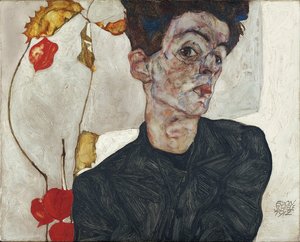
Egon Şiele

Egon Şiele

1890 - 1918, Avusturya

Egon Şiele hakkında kısa bilgiler

  • Artistic Movement Or Style: İkinci Ekspresyonizm
  • Artists Or Movements Influenced By This Artist: ['Ekspresyonizm']
  • Artists Who Influenced This Artist: ['Gustav Klimt']
  • Date Of Birth: 12 Haziran 1890
  • Date Of Death: 31 Ekim 1918
  • Full Name: Egon Schiele
  • Nationality: Avusturyalı
  • Notable Artworks:
    • Portre
    • Çift Embracing
    • Kreuzberg Manzarası
  • Place Of Birth: Tulln, Avusturya

Sanatçı Özgeçmişi

A Life Forged in Expression

Born in 1890 in Tulln an der Donau – a picturesque region with vineyards, onion-domed towers and Baroque monasteries – Egon Schiele’s life was a tempestuous journey marked by both extraordinary artistic vision and profound personal hardship. His early years were shadowed by illness and loss; his father succumbed to syphilis when Egon was just fourteen, a tragedy that would deeply resonate within his work, fueling an obsession with mortality and the fragility of existence. Raised initially by his mother and then under the somewhat controlling guardianship of his uncle Leopold Czihaczek, Schiele’s childhood lacked conventional stability but fostered a fiercely independent spirit. Even as a boy, he displayed an intense fascination with trains—a motif that subtly reappeared in later paintings—and a burgeoning talent for drawing, though this was initially met with disapproval from his father who saw it as a distraction from more practical pursuits. The early death of his sister Elvira also cast a long shadow over the young artist’s psyche. These formative experiences instilled within him a sensitivity and an emotional rawness that would become hallmarks of his artistic expression, a constant grappling with themes of life, death, and the human condition.

Early Influences & Artistic Training

Schiele's formal artistic training began at the Kunstgewerbeschule (School of Arts and Crafts) in Vienna, but he quickly found itself stifled by its conservative approach. He transferred to the Akademie der bildenden Künste (Academy of Fine Arts), only to become further disillusioned with its rigid academic traditions. This dissatisfaction led him to abandon formal training altogether, choosing instead to forge his own path—a testament to his unwavering artistic conviction. The influence of Gustav Klimt was pivotal during these early years; Schiele admired Klimt’s decorative style and exploration of symbolism, even receiving mentorship from the established artist. Klimt's bold use of color and stylized forms captivated young Schiele, shaping his aesthetic sensibilities and inspiring him to experiment with innovative techniques. However, Schiele soon diverged from Klimt's aesthetic, developing a distinctly individual voice characterized by its stark honesty and psychological intensity.

Vienna Secession & Artistic Breakthrough

Schiele joined the Vienna Secession in 1907 alongside fellow artists like Gustav Klimt, Oskar Kokoschka, and Josef Maria Olbrich—a group that championed artistic freedom and challenged the prevailing conservative values of Viennese society. The Secession’s manifesto declared a rejection of academic conventions and an embrace of expressive art as opposed to mere imitation of nature. This commitment to innovation profoundly impacted Schiele's artistic development, propelling him toward experimentation with new materials and techniques—particularly etching and lithography—that allowed him to convey emotion and psychological complexity in ways that traditional painting could not.

Major Themes & Artistic Style

Schiele’s art is immediately recognizable for its raw honesty and psychological depth. He fearlessly confronted themes often considered taboo – sexuality, death, anxiety, isolation – with an unflinching gaze. His distinctive style features elongated figures, contorted poses, and expressive lines that convey a sense of unease and emotional intensity. The human form, particularly the nude, became his primary subject, not as an object of idealized beauty but as a vessel for exploring the complexities of human experience. Schiele didn’t shy away from depicting himself in unflattering or vulnerable poses, revealing a profound level of self-awareness and introspection. Beyond self-portraiture, Schiele created numerous portraits of others, capturing their likenesses with an unsettling realism that seemed to penetrate beneath the surface. His landscapes, while less central to his work than his figurative paintings, demonstrate his mastery of form and color, often reflecting the same emotional intensity as his portraits. The use of line is particularly striking in Schiele’s work; it's not merely a tool for defining shape but an expressive force that conveys emotion and psychological tension.

Legacy & Influence

Despite facing censorship and legal challenges – including a brief imprisonment for allegedly corrupting minors with his art – Schiele gained recognition within Vienna’s avant-garde circles. His work challenged the conventions of the time, provoking both admiration and outrage. By the time of his untimely death during the Spanish flu pandemic in 1918 at the age of twenty-eight, he had established himself as a leading figure in Austrian Expressionism. Significant works such as Self-Portrait with Physalis, Couple Embracing, and Field Landscape (Kreuzberg near Krumau) stand as testaments to his artistic genius. His influence on subsequent generations of artists is undeniable, particularly those interested in exploring psychological themes and challenging conventional artistic norms. Schiele’s bold approach to form and subject matter continues to resonate with audiences today, making him one of the most important and influential figures in early 20th-century art. His paintings are now held in major museum collections worldwide, ensuring his artistic legacy endures.

§ 5İlgili eserler

§ 6Sorular

Hızlı Bilgiler

  • Title: untitled (6087)
  • Subject or theme: Doorway; Interior Scene
  • Influences: Gustav Klimt
  • Notable elements or techniques: Bold lines, textured surface
  • Medium: Oil on Canvas

Sanat Bilgisi Testi

Her soru için yalnızca bir doğru cevap bulunmaktadır.

Soru 1:
What artistic movement is Egon Schiele primarily associated with?
Soru 2:
The painting depicts a simple scene featuring what prominent element?
Soru 3:
What is the dominant color palette used in this artwork?
Soru 4:
Considering Schiele's artistic style, what characteristic technique is evident in the depiction of the door bars?
Soru 5:
How might Schiele's personal experiences—particularly his father’s illness—influence the mood and themes conveyed in this piece?

§ 7Bu çalışmaya atıf yapın

AllPaintingsStore.com, “Egon Şiele, untitled (6087)”, https://allpaintingsstore.com/tr/art/egon-schiele-untitled-6087-9GEUEE-en/ArtistReproduction/ (erişim tarihi 6 Ekim 2026).

§ 8Reproduksiyon

El Yapımı Yağlı Boya Reproduksiyon

Sanatçılarımız tarafından sipariş üzerine hazırlanan; istediğiniz boyut ve çerçevede, tuval üzerine el boyaması yağlı boya. ( Baskı Satışına Geç Dijital Görsele Geç)

Sipariş fişinin kenar notunda belirtilmiştir; söz konusu fişin güncel durumu şu şekildedir:

untitled (6087)

Reproduksiyon Tekniği

Reproduksiyon Boyutu

-

Seçkin Kıdemli Sanatçı

Daha fazla detay, incelik ve ek üretim süresi

-

Reproduksiyon Çerçevesi

-

-

Herhangi bir kenarı 105 cm'den (yaklaşık 41 inç) büyük olan sanat eserleri veya reprodüksiyonlar için çerçeve, demonte edilmiş bir kit halinde gönderilecektir. Bu yöntem, güvenli teslimat sağlar ve taşıma sırasında oluşabilecek hasarları önler.

Profesyonel montaj gereklidir; bu ürün kendin yap (DIY) tarzı bir ürün değildir.
Kit; ahşap tutkalı (pakete dahil değildir), kanvas germe pensi ve tutkal kururken çıtaların dik durmasını sağlayacak işkenceler kullanılarak, deneyimli bir profesyonel çerçeveci tarafından monte edilmeli ve kanvas gerilmelidir. Hatalı montaj veya dengesiz kanvas gerginliği sanat eserine kalıcı zarar verebilir ve bu durum garantimiz kapsamında değildir.

  • Tüm masif ahşap çıtalar dahildir, montaj için hassas bir şekilde ölçülmüştür.

  • Paket içeriğinde bulunan vidalar ve köşe birleşimleri için ustanız tarafından temin edilmesi gereken, ancak pakete dahil olmayan ahşap tutkalı ile monte edilir.

  • Profesyonel araçlar gereklidir ve pakete dahil değildir: bir tuval germe aparatı (gerdirici) ve yapıştırıcı kururken çıtaların dik durmasını sağlayacak kıskaçlar.

Önemli:
Köşe bağlantıları için ahşap tutkalı gereklidir; tutkal tamamen kuruyana kadar çıtalar işkenceler ile sabitlenmelidir ve monte edilmiş çerçeve üzerindeki kanvasın gerilmesi için bir kanvas germe pensine ihtiyaç duyulur. Bunların hiçbiri kit içerisinde yer almamaktadır. Lütfen bu boyutu sipariş etmeden önce deneyimli bir profesyonel çerçeve ustası ile anlaşın.

Eser Etiketi

-

-

Koruyucu Vernik Katmanı

Parlak Vernik (renkleri canlandırır; ışığa ve neme karşı koruma sağlar)

-

Eserimi Özelleştir

Değiştirilebilecek örneklere göz atın: Yüzü müşteri fotoğrafıyla değiştirin; Evcil hayvan ekleyin (örneğin, kediyi köpek ile değiştirin); Arka plana gizli bir mesaj dahil edin; Arka plan manzarasını veya öğelerini değiştirin.

-

Hızlı Teslimat

Dünya Çapında Teslimat (); standart 5 hafta yerine 3/4 hafta içinde. (3 Kasım). Kaliteden ödün verilmez.

-

Hızlı Gönderim

için dünya çapında 5 haftalık teslimat süresi. (10 Kasım).

Dahil

Toplam Tutar

₺ 12684

Her siparişle birlikte gelir

  • Dünya Çapında Ücretsiz Ekspres Kargo
  • Yüksek Kaliteli Keten Kanvas
  • Tam Nakliye Sigortası
  • Gümrük Vergisi İadesi Garantisi
  • Gerçek Renk Uyumu Garantisi
  • 100 Günlük İade Politikası (Sadece Kusurlu Ürünler İçin)
  • %100 Para İade Garantisi
  • Toplu Alım İndirimi
Sipariş formu