

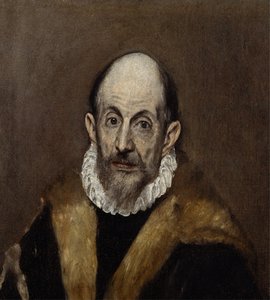
1610. Oil On Canvas, 97.0 x 77.0 cm. El Greco Müzesi.

§ 1Katalog verileri

- 97.0 x 77.0 cm


§ 2Soyut
Eser Açıklaması
Experience the spiritual intensity of El Greco's Apostle St Andrew, a Mannerist masterpiece featuring dramatic chiaroscuro and ethereal light that invites you to explore this profound vision of faith.
 Tümünü Gör
Sanatçı Biyografisi
El Greco: İspanyol Rönesansı'nın dâhisi! Uzun figürleri, dramatik ışığı ve mistik atmosferiyle tanınan El Greco'nun eserlerini keşfedin. 'Orgaz Kontu'nun Cenaze Töreni' gibi başyapıtlarıyla sanat dünyasına iz bırakmış bir ressam.
§ 3Yorumlar
A Portrait of Faith: Exploring El Greco’s Apostle St Andrew
Doménikos Theotokópoulos, universally known as El Greco – “the Greek” – stands apart in the annals of European art history. Born in Crete in 1541 amidst the Venetian dominion, his artistic odyssey traversed Venice and Rome before establishing itself firmly within the spiritual landscape of Toledo, Spain. More than simply absorbing influences from these cities, El Greco transformed them into a singular vision—a style that foreshadowed the emotive fervor of Expressionism and the fractured aesthetics of Cubism centuries ahead of their time. His formative years spent mastering Byzantine iconography instilled in him an unwavering dedication to meticulous detail and a profound grasp of religious symbolism, yet he refused to be bound by convention. He proudly asserted his Cretan heritage through his signature – “Krḗs” – marking a defiant assertion of identity as he boldly embraced uncharted artistic territories.- Subject Matter: The painting depicts St. Andrew, one of Jesus Christ’s twelve apostles, capturing him in contemplative repose. This figure embodies piety and devotion—a cornerstone of Christian iconography.
- Style: El Greco's distinctive style is characterized by elongated figures, dramatic poses, and ethereal drapery. These stylistic choices deliberately heighten emotional impact and convey a sense of spiritual transcendence.
Historical Context: Toledo and Renaissance Spirituality
Painted in 1610, “Apostle St Andrew” emerged during a period of fervent religious revival in Spain—the Counter-Reformation. The Catholic Church actively sought to reaffirm its authority and inspire piety through art, commissioning works that conveyed moral virtue and spiritual aspiration. El Greco’s oeuvre reflects this cultural climate, aligning seamlessly with the broader artistic trends of the era.- Symbolism: The wooden crosses held by St. Andrew are potent symbols representing his martyrdom—a pivotal event in Christian history signifying sacrifice and unwavering faith. They serve as a visual reminder of Christ’s crucifixion, reinforcing the painting's theological significance.
Emotional Impact: A Window into Spiritual Depth
“Apostle St Andrew” transcends mere representation; it aspires to evoke profound emotion. The artist’s masterful manipulation of color and form compels contemplation, inviting viewers to consider themes of faith, suffering, and divine grace. The painting's serene yet arresting presence speaks to the enduring power of religious imagery—a testament to El Greco’s ability to capture the essence of spiritual experience.Soru ve Cevaplar
El Greco imzalı "Apostle St Andrew" eserinin renk doygunluğu nasıldır?
El Greco imzalı "Apostle St Andrew", Muted doygunluk seviyesinde kaydedilmiştir.
El Greco imzalı "Apostle St Andrew" hangi teknikle icra edilmiştir?
"Apostle St Andrew", Oil On Canvas kullanılarak icra edilmiştir.
Spanish Mannerism akımına ait olan "Apostle St Andrew" adlı eser hangi ülkeye aittir?
"Apostle St Andrew", yaratıcısının doğum yeri üzerinden Spanish Mannerism akımını Girit ile ilişkilendiriyor.


 Baskı Satışına Geç


 Herhangi bir kenarı 105 cm'den (yaklaşık 41 inç) büyük olan sanat eserleri veya reprodüksiyonlar için çerçeve, demonte edilmiş bir kit halinde gönderilecektir. Bu yöntem, güvenli teslimat sağlar ve taşıma sırasında oluşabilecek hasarları önler.


