


 Önizleme yap
 Paylaş
 Paylaş
 Detayları Gör
 Rehber

 İndir
İndir
 Benzerlerini gör
 X-Işını
 Slayt Gösterisi
 İstatistikler
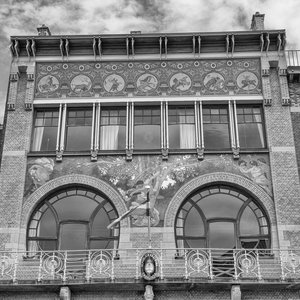
Building. Geological Museum of Budapest in Budapest, Hungary

 Tümünü Gör
El Yapımı Yağlı Boya Reproduksiyon
Sanatçılarımız tarafından sipariş üzerine hazırlanan; istediğiniz boyut ve çerçevede, tuval üzerine el boyaması yağlı boya. ( Baskı Moduna Geç Dijital Görsele Geç)




































Eserin orijinal oranlarıyla uyumlu, önceden belirlenmiş boyutlarımız arasından seçim yapın.

Belirli bir çerçeveye veya alana uyması için kendi boyutlarınızı girebilirsiniz. Seçtiğiniz boyut orijinal görüntünün oranlarıyla eşleşmiyorsa, sanat eserini kırparak veya ek el boyaması öğelerle resmi uzatarak ayarlayacağız. Üretim başlamadan önce onayınız için dijital bir taslak gönderilecektir.
Lütfen ekrandaki önizlemenin gerçek kırpmayı veya uzatmayı yansıtmadığını unutmayın. Nihai kompozisyonu yalnızca hazırlanan taslak doğru şekilde gösterecektir.
Özel boyutlar mevcut olsa da, orijinal oranları korumak adına önceden tanımlanmış listeden bir boyut seçmenizi öneririz.
Siparişten sonra, AllPaintingsStore.com ekibi talimatlar için müşteriye e-posta gönderecek ve bir taslak önizleme sunacaktır
Dünya Çapında Teslimat (); standart 5 hafta yerine 3/4 haftada. (21 Eylül). Kaliteden ödün verilmez.

Dünya Çapında Ücretsiz Ekspres Kargo

Yüksek Kaliteli Keten Tuval

Tam Kapsamlı Nakliye Sigortası

Gümrük Vergisi İade Garantisi

Gerçek Renk Uyumu Garantisi

100 Günlük İade Politikası (Sadece Kusurlu Ürünler İçin)

%100 Para İade Garantisi

Toplu Alım İndirimi
 Cam seçeneği yalnızca 110 cm altındaki boyutlar için mevcuttur.

Building. Geological Museum of Budapest in Budapest, Hungary
Reproduksiyon Tekniği
Reproduksiyon Boyutu
-


Toplam Tutar
$ 258
Benzer Eserler



Sanatçı Özgeçmişi
The Architect of the Hungarian Soul
In the heart of Budapest, where the Danube whispers tales of empires and shifting borders, there exists a skyline defined by a singular, visionary spirit. Ödön Lechner, often whispered about in architectural circles as the "Hungarian Gaudí," did not merely design buildings; he composed symphonies in ceramic and iron. Born János Ödön Lechner in 1845, his life was dedicated to a profound and romantic pursuit: the creation of a distinct national architectural language. While much of Europe was swept up in the sweeping curves of Art Nouveau, Lechner sought something deeper, a way to weave the very DNA of the Magyar and Turkic heritage into the structural fabric of a modernizing nation.
His journey began with a rigorous classical foundation, studying mathematics and architecture at the Technische Universität Wien. Under the tutelage of masters like Viktor Hammerstein, he absorbed the disciplined elegance of the Beaux Arts tradition. Yet, Lechner’s heart beat to a different rhythm. He looked away from the rigid symmetries of Vienna and toward the vibrant, organic patterns found in Hungarian folk art. He saw beauty in the intricate floral motifs of peasant embroidery and the sweeping, exotic geometries of Eastern influences. This synthesis of academic precision and folkloric passion would become the cornerstone of the Szecesszió movement—the Hungarian expression of Art Nouveau.
A Symphony of Zsolnay and Stone
To realize his dream of a national style, Lechner required materials that could withstand both the elements and the passage of time while maintaining a brilliant, emotive palette. This led to his legendary collaboration with the Zsolnay Tile Factory. The introduction of pyrogranite—a highly durable, weather-resistant ceramic—allowed Lechner to treat building facades as canvases for storytelling. He adorned his structures with breathtaking mosaics and colorful tiles that shimmered under the Hungarian sun, transforming heavy masonry into something that felt light, organic, and alive.
His masterpieces serve as enduring landmarks of this artistic marriage between technology and tradition:
- The Budapest Geological Museum: A monumental achievement where Zsolnay tile panels depict the very landscapes and flora of Hungary, grounding the scientific purpose of the building in national identity.
- The Blue Church (Church of St. Elizabeth) in Bratislava: A dreamlike structure that seems to have descended from a fairytale, characterized by its striking blue hues and an elaborate, ethereal clock tower.
- The Museum of Applied Arts: Perhaps his most iconic contribution, where the roofline dances with colorful ceramics, embodying the peak of the Szecesszió aesthetic.
Legacy Written in Ceramic
Lechner’s career was a relentless pursuit of an architectural identity that could stand proudly alongside the great traditions of Europe while remaining fiercely local. He utilized modern materials like ironwork to create intricate, flowing shapes, yet he never lost sight of the ancestral motifs that connected his people to their roots. His work was not merely about decoration; it was about belonging. Through his use of Orientalist elements and Magyar patterns, he provided a visual anchor for a nation navigating the complexities of the fin de siècle.
Though his life ended in 1914, just as the world began to fracture under the weight of the Great War, his architectural legacy remains unshakeable. Today, his buildings are more than historical monuments; they are living pieces of art that continue to enchant travelers and scholars alike. To walk past a Lechner building is to witness a moment in history where architecture, folk memory, and modern innovation converged to create something truly eternal. He remains the definitive architect of the Hungarian spirit, leaving behind a colorful, tiled testament to the beauty of national identity.

eugen lechner
1845 - 1914 , Hungary
Kısa Bilgiler
- Artistic Movement Or Style: Szecesszió / Art Nouveau
- Artists Or Movements Influenced By This Artist: ['Vienna Secession']
- Artists Who Influenced This Artist:
- Gustav Klimt
- Josef Hoffmann
- Date Of Birth: August 27, 1845
- Date Of Death: June 10, 1914
- Full Name: János Ödön Lechner
- Nationality: Hungarian
- Notable Artworks:
- Building. Geological Museum of Budapest
- The Church of St. Elizabeth
- Place Of Birth: Budapest, Hungary

