

- Ana Sayfa

- Kanvas baskı
- Felipe Bigarny
- Main Altar

 Preview
 Paylaş
 Paylaş
 Detayları Gör

 İndir
İndir
 Benzerlerini gör
 X-Işını
 Slayt Gösterisi
Main Altar


 Tümünü Gör
Giclée / Sanat Baskısı
Hızlı üretim ve esnek bitiş seçenekleriyle müze kalitesinde giclée veya kanvas baskı. ( Switch to hand made Painting Switch to Image)

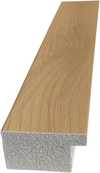
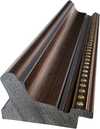
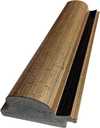
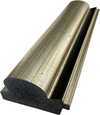
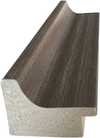
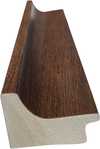
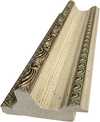
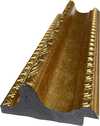
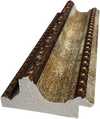
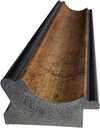
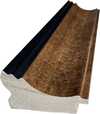
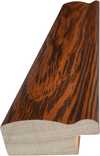
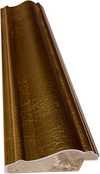

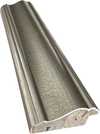
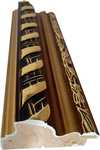
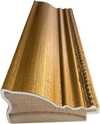
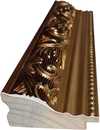
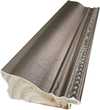
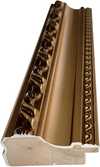
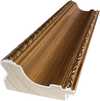
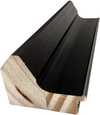
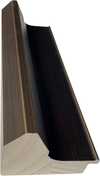
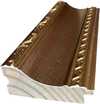
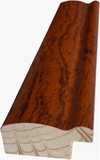
Eserin orijinal oranlarıyla uyumlu, önceden belirlenmiş boyutlarımız arasından seçim yapın.

Belirli bir çerçeveye veya alana uyması için kendi ölçülerinizi girebilirsiniz. Seçtiğiniz boyut orijinal görüntünün oranlarıyla eşleşmiyorsa, sanat eserini kırpacağız veya görüntüyü aynalanmış ya da düz dolgulu bir kenarlıkla genişleteceğiz. Üretim başlamadan önce onayınız için bir dijital taslak gönderilecektir.
Lütfen ekrandaki önizlemenin gerçek kırpma veya genişletmeyi yansıtmadığını unutmayın. Nihai kompozisyonu yalnızca taslak doğru bir şekilde gösterecektir.
Özel boyutlar mevcut olsa da, orijinal oranları korumak için önceden tanımlanmış listeden bir boyut seçmenizi öneririz.
Dünya Çapında Teslimat (); standart 4/5 hafta yerine 2 haftada. (28 Temmuz)

Dünya Çapında Ücretsiz Ekspres Kargo

Yüksek Kaliteli Keten Tuval

Tam Kapsamlı Nakliye Sigortası

Gümrük Vergisi İade Garantisi

Gerçek Renk Uyumu Garantisi

60 Günlük İade Politikası (Sadece Kusurlu Ürünler İçin)

%100 Para İade Garantisi

Toplu Alım İndirimi
 Cam seçeneği yalnızca 110 cm altındaki boyutlar için mevcuttur.

Main Altar
Giclée / Sanat Baskısı
Reproduksiyon Boyutu
-


Toplam Tutar
$ 64
Benzer Eserler


Sanatçı Özgeçmişi
The Sculptor of the Spanish Renaissance
In the grand tapestry of the Spanish Renaissance, few names resonate with as much structural and artistic authority as Felipe Bigarny. A master whose hands shaped the very soul of Spanish sacred spaces, Bigarny was far more than a mere carver of stone; he was an architect of devotion and a bridge between the fading echoes of the Gothic era and the burgeoning light of the Renaissance. Born in Langres, Burgundy, around 1475, his early life was marked by a nomadic artistic education that would eventually define his unique aesthetic. His youth took him to Italy, where the air of Rome likely instilled in him the classical proportions and anatomical precision that would later breathe life into his Spanish commissions. This profound synthesis of Flemish detail, Burgundian tradition, and Italian grace allowed him to transcend local styles, creating a visual language that felt both intimately familiar to the Spanish faithful and strikingly modern.
The trajectory of Bigarny’s career shifted irrevocably in 1498 when, at the age of twenty-three, he embarked on the pilgrimage to Santiago de Compostela. This journey led him to settle in Burgos, a city that would become the stage for his greatest triumphs. It was here that his technical mastery first captured the attention of the ecclesiastical elite. His execution of the incredibly precise reliefs within the main retrochoir of the Burgos Cathedral served as a definitive calling card, establishing him not just as a skilled artisan, but as the preeminent sculptor of his generation. This prestige soon paved his way to the highest echelons of Spanish power, leading to his appointment as the master sculptor and carver for one of Spain's most significant religious landmarks.
A Legacy Carved in Stone and Wood
Bigarny’s professional life was characterized by an extraordinary industriousness that allowed him to operate several studios simultaneously. This organizational brilliance enabled him to undertake massive, multi-decade projects for the Crown of Castile, effectively shaping the visual identity of a nation. His work was remarkably versatile, spanning various sculptural genres and mediums; he moved with equal grace between the rugged permanence of stone and the delicate, emotive potential of polychromed wood. This versatility ensured that his influence permeated every corner of Spanish liturgical art, from grand altarpieces to intimate devotional figures.
His most significant architectural and sculptural contributions can be seen in several monumental sites:
- Toledo Cathedral: In 1499, under the patronage of Cardinal Archbishop Francisco Jiménez de Cisneros, Bigarny designed the fundamental structure of the cathedral's main altarpiece. His work on this project, including the creation of figures such as Saint Mark the Evangelist, showcased his ability to manage complex, large-scale theological narratives through sculpture.
- University of Salamanca: During the early 16th century, he expanded his reach by producing a series of profound sculptures for the university's altarpiece, including depictions of Saint Augustine, Saint Barbara, and Saint Jerome, further cementing his role as a primary educator of the visual arts through his work.
- Palencia Cathedral: His involvement in the chapel of the sanctuary at Palencia demonstrated his role as a director of artistic vision. While much of the heavy labor was delegated to his skilled studio, Bigarny personally oversaw the most vital elements, meticulously sculpting the faces and hands to ensure the emotional resonance of the work remained true to his hand.
The Architect of an Era
Beyond the chisel, Bigarny functioned as an architect, a role that required him to understand the spatial relationship between sculpture and the structures they inhabited. This dual mastery allowed him to create works that were not merely placed within buildings but were integral to their very architecture. His ability to blend the intricate, almost overwhelming detail of the Flemish style with the balanced, harmonious compositions of the Italian Renaissance created a tension that defined the Spanish aesthetic of the 16th century. He brought a sense of movement and humanism to religious iconography, making the divine feel tangible and present.
By the time of his death in 1542, Felipe Bigarny had achieved a level of wealth and renown that few artists of his era could claim. His legacy is not found merely in individual statues, but in the very atmosphere of the great Spanish cathedrals. Through his tireless work for the Church and the Crown, he helped transition Spain from the medieval mindset into the modern age, leaving behind a monumental heritage of stone and wood that continues to inspire awe in all who walk through the shadows of his masterpieces.

Felipe Bigarny
1475 - 1542 , Spain
Kısa Bilgiler
- Artistic Movement Or Style: Renaissance
- Artists Or Movements Influenced By This Artist:
- Flemish Renaissance
- Burgundian Renaissance
- Artists Who Influenced This Artist: ['Lodovico Mazzolino']
- Date Of Birth: ca. 1475
- Date Of Death: 1542
- Full Name: felipe bigarny
- Nationality: Spanish
- Notable Artworks:
- Main Altar
- Circumcision
- Place Of Birth: Toledo, Spain
İlgili Makaleler

Theatricality & Triumph: Baroque Drama in Painting & Sculpture
Explore the dramatic world of Baroque art! Discover its history, defining characteristics, & lasting influence on painting & sculpture. Expert insights into Caravaggio, Zurbarán, and Bernini – plus high-quality reproductions at AllPaintingsStore.

The Golden Age Reforged: Dramatic Realism & Religious Zeal in Spanish Baroque Art
Explore the dramatic world of Spanish Baroque art! Discover masters like Zurbarán & the powerful influence of religious zeal on painting techniques – a guide for collectors and enthusiasts.

Luca della Robbia: Renaissance Sculpture & the Innovation of Terracotta Glazing
Discover the innovative terracotta glazing techniques of Luca della Robbia, a Renaissance master sculptor. Explore his iconic works, legacy, and collecting tips with AllPaintingsStore.

Bronze Age to Modern Masters: 10 Sculptures That Redefined Art | AllPaintingsStore
Journey through art history with 10 legendary bronze sculptures – from Michelangelo's David to Rodin’s Thinker. Explore the stories, techniques & timeless beauty of these masterpieces. Find museum-quality reproductions & elevate your home decor on AllPaintingsStore.com.
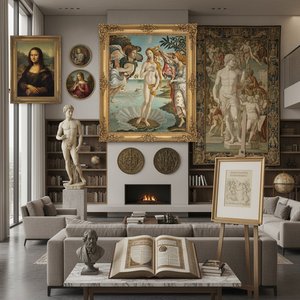
Renaissance Humanism's Greatest Art: 10 Masterpieces for Your Home
Explore 10 Renaissance Humanism masterpieces by Leonardo da Vinci, Michelangelo & Raphael. Discover the stories behind these iconic paintings & sculptures and bring timeless art into your home with museum-quality reproductions from AllPaintingsStore.com. Explore the full collection online!



