


 Önizle
 Gönder
 Paylaş
 Detaylar
 Rehber

 Dosyayı İndir
 Benzerleri
 X-Işını
 Slayt Gösterisi
 İstatistikler
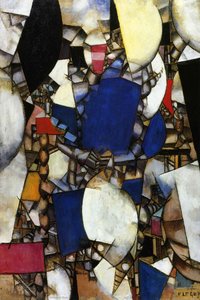
Acrobats in the circus


 Devamını Oku
Giclée / Sanat Baskısı
Hızlı üretim ve esnek bitiş seçenekleriyle müze kalitesinde giclée veya kanvas baskı. ( El Yapımı Tablo Satın Al Dijital Görsel Satışına Geç)




P118B ₺10

P118H ₺10

P118W ₺10

P438Z ₺10

P508JH ₺12

P508YH ₺12

P805H ₺10

P805Z ₺10

P919BZ ₺10

P919G ₺10

P919XJ ₺10

P959ZH ₺10

P968JZ ₺12

W106C ₺8

W218G ₺10

W218JH ₺8

W218Y ₺10

W307PJ ₺10

W316G ₺10

W316PJ ₺8

W316Y ₺10

W398PJ ₺8

W4111J ₺10

W500HY ₺15

W500JH ₺15

W692G ₺12

W849H ₺8

W940BG ₺15

W953PJ ₺8




Eserin orijinal oranlarıyla uyumlu, önceden belirlenmiş boyutlarımız arasından seçim yapın.

Çerçevenize veya duvarınıza uygun olması için ihtiyacınız olan genişlik ve yüksekliği yazın. Bir baskı yalnızca kesilebilir, görselden daha büyük hale getirilemez; bu nedenle farklı bir formdaki boyut seçimi, görselin bir kısmının kaybına neden olur. Herhangi bir baskı yapmadan önce onaylamanız için size bir dijital taslak gönderiyoruz. Bu sayfada gösterilen resim gerçek kesimi göstermez — bunu yalnızca taslak gösterir.
Dünya Çapında Teslimat (); standart 4/5 hafta yerine 2 haftada. (25 Ekim)

Dünya Çapında Ücretsiz Ekspres Kargo

Yüksek Kaliteli Keten Tuval

Tam Nakliye Sigortası

Gümrük Vergisi İadesi Garantisi

Gerçek Renk Uyumu Garantisi

100 Günlük İade Koşulları (Sadece Üretim Hatalı Ürünler İçin)

%100 Para İade Garantisi

Toplu Alım Avantajı
 Cam seçeneği yalnızca 110 cm altındaki boyutlar için mevcuttur.

Acrobats in the circus
Giclée / Sanat Baskısı
Baskı Boyutu
-


Toplam Fiyat
₺ 3130
The Enthralling World of Fernand Léger’s “Acrobats in the Circus”
Fernand Léger's "Acrobats in the Circus," painted in 1918, isn’t merely a depiction of a circus performance; it’s a vibrant explosion of energy and a bold declaration of modernity. Emerging from the fertile artistic landscape of early 20th-century Paris, Léger sought to capture the dynamism of the machine age – its geometric forms, its rhythmic movement, and its inherent spectacle – within a distinctly personal visual language. This painting, created during a period of intense experimentation and marked by his development of “Tubism,” offers a captivating glimpse into this artistic vision.
The scene unfolds with an almost frenetic intensity. Léger abandons traditional representational techniques in favor of fractured forms and simplified shapes. The acrobats themselves are rendered as cylinders, cones, and angular blocks, their bodies dissolving into geometric patterns. This deliberate abstraction isn’t a retreat from reality but rather a way to distill the essence of movement and form – to capture the *feeling* of the circus, not just its appearance. Notice how the figures seem to vibrate with an internal energy, suggesting the thrilling rush of performance and the precarious balance inherent in their acts.
Cubism and the Mechanical Age
Léger’s work during this period is inextricably linked to the burgeoning field of Cubism, though he developed a unique approach. Unlike Picasso and Braque, who often employed collage techniques, Léger focused on pure geometric abstraction, drawing inspiration from the industrial world around him. The rhythmic repetition of shapes – the circular forms of the acrobats’ bodies, the angularity of the stage props, even the suggestion of machinery in the background – echoes the patterns found in factories and urban landscapes. This fascination with mechanics is evident not just in the visual style but also in Léger's broader artistic philosophy; he believed that art should reflect the realities of modern life.
The painting’s color palette further enhances this sense of dynamism. Bold primary colors – reds, yellows, and blues – dominate the composition, creating a visually arresting effect. Metallic tones are strategically employed to mimic the sheen of polished metal, reinforcing the mechanical aesthetic. The use of contrasting colors also contributes to the overall feeling of movement and excitement.
Symbolism and Emotional Resonance
Beyond its formal innovations, “Acrobats in the Circus” is rich in symbolic meaning. The circus itself represents a world of illusion, spectacle, and escape – a realm where the ordinary becomes extraordinary. The acrobats, with their daring feats and precarious balance, embody themes of risk, skill, and human resilience. Léger’s choice to depict them in such an abstracted manner suggests that they are not simply performers but rather embodiments of modern energy and dynamism.
The inclusion of everyday objects – a clock, bowls, and vases – scattered throughout the scene adds another layer of complexity. These seemingly mundane items become integrated into the larger composition, blurring the boundaries between reality and abstraction. They serve as reminders of the world outside the circus tent, grounding the fantastical imagery in a recognizable context. The painting’s overall effect is one of joyful chaos—a celebration of life, movement, and the spirit of innovation.
A Reproduction for Your Space
AllPaintingsStore offers meticulously hand-painted reproductions of Fernand Léger's “Acrobats in the Circus,” capturing the artist’s unique style and vibrant energy with exceptional detail. Whether you are an art enthusiast, a collector seeking to expand your collection, or simply someone looking for a striking piece of décor, our reproductions provide a beautiful and authentic way to experience this iconic work of modern art. Choose from a range of sizes and canvas materials to perfectly complement your interior design.
Soru ve Cevaplar
"Acrobats in the circus" eserinin arkasındaki sanatçı kim?
"Acrobats in the circus" eserinin arkasındaki sanatçı Fernand Léger'tir. Eser, Fernand Léger adına kataloglanmıştır.
Fernand Léger imzalı "Acrobats in the circus" benzeri sanat eserlerini nerede bulabilirim?
"Acrobats in the circus" ile benzer eserler, eserin Benzerleri sayfasında listelenmektedir.
"Acrobats in the circus" hangi duyguyla ilişkilendiriliyor?
Fernand Léger imzalı "Acrobats in the circus", Melancholic bir duygusal ton yansıtıyor.
İlgili Eserler




Sanatçı Biyografisi
Sanatın Kalbinde Makine Çağı: Fernand Léger’in Hayatı ve Eserleri
Fernand Léger, Joseph Fernand Henri Léger olarak 4 Şubat 1881'de Normandiya kırsalının sakin kasabası Argentan’da doğdu. Çiftçilikle geçen çocukluğu, onu daha sonra Paris sanat sahnesinin kalbine taşıyacak olan bir tutkuyla resme yönelmesine zemin hazırladı. Mimarlık eğitimi almayı düşündüyse de, Léger'in sanata olan ilgisi onu başkentte, çizim tekniklerini öğrenirken ve kendini ifade etmenin yollarını ararken destek işleriyle geçinen bir sanatçıya dönüştürdü. Paul Cézanne’ın eserleriyle tanışması ise hayatının dönüm noktası oldu; bu karşılaşma, Léger'i geleneksel temsilden uzaklaştırarak formların temel yapılarını analiz etmeye ve onları tuvalde yeni bir ifade biçimiyle yeniden inşa etmeye teşvik etti. Bu dönem, sanatçı için sadece teknik bir gelişme değil, aynı zamanda modern dünyanın estetik anlayışını kökten değiştirecek bir uyanışı temsil ediyordu.Tübism’in Doğuşu ve Altın Oran Grubu
1907'de Cézanne’ın retrospektifi, Léger’i geleneksel sanatsal kalıpların ötesine taşıdı. Formları parçalamaya, yapılarını anlamaya ve onları hacim ve sağlamlık vurgusuyla yeniden oluşturmaya başladı. Bu keşifler onu Kübizm’in içine çekti, ancak Léger, Picasso veya Braque'ın izlerini takip etmek yerine kendi özgün dilini geliştirdi. Eleştirmenlerin “Tübism” olarak adlandırdığı bu stil, silindirsel formlar, düzleştirilmiş yüzeyler ve cesur renk kontrastlarıyla makinelerin estetiğini henüz yaygın bir sanat akımı haline gelmeden önce kutladı. Sanatçı, endüstrileşen dünyayı gözlemleyerek işlevsel şekillerde ve mekanik ritimlerde güzellik buldu. Léger, bu dönemde Jean Metzinger, Henri Le Fauconnier, Francis Picabia ve Marcel Duchamp gibi sanatçılarla birlikte Puteaux Grubu olarak bilinen Altın Oran Grubu’na katılarak sanatsal arayışlarını derinleştirdi. Grup, matematiğin uyum ve orantı ilkelerini sanata entegre etmeye çalışarak, soyut sanatın gelecekteki gelişimine zemin hazırladı.Savaş, Mekanizasyon ve Yeni Bir Estetik
Birinci Dünya Savaşı Léger’in hayatını ve eserlerini derinden etkiledi. 1914'ten 1916'ya kadar cephede geçirdiği süre boyunca modern savaşın acımasız gerçekleriyle yüzleşti – topçu bombardımanları, hava savaşları ve mekanize çatışmanın insanlık dışı etkileri. Bu deneyim onu hayal kırıklığına düşürmek yerine, makinelerle olan ilgisini daha da pekiştirdi. Hizmet sırasında yaptığı çizimler, yıkımın araçlarını sanatsal düşüncenin konularına dönüştürerek askeri teknolojinin sert güzelliğini belgeledi. Savaştan sonra Léger’in estetiği daha da gelişti; resimleri, endüstriyel dünyanın dinamizmini ve verimliliğini kutlayan daha akıcı bir mekanik duyarlılıkla karakterize edildi. * Tüpköylü* (1916) bu değişimi örneklendirerek basitleştirilmiş formlar ve cesur renklerle mekanik hassasiyet hissini uyandırdı. Bu sadece estetik bir seçim değildi; aynı zamanda modernliğin ilerleme ve yenilenme potansiyelini, yıkıcı çatışmanın bile ardından onaylayan felsefi bir beyitti.Mirası ve Kalıcı Etkisi
Savaş sonrası yıllarında Léger, sanat ile endüstri arasındaki kesişimi keşfetmeye devam ederek hem soyutlama hem de figüratif temsili benzersiz bir şekilde harmanlayan eserler yarattı. 1921’deki *Canlı Manzaralar* serisinde figürler ve hayvanlar, organik ve inorganik formlar arasındaki sınırları bulanıklaştıran akıcı kompozisyonlara kusursuzca entegre edildi. Heykelcilik ve film yapımıyla da denemeler yaparak sanatsal pratiğini geleneksel resmin sınırlarının ötesine taşıdı. Léger’in sonraki nesillerdeki sanatçılar üzerindeki etkisi yadsınamaz. Formların cesur basitleştirmesi, endüstriyel imgelerin benimsenmesi ve popüler kültüre olan ilgisi, Pop Art'ın ortaya çıkışını yıllar öncesinden haber verdi. Roy Lichtenstein ve Andy Warhol gibi sanatçılar, Léger’in öncü çalışmalarına açık bir borçluluk duyuyorlar. Soyut sanat ile figüratif temsili bir araya getirme becerisiyle hem entelektüel açıdan titiz hem de görsel olarak ilgi çekici eserler yaratmayı başardı. Bugün Fernand Léger'ın resimleri, Fransa’daki Musée d'Art et d'Histoire ve sadece onun çalışmalarına adanmış olan Musée National Fernand Léger dahil olmak üzere dünyanın dört bir yanındaki büyük müzelerde sergileniyor. O, 20. yüzyıl sanatının önemli bir figürü olarak kalıyor – makine çağında güzellik bulan ve enerjisini eşsiz cesaret ve özgünlükle tuvale aktaran bir vizyoner. Mirası sadece bir ressam olmakla sınırlı değil; aynı zamanda modernliğin peygamberi. Günümüzde de izleyicilerle yankılanmaya devam eden gerçek bir öncü.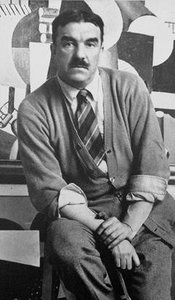
Fernand Léger
1881 - 1955 , Fransa
Kısa Bilgiler
- Artistic Movement Or Style: Kübizm, Tübism
- Artists Or Movements Influenced By This Artist: ['Pop Art']
- Artists Who Influenced This Artist: ['Paul Cézanne']
- Date Of Birth: 4 Şubat 1881
- Date Of Death: 17 Ağustos 1955
- Full Name: Fernand Léger
- Nationality: Fransız
- Notable Artworks:
- The Sitted Woman
- Machine Element
- The Great Parade
- The City
- Place Of Birth: Argentan, Fransa
İlgili Yazılar

Modern Geometry & Machine Age Beauty: A Collector's Guide to the Cubist Vision of Fernand Léger
Explore the profound geometric mastery of Fernand Léger. Discover how his 'Tubism' and Machine Age aesthetics redefined modern art, offering timeless inspiration for discerning collectors seeking to integrate Cubist dynamism into sophisticated contemporary interiors.


