Fernand Léger'in Hayatı
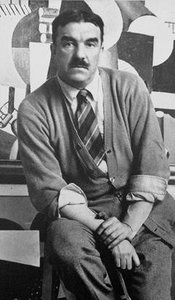
Fernand Léger'in hikayesi, Alt Normandiya'nın Orne bölgesinde yer alan Argentan köyünde başlar. 4 Şubat 1881'de dünyaya gelen sanatçı, tek bir oğundu. İlk yılları, Fransız kırsalının huzurlu sessizliği ve annesi Marie-Adèle Daunou'nun varlığıyla şekillendi. Geçimini sığır tüccarlığı yaparak sağlayan babası, Fernand henüz küçük bir çocukken hayata gözlerini yumdu; bu durum, çocuğu annesinin dindarlığı ve mütevazı doğasının damga vurduğu bir evde büyümesiyle baş başa bıraktı.
Normandiya'nın kırsal manzaralarında geçen bu büyüme süreci, sanatçının ileride Fransız kültürünün hareketli merkezlerinde sürdüreceği hayatla derin bir tezat oluşturuyordu. Kökleri toprağa ve tarımsal yaşamın fiziksel gerçekliğine bağlı olsa da, ruhu modern çağın karmaşıklığına doğru çekiliyordu. Zamanla etkisini Argentan sınırlarının çok ötesine taşıyacak olan sanatçı, birçok disiplini bünyesinde barındıran bir figüre dönüştü. Kendisini sadece tuvalle sınırlamakla kalmadı; vizyonunu heykel ve sinemanın hareketli görüntüleri aracılığıyla ifade etmenin yollarını aradı.
Onun yaşamı, gençliğinin organik dokuları ile şehirlerin yapılandırılmış, mekanik ritimleri arasında sürekli bir devinim halindeydi. Değişen bir yüzyılın dönüşümlerinde yolunu bulmaya çalışırken, bu ikilik onun varoluşunun temelini oluşturdu. Çocukluğunun geleneksel dünyası ile sanatı aracılığıyla tanımlamaya yardımcı olacağı geleceğin hızlı, endüstriyel nabzı arasındaki gerilim, onun yolculuğunu hiçbir zaman basit bir çizgide bırakmadı.
Erken Yaşam, Aile ve Eğitim
Fernand Léger'in vizyonunun kökleri, Fransa'nın Alt Normandiya bölgesinde yer alan Orne'un kırsal manzaralarına, Argentan'a tutunmuştu. Hayvancılığın hakim olduğu bir dünyada dünyaya gelen sanatçının ilk yılları, toprağın fiziksel gücü ve tarımsal yaşamın istikrarlı ritimleriyle şekillendi. Somut ve emek yoğun bu dünyada atılan temeller, ileride gerçekleştireceği daha karmaşık keşiflerin derinliklerinde sessiz bir varlık olarak kalmaya devam edecekti. Tek çocuk olarak dünyaya gelen ve hem dindar hem de mütevazı bir anne tarafından büyütülen sanatçının yolu, başlangıçta mimarinin yapılandırılmış disiplinine doğru sürüklendi. 1897 ile 1899 yılları arasında kendini bu teknik zanaata adadı; mekanın mantığını ve hassas çizim yapmanın gerekliliğini öğrenerek teknik bir temel kazandı.
1900 yılına gelindiğinde, şehrin cazibesi artık görmezden gelinemeyecek kadar güçlü bir hal aldı ve Paris'e yerleşti. Geçimini, çizgi ve oran konusunda keskin bir göz gerektiren mimari ressamlık yaparak sağladı. Mimarlık eğitimi ona yapısal bir anlayışın temelini sunsa da, kalbi yavaş yavaş tuvale doğru kaymaya başladı. Prestijli École des Beaux-Arts'a girmeyi denedi ancak kurum ona resmi öğrenci statüsü vermedi. Bu durum onu yıldırmadı; akademi dünyasının kıyısında dolaşırken, kayıtlı olmayan bir öğrenci olarak derslere katılmaya ve ustaların öğretilerini özümsemeye devam etti. Bazen bir arayış dönemi olarak tanımlanan bu eğitim süreci, aslında dünyayı kendi imajıyla parçalara ayırıp yeniden inşa etmek için kullanacağı teknik beceriyi mükemmelleştirmesinde hayati bir rol oynadı.
Cézanne ve Kübizm'in Etkisi
1907 yılında, sanatçının Salon d'Automne'deki Cézanne retrospektifiyle karşılaşmasıyla birlikte derin bir kırılma yaşandı. Bu karşılaşma, Fernand Léger'i gençliğinin yumuşak izlenimlerinden koparıp daha yapısal bir bakış açısına doğru çeken bir katalizör görevi gördü. Artık nesnelerin yüzeyinin ötesine bakmaya, dünyayı tanımlayan temel geometrinin izini sürmeye başlamıştı. 1909 yılına gelindiğinde, Alexander Archipenko, Jacques Lipchitz, Marc Chagall ve Robert Delaunay gibi isimlerle tanışmasıyla birlikte Paris'in yaratıcı çevrelerindeki varlığı daha da güçlendi. Bu buluşmalar yalnızca sosyal birer etkileşim değil, gelişmekte olan vizyonunun yönünü şekillendiren yeni fikirlerin çarpışmasıydı.
Yıllar ilerledikçe, kendisini Section d'Or olarak da bilinen Puteaux Grubu'nun yörüngesinde buldu. Jean Metzinger ve Henri Le Fauconnier ile birlikte bu yeni dilin matematiksel ve yapısal olanaklarını keşfetti. Başkalarının açtığı yolları basitçe takip etmekle yetinmedi; bunun yerine, dönemi tanımlayan kırılmış düzlemler ve iç içe geçmiş formlar arasında kendi özgün yolunu bulmaya çalıştı. Bu yoğun deneyim süreci, 1911 yılında Salon des indépendants'taki ilk büyük sergisine ve Nudes in the Forest eserini sunduğu o önemli dönüm noktasına kapı araladı.
- Nudes in the Forest (1911)
Savaş ve Mekanik Dönem
Büyük Savaş'ın yarattığı kaos, sanatçıyı Paris'in huzurlu atölyelerinden koparıp cephenin sert gerçekliğine sürükledi. 1914 ile 1917 yılları arasında Fransız Ordusu'nda görev yapan Fernand Léger, Argonne'da iki yıl boyunca yıpratıcı bir mücadele verdi. Bu çatışma, onun hayatı için yalnızca bir arka plan değil, form algısını kökten değiştiren dönüştürücü bir güç oldu. 1916 yılında maruz kaldığı bir hardal gazı saldırısı neredeyse hayatına mal oluyordu; o iyileşmeye çalışırken, çevresindeki dünya endüstriyel yıkımın devasa gücüyle yeniden şekilleniyordu. Hatta aynı yıl aldığı kısa bir izin sırasında bile kendini resim yapmaya mecbur bulmuş ve Soldier with a Pipe eserini üretmişti. Bu çalışma, insan figürünün savaş alanına hükmeden makinelerin niteliklerini almaya başladığı o yeni gerçekliğin ruhunu yakalamıştı.
1917 yılına gelindiğinde, yaratıcı ruhunda belirgin bir değişim yaşanmış ve bu durum sanatçının "mekanik dönemi" olarak adlandırılacak evrenin başlangıcını işaret etmişti. Modern savaşın ve endüstrinin araçlarında, teknolojisinde tuhaf ve ritmik bir güzellik keşfetti. Pürüzsüz, tübsel formlar ve mekanik parçaların hassasiyeti, onun yeni görsel dili haline geldi. Bu nesneleri soğuk veya kişisel olmayan varlıklar olarak görmedi; aksine, onların gücünü ve modern varoluşun kaosunu organize etme yeteneğini benimsedi. Savaş, sanatçının önceki dönem eserlerindeki yumuşak hatları söküp atmış, bunların yerine değişen bir çağın çelik ve pistonlarını yansıtan, sert kenarlı ve yapısal bir berraklık getirmişti.
Teknik ve Üslup
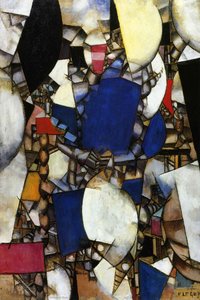
Fırçası, değişen bir dönemin nabzını yakalamak istercesine ritmik ve neredeyse endüstriyel bir hassasiyetle hareket ediyordu. Geçmişin yumuşak ve birbirine karışan gölgelerinden uzaklaşarak, kompozisyonlarını sağlam ve geometrik bir gücün diliyle inşa etmeyi seçti. Bu yaklaşım, eleştirmenlerin "Tübism" olarak adlandırdığı kişisel bir Kübizm formunun doğuşuna yol açtı. Bu üslupta dünya; tübsel, konik ve kübik formlar aracılığıyla yeniden hayal edildi; böylece hem katı hem de dinamik hissettiren bir hacim duygusu yaratıldı. O, nesneleri sadece boyamakla yetinmiyor, onların özündeki o temel, yapısal mantığı keşfetmeye çalışıyordu.
Seçtiği renkler, içini doldurdukları formlar kadar iddialıydı. Konularının keskin sınırlarını belirlemeye yardımcı olan, genellikle sert siyah ve beyazlarla vurgulanan, ana renklerin hakimiyetindeki bir paleti tercih ediyordu. Geleneksel illüzyonizme güvenmek yerine, boyayı cesur ve düzleştirilmiş renk düzlemleri halinde uyguladı. Tuval üzerindeki malzemenin fiziksel varlığını vurgulayan kalın bir impasto tekniğini sıklıkla kullandı. Bu dokusal yaklaşım, eserlerinin yere basan ve maddi bir his uyandırmasını sağlayarak, hayranlık duyduğu o makineleri ve kentsel yapıları yansıtmasına olanak tanıdı. Figürleri genellikle pürüzsüz, mekanik görünümlü şekillere bürünerek, organik insan formu ile modern çağın mühendislik hassasiyeti arasındaki çizgiyi bulanıklaştırdı.
- Nudes in the Forest (1910)
- The Woman in Blue (1912)
- Soldier with a Pipe (1916)
- The Mechanic (1920)
Son Yıllar ve Ölüm
Küresel çatışmaların değişen dalgaları, sanatçıyı en sonunda Paris çevrelerinden uzaklaştırarak Atlantik'in ötesine taşıdı. 1940 ile 1945 yılları arasında Amerika Birleşik Devletleri'nde yaşayan Fernand Léger, uzun zamandır tuvale aktarmaya çalıştığı modern dünyaya dair bambaşka bir perspektif kazandı. Yurt dışında geçen bu süre, onun uzun soluklu evriminde bir duraklama noktası, Fransa topraklarına yapacağı nihai dönüşten önce bir geçiş anı niteliğindeydi.
Vatanına döndüğünde, kişisel yaşamında önemli bir değişim yaşandı. Şubat 1952'de Nadia Khodasevich ile evlenen sanatçı, hayatının son dönemini devasa duvar resimlerinden zarif vitray pencerelere kadar uzanan geniş bir yelpazedeki eserlerini üretmeye devam ederek geçirdi. Yaş almak, uluslararası arenadaki saygınlığını sarsmak bir yana, etkisini daha da pekiştirdi. 1955 yılında, vefat ettiği yıl büyük bir onurla kazandığı São Paulo Bienali Büyük Ödülü'nü alan sanatçı, 17 Ağustos 1955'te Fransa'nın Gif-sur-Yvette kasabasında hayata gözlerini yumdu.
Miras ve Etki
Fernand Léger, kendi zamanının avangart çevrelerinin çok ötesine uzanan derin bir iz bıraktı. Soyut sanat ile figüratif temsil arasındaki boşluğu doldurarak, sanatçıların insan öznesini tamamen terk etmeden modern dünyayla bağ kurmalarının bir yolunu sundu. Onun yaklaşımı, geometrinin yapısal mantığı ile insanların ve nesnelerin tanınabilir varlığı arasında bir diyalog kurulmasına olanak tanıdı. Saf kavramsal olan ile somut olan arasında bir orta yol bulma yeteneği, kendisinden sonra gelen pek çok sanat akımının yönünü belirlemede kilit bir rol oynadı.
Formu cesurca sadeleştirmesi ve seri üretimin estetiğine duyduğu hayranlık, pop art hareketinin habercisi niteliğindeydi. Makine çağının tekrarlayan ve işlevsel doğasında bir tür güzellik gördü; bu bakış açısı, daha sonra yeni bir yaratıcı neslin ruhunda yankı bulacaktı. Roy Lichtenstein ve Andy Warhol gibi sanatçılar, onun belirgin konturlar ve mekanik imgelerle yaptığı deneylerden, popüler kültür üzerine kendi keşiflerine uzanan net bir çizgi çektiler. Fernand Léger, bir zamanlar tuvale aktarmaya çalıştığı o endüstriyel ve ticari unsurları yüceltecek olan bir dönemin görsel dilini hazırlamaya yardımcı oldu.
Eserlerini Bugün Nerede Görebilirsiniz?
Fernand Léger’in vizyonunun fiziksel varlığıyla buluşmak isteyenler, rotalarını Fransa'nın güneyine, özellikle Alpes-Maritimes bölgesindeki Biot kasabasına çevirebilirler. Burada, tamamen sanatçının yaratıcı üretiminin incelenmesine ve korunmasına adanmış bir mekan olan Musée national Fernand Léger yer alır. Müze, bir zamanlar bizzat sanatçının kendisine ait olan Mas Saint-André villasında konumlanmıştır. Bu duvarlar ve çevresindeki bahçeler arasında, onun çok renkli seramik heykelleri asıl ortamında hayat bulur; bu da izleyicinin, formlarının Akdeniz manzarasının ışığı ve mekanıyla nasıl bir etkileşim içinde olduğunu görmesine olanak tanır.
Bu özel sığınakların ötesinde, tuval çalışmaları ve heykelleri çeşitli önemli kurumların koleksiyonlarında korunmaktadır. Fransa'daki Musée d'Art et d'Histoire, sanatçının eserlerinden oluşan bir seçkiyi bünyesinde barındırarak onun Fransız sanatının geniş anlatısındaki yerini sağlamlaştırır. Bu koleksiyonlar, makine çağının enerjisini nasıl statik ama bir o kadar da nabız gibi atan görsel formlara dönüştürdüğünün kesintisiz bir şekilde incelenmesine imkan tanır. Onun kendine has estetiğini arayan gezginler, izlerini şu önemli koleksiyonlarda sürebilirler:
Sanatçının etkisi diğer sanatçıların eserlerinde de yankılanmaya devam etse de, onun doğrudan imzasını görmenin en temel yolu bu köklü hazinelerden geçer. İster bir müze ortamında o cesur, silindirik formları gözlemleyin, ister heykellerini bir bahçenin sessizliğinde inceleyin; izleyici, sanatçının yaşam boyu süren eserlerini tanımlayan o yapısal berraklıkla karşılaşır. Fernand Léger'in mirası, tablolarındaki o ağır ve mekanik ritimlerin, onun geometrisinin hakikatini arayanlar için korunduğu bu özel mekanlarda kök salmaya devam etmektedir.


 Tümünü Gör




 Baskı Satışına Geç


 Herhangi bir kenarı 105 cm'den (yaklaşık 41 inç) büyük olan sanat eserleri veya reprodüksiyonlar için çerçeve, demonte edilmiş bir kit halinde gönderilecektir. Bu yöntem, güvenli teslimat sağlar ve taşıma sırasında oluşabilecek hasarları önler.


