

Acrylic On Canvas.

§ 1Catalogue data

§ 2Abstract
Eser Açıklaması
 Tümünü Gör
Sanatçı Biyografisi
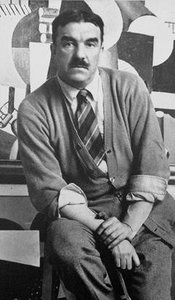
Fernand Léger (1881-1955): Kübizm ve 'Tübizm'in öncüsü! Modern yaşamı, makineleri ve insan formunu kutlayan cesur resimler keşfedin – Pop Art'ın kilit bir habercisi.
§ 3Commentary
Fernand Léger: Capturing the Rhythm of Industry
Fernand Léger’s “The Field Trip,” completed in 1925, stands as an emblem of Surrealist innovation and a profound reflection on the anxieties and aspirations of the interwar period. More than just a depiction of schoolchildren embarking on a journey to observe a locomotive, Léger's canvas embodies a radical reimagining of artistic representation—a deliberate rejection of illusionism in favor of a visual language that prioritizes geometric abstraction and conveys an overwhelming sense of movement.
- Subject Matter: The painting portrays a group of children traveling to witness the arrival of a steam locomotive. Léger meticulously captures the mundane details of everyday life—the uniforms, the backpacks, the faces—transforming them into stylized forms that contribute to the overall dynamism.
- Style: Léger’s style is undeniably Surrealist, albeit one profoundly influenced by Constructivism and Cubism. He abandons traditional perspective and employs a flattened picture plane, emphasizing orthogonal lines and geometric shapes—rectangles, squares, triangles—to create an illusion of depth and movement.
- Technique: Léger’s technique is characterized by bold brushstrokes and a vibrant palette dominated by reds, yellows, and blacks. He applies paint thickly onto the canvas, layering colors to achieve textural richness and emphasizing the materiality of the artwork itself. This physicality underscores Léger's belief that painting should engage with the physical world—a conviction rooted in his formative years spent working as a stonemason.
Historical Context: The Machine Age and Artistic Responses
“The Field Trip” emerged during a period of intense social and technological upheaval. The rapid industrialization of Europe—fueled by advancements in steam power, metallurgy, and transportation—was reshaping urban landscapes and altering the rhythms of daily life. Artists responded to these changes with diverse strategies, ranging from outright rejection of modernity to attempts to synthesize its principles with traditional forms. Léger’s Surrealist approach distinguishes itself through a calculated embrace of abstraction—a deliberate distortion of reality intended not merely to shock but also to provoke contemplation about the nature of perception and representation.
Symbolism: Rhythm, Repetition, and Transformation
Beyond its literal depiction of schoolchildren and locomotives, “The Field Trip” is laden with symbolic significance. Léger’s use of repetitive geometric shapes—particularly rectangles—represents the relentless march of industrial progress, mirroring the rhythmic pulsations of the locomotive engine. The flattened picture plane symbolizes a rejection of illusionism and an insistence on confronting viewers with the raw materiality of the artwork. Furthermore, Léger subtly transforms recognizable elements—faces, bodies—into stylized abstractions, suggesting that artistic representation transcends mere imitation of nature.
Emotional Impact: Anxiety and Wonder
"The Field Trip" evokes a complex emotional response in the viewer. The painting’s assertive color palette and dynamic brushstrokes convey an underlying sense of anxiety—a reflection of the uncertainties surrounding the future. Yet, simultaneously, Léger imbues his artwork with moments of wonder—captured in the expressive faces of the children and the luminous glow emanating from the locomotive. Ultimately, Léger's masterpiece compels us to reconsider our relationship with both the physical world and artistic expression—challenging us to embrace abstraction as a tool for conveying profound truths about human experience.
Soru ve Cevaplar
Fernand Léger imzalı "The field trip" eserinin renkleri, barındırdığı duyguyla nasıl bir ilişki içinde?
Fernand Léger imzalı "The field trip" eserinin Dark paleti, Calm duygusal tonuyla bir bütünlük sergiliyor. Renk, bir eserin duyguyu aktarma yollarından biridir.
Fernand Léger imzalı "The field trip" eserinde hangi renkler hakimdir?
"The field trip", Mahogany (#cf1909) tonlarının öne çıktığı Dark bir palet ile tanımlanmaktadır."
Fernand Léger imzalı "The field trip" eserinin görüntüsü serbestçe çoğaltılabilir mi?
Fernand Léger imzalı "The field trip" için telif hakkı durumu: eser kamu malıdır - telif hakkı süresi dolmuştur kapsamındadır. Bu durum, görüntünün çoğaltmalarının serbestçe yapılıp yapılamayacağını belirler.


 Baskı Satışına Geç


 Herhangi bir kenarı 105 cm'den (yaklaşık 41 inç) büyük olan sanat eserleri veya reprodüksiyonlar için çerçeve, demonte edilmiş bir kit halinde gönderilecektir. Bu yöntem, güvenli teslimat sağlar ve taşıma sırasında oluşabilecek hasarları önler.


