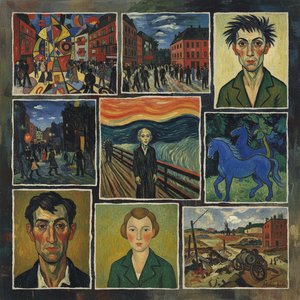
Oil On Canvas.

§ 1Catalogue data


Bu Eser Telif Hakkı Koruması Altındadır
Bu sayfada sergilenen eser telif hakkı yasasıyla korunmaktadır; bu da yasal olarak eserin birebir kopyasını oluşturamayacağımız veya satamayacağımız anlamına gelir. Bu koruma, aşağıdakiler gibi uluslararası anlaşmalar kapsamında uygulanmaktadır: Bern Sözleşmesi ve aşağıdakiler de dahil olmak üzere ulusal yasalarca belirlenen ABD Telif Hakkı Kanunu - 17. Başlık.
Saygılı ve yasal bir alternatif olarak, orijinalinden ilham alan, kişiye özel, el boyaması sanat eserleri sunuyoruz. Deneyimli ve profesyonel sanatçılarımız, aynı duyguyu uyandıran yeni ve benzersiz bir eser yaratmak için orijinalin stilini, ruhunu ve sanatsal özünü titizlikle inceler; üstelik bu eser, kendi başına özgün bir üretim olarak kalır.
Bu yöntem, koruma altındaki sanat eserinin kopyalanmasını veya çoğaltılmasını içermediği için telif hakkı düzenlemelerine tam uyum sağlar. Bunun yerine, yaratıcı bir yeniden yorumlamadır; orijinalinden etkilenen ancak onunla aynı olmayan yeni bir tablodur.
 Daha fazla bilgi edinin
§ 2Abstract
Eser Açıklaması
Dive into the unsettling world of Francis Bacon's 'Study for Three Heads 2.' This expressionistic portrait captures raw emotion and psychological intensity through distorted forms, dark hues, and layered textures.
Sanatçı Biyografisi
Francis Bacon (1909-1992), 20. yüzyılın en önemli İngiliz ressamlarından. İnsan figürlerini çarpıtarak varoluşsal temaları işleyen, etkileyici eserleriyle tanınıyor. 'Çarmıha Gerili Figürler' ve Papa portreleri gibi ikonik çalışmalarıyla modern sanatın zirvesinde.
§ 3Commentary
Study for Three Heads 2: A Descent into Psychological Intensity
Francis Bacon’s “Study for Three Heads 2” is not merely a depiction of a man; it's an excavation of the human psyche, rendered with a brutal honesty and unsettling beauty. Painted in 1968, this work exemplifies Bacon’s signature style – a deliberate distortion of form, a claustrophobic compression of space, and a palette dominated by the muted tones of anxiety. The canvas immediately confronts the viewer with a face fractured and fragmented, a portrait less concerned with objective representation than with conveying an overwhelming sense of unease and psychological distress. It's a study in isolation, a visual echo of the anxieties that permeated much of Bacon’s oeuvre during this period.
The composition itself is deliberately destabilizing. The subject, positioned slightly off-center within the frame, creates a feeling of imbalance, mirroring the internal turmoil suggested by his expression. The blurred figures in the background – hints of other faces lost in a chaotic environment – reinforce this sense of alienation and suggest a world devoid of comfort or connection. Bacon’s masterful use of light further amplifies this effect; stark highlights carve into the face, emphasizing every wrinkle and imperfection while deep shadows engulf the surrounding areas, creating an atmosphere of profound darkness and uncertainty.
Technique and Materials: A Raw Expression
Bacon's technique in “Study for Three Heads 2” is characterized by a deliberate lack of polish. Loose, gestural brushstrokes dominate the surface, creating a texture that feels both rough and layered – as if the image has been violently scraped onto the canvas. This raw quality isn’t accidental; it’s central to Bacon's artistic intent. He sought to capture not just what he saw, but how he *felt* about what he saw. The fragmented shapes, particularly in the rendering of the face, contribute to this sense of disintegration, suggesting a mind unraveling under pressure.
The artist likely employed oil paints on a panel – a common medium for his work at the time – allowing him to build up layers of color and texture with remarkable speed and intensity. The limited palette – shades of gray, black, white, and subtle browns – intensifies the emotional impact, stripping away any superficial prettiness and focusing attention solely on the core anxieties represented within the image.
Symbolism and Context: Echoes of Existential Dread
"Study for Three Heads 2" is deeply rooted in Bacon’s exploration of existential themes. The distorted human face becomes a symbol of alienation, isolation, and the inherent absurdity of existence – concerns that were particularly prevalent in the post-war era. The work resonates with the broader context of Bacon's artistic output, which frequently grappled with mortality, suffering, and the darker aspects of the human condition. It’s a visual manifestation of the anxieties surrounding the loss of faith and meaning in a rapidly changing world.
Interestingly, this piece is considered a “study,” suggesting it was created as an initial exploration before the final, more polished version – "Three Heads 2" – was produced. This study offers a particularly intimate glimpse into Bacon’s creative process, revealing the painstaking effort he invested in capturing these profoundly unsettling images. The unfinished quality of this work only adds to its power and resonance, inviting viewers to contemplate the complexities of human emotion and the enduring struggle for meaning.
Soru ve Cevaplar
"Study for Three Heads 2" eserinin arkasındaki sanatçı ve tarz hangisidir?
"Study for Three Heads 2", Francis Bacon tarafından Expressionist Distortion üslubunda yaratılmıştır. Sanatçı ve akım, eserin ait olduğu geleneği tanımlar.
"Study for Three Heads 2" eserinde kontrast ve uyum nasıl bir araya geliyor?
"Study for Three Heads 2" eserinde, Statement bir kontrast, Balanced Harmony bir uyumla eşleşiyor.
"Study for Three Heads 2" eserinin renk paleti ne kadar doygun?
"Study for Three Heads 2" eserinin renk paleti, Muted düzeyinde bir doygunluğa sahiptir.


 Baskı Satışına Geç


 Herhangi bir kenarı 105 cm'den (yaklaşık 41 inç) büyük olan sanat eserleri veya reprodüksiyonlar için çerçeve, demonte edilmiş bir kit halinde gönderilecektir. Bu yöntem, güvenli teslimat sağlar ve taşıma sırasında oluşabilecek hasarları önler.