

Acrylic On Canvas.

§ 1Katalog verileri


Bu Eser Telif Hakkı Koruması Altındadır
Bu sayfada sergilenen eser telif hakkı yasasıyla korunmaktadır; bu da yasal olarak eserin birebir kopyasını oluşturamayacağımız veya satamayacağımız anlamına gelir. Bu koruma, aşağıdakiler gibi uluslararası anlaşmalar kapsamında uygulanmaktadır: Bern Sözleşmesi ve aşağıdakiler de dahil olmak üzere ulusal yasalarca belirlenen ABD Telif Hakkı Kanunu - 17. Başlık.
Saygılı ve yasal bir alternatif olarak, orijinalinden ilham alan, kişiye özel, el boyaması sanat eserleri sunuyoruz. Deneyimli ve profesyonel sanatçılarımız, aynı duyguyu uyandıran yeni ve benzersiz bir eser yaratmak için orijinalin stilini, ruhunu ve sanatsal özünü titizlikle inceler; üstelik bu eser, kendi başına özgün bir üretim olarak kalır.
Bu yöntem, koruma altındaki sanat eserinin kopyalanmasını veya çoğaltılmasını içermediği için telif hakkı düzenlemelerine tam uyum sağlar. Bunun yerine, yaratıcı bir yeniden yorumlamadır; orijinalinden etkilenen ancak onunla aynı olmayan yeni bir tablodur.
 Daha fazla bilgi edinin
§ 2Soyut
Eser Açıklaması
Explore Georges Braque’s ‘untitled (1705)’ – a striking Cubist sketch of a cello & Bach aria. Geometric abstraction, raw lines, and minimalist design. A unique artwork for collectors.
Sanatçı Biyografisi
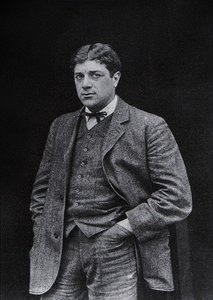
Georges Braque (1882-1963): Kübizm akımının kurucu üyesi ve fauvizm ustasıdır. İkonik eserleri arasında L'Estaque Evleri, Sabır ve Violin ve Palet bulunmaktadır. Modern sanatın temelini değiştiren yaratıcı bir sanatçı olarak tarihe geçmiştir.
§ 3Yorumlar
A Glimpse into Genesis: Deconstructing Form with Braque’s Untitled Cello (c. 1705)
Georges Braque's untitled sketch of around 1705 isn’t merely a study; it is a pivotal moment captured on paper, a visual articulation of the seismic shift occurring within the artist’s mind and, consequently, in the trajectory of modern art. It exists as a powerful precursor to Cubism, a delicate balance between representation and abstraction where the familiar forms of a cello and sheet music are dissected and re-presented through a lens of geometric inquiry. The work doesn't offer the comforting illusion of reality; instead, it presents us with fragments, planes, and lines that demand intellectual engagement rather than passive observation.
The Language of Lines and Planes
The composition is strikingly austere. A cello, dominating the upper left quadrant, isn’t rendered as a sensuous, organic form but as an assembly of angular shapes defined by rich red-brown tones. The strings are suggested not through texture or shading, but with precise, parallel lines—a deliberate emphasis on linearity over tactile sensation. Below it, a pale cream rectangle bearing the inscription ‘Aria de Bach’ overlaps with the cello's structure, creating a dynamic interplay of positive and negative space that disrupts traditional depth perception. This overlapping isn’t accidental; it is a key element in Braque’s dismantling of conventional pictorial space. The neutral grey background serves not as an environment but as an isolating force, intensifying the visual impact of these fragmented forms. Executed with visible pencil strokes, the sketch possesses a raw, unfinished quality that underscores its exploratory nature. This isn't a preparatory drawing *for* something else; it *is* the exploration itself—a rapid unfolding of thought manifested in line and plane.
Braque’s Intellectual Journey & The Dawn of Cubism
Born into a family of painters, Braque initially followed a traditional path before seeking a more intellectually rigorous approach to art. His early work flirted with Fauvism's bold colors, but he quickly moved beyond its purely emotional expression, drawn instead towards the structural foundations of painting. This untitled cello sketch falls squarely within this transitional period, preceding his full immersion into Cubism alongside Pablo Picasso. It demonstrates a growing fascination with reducing objects to their essential geometric components—an idea that would become central to the Cubist revolution. The choice of a cello and Bach’s music is significant; both represent order, structure, and intellectual discipline. By deconstructing these symbols, Braque seems to be questioning the very nature of harmony and representation itself. He isn't attempting to capture the joy of music or the beauty of an instrument but rather to analyze their underlying forms and challenge our perceptions.
A Statement for Modern Spaces
For collectors and designers, this piece—or a meticulously crafted reproduction—offers a sophisticated statement. Its monochromatic palette and geometric abstraction lend themselves seamlessly to modern and minimalist interiors. Beyond its aesthetic appeal, the artwork’s historical significance and intellectual depth make it a compelling conversation starter, appealing to those who appreciate art history and the evolution of abstract thought. It is a work that rewards close observation and contemplation—a testament to Braque's enduring legacy as a pioneer who dared to dismantle convention and forge a new visual language.
Soru ve Cevaplar
Georges Braque imzalı "untitled (1705)" hangi doygunluk ve yoğunluğu sergiliyor?
Georges Braque imzalı "untitled (1705)", Subtle Color doygunluk ve Monochromatic yoğunlukla kaydedilmiştir.
Georges Braque imzalı "untitled (1705)" bir tablo mu, çizim mi yoksa baskı mı?
Georges Braque imzalı "untitled (1705)", WallArt olarak sınıflandırılmaktadır. Bu kategori, eserin orijinalinin hangi türde bir sanat çalışması olduğunu tanımlar.
Georges Braque imzalı "untitled (1705)" eserinin renk doygunluğu nasıldır?
"untitled (1705)" eserinin renk paleti, Subtle Color düzeyinde bir doygunluğa sahiptir.


 Baskı Satışına Geç


 Herhangi bir kenarı 105 cm'den (yaklaşık 41 inç) büyük olan sanat eserleri veya reprodüksiyonlar için çerçeve, demonte edilmiş bir kit halinde gönderilecektir. Bu yöntem, güvenli teslimat sağlar ve taşıma sırasında oluşabilecek hasarları önler.


