


 Önizleme yap
 Paylaş
 Paylaş
 Detayları Gör
 Rehber

 İndir
İndir
 Benzerlerini gör
 X-Işını
 Slayt Gösterisi
 İstatistikler
Portrait of Jules Antoine Castagnary
 Oil
Oil- WallArt
- Realism
 1870
1870- 19th Century
 55.0 x 45.0 cm
 Tümünü Gör
El Yapımı Yağlı Boya Reproduksiyon
Sanatçılarımız tarafından sipariş üzerine hazırlanan; istediğiniz boyut ve çerçevede, tuval üzerine el boyaması yağlı boya. ( Baskı Moduna Geç Dijital Görsele Geç)




P118B $10

P118H $10

P118W $10

P438Z $10

P508JH $12

P508YH $12

P805H $10

P805Z $10

P919BZ $10

P919G $10

P919XJ $10

P959ZH $10

P968JZ $12

W106C $8

W218G $10

W218JH $8

W218Y $10

W307PJ $10

W316G $10

W316PJ $8

W316Y $10

W398PJ $8

W4111J $10

W500HY $15

W500JH $15

W692G $12

W849H $8

W940BG $15

W953PJ $8




Eserin orijinal oranlarıyla uyumlu, önceden belirlenmiş boyutlarımız arasından seçim yapın.

Belirli bir çerçeveye veya alana uyması için kendi boyutlarınızı girebilirsiniz. Seçtiğiniz boyut orijinal görüntünün oranlarıyla eşleşmiyorsa, sanat eserini kırparak veya ek el boyaması öğelerle resmi uzatarak ayarlayacağız. Üretim başlamadan önce onayınız için dijital bir taslak gönderilecektir.
Lütfen ekrandaki önizlemenin gerçek kırpmayı veya uzatmayı yansıtmadığını unutmayın. Nihai kompozisyonu yalnızca hazırlanan taslak doğru şekilde gösterecektir.
Özel boyutlar mevcut olsa da, orijinal oranları korumak adına önceden tanımlanmış listeden bir boyut seçmenizi öneririz.
Siparişten sonra, AllPaintingsStore.com ekibi talimatlar için müşteriye e-posta gönderecek ve bir taslak önizleme sunacaktır
Dünya Çapında Teslimat (); standart 5 hafta yerine 3/4 haftada. (21 Eylül). Kaliteden ödün verilmez.

Dünya Çapında Ücretsiz Ekspres Kargo

Yüksek Kaliteli Keten Tuval

Tam Kapsamlı Nakliye Sigortası

Gümrük Vergisi İade Garantisi

Gerçek Renk Uyumu Garantisi

100 Günlük İade Politikası (Sadece Kusurlu Ürünler İçin)

%100 Para İade Garantisi

Toplu Alım İndirimi
 Cam seçeneği yalnızca 110 cm altındaki boyutlar için mevcuttur.

Portrait of Jules Antoine Castagnary
Reproduksiyon Tekniği
Reproduksiyon Boyutu
-


Toplam Tutar
$ 258
Portrait of Jules Antoine Castagnary: A Window into Realist Thought
Gustave Courbet’s “Portrait of Jules Antoine Castagnary,” painted in 1870, is more than just a likeness; it's a carefully constructed tableau of intellect, political engagement, and the burgeoning spirit of Realism. This compelling work offers a rare glimpse into the world of late 19th-century Parisian art criticism and politics, revealing a complex interplay between subject and artist, observation and interpretation. The painting immediately draws the viewer in with its stark simplicity – a man, rendered with unflinching detail against a muted, almost monastic background – yet it’s within this apparent restraint that the true power of the portrait resides. The central figure is Jules Antoine Castagnary, a prominent French art critic and politician who played a pivotal role in championing the Realist movement. His association with Courbet wasn't merely professional; it represented a crucial intellectual alliance during an era of profound artistic and social change. Castagnary’s presence isn’t overtly celebratory – he is depicted with a stern, contemplative expression, his gaze direct and unwavering. This isn’t a flattering portrait designed to elevate the subject; rather, it's a study in character, capturing a man of considerable intellect and perhaps even a touch of melancholy. Courbet masterfully utilizes light and shadow to sculpt Castagnary’s face, emphasizing the lines etched by thought and experience. The dark suit and tie, symbols of his professional life as a critic and politician, ground him firmly within the societal context of the time. Courbet's approach is quintessential Realism – an unwavering commitment to depicting reality without idealization or romantic embellishment. He achieves this through a deliberate use of bold brushstrokes and a restrained palette dominated by earthy tones. The texture of Castagnary’s clothing, the subtle variations in skin tone, and the careful rendering of his facial features all speak to Courbet's meticulous observation and technical skill. Notice how the artist avoids smooth transitions; instead, he employs short, broken strokes that create a sense of immediacy and dynamism within the composition. This technique not only reflects the subject’s personality but also embodies the core tenets of Realism – a rejection of academic conventions in favor of direct, unvarnished observation. The simplicity of the background serves to heighten the focus on Castagnary himself, creating an intimate and intensely focused portrait experience. The painting's historical significance extends beyond its aesthetic qualities. It’s a product of a specific moment in French history – the twilight years of the Second Empire and the rise of republicanism. Castagnary was a vocal critic of the monarchy and a supporter of progressive ideals, aligning him with the intellectual currents that would ultimately lead to revolution. Courbet's decision to paint Castagnary reflects this shared commitment to challenging established norms and advocating for social change. The portrait can be interpreted as a subtle act of solidarity – a visual affirmation of their mutual belief in the power of art to illuminate truth and inspire reform. Furthermore, it’s important to consider the broader context of Courbet's artistic career, particularly his groundbreaking exhibition at the 1874 Salon, where he famously declared “I paint what I see, not what I should see.” This statement encapsulates the core philosophy behind "Portrait of Jules Antoine Castagnary," a testament to Courbet’s unwavering dedication to representing reality as it is, rather than imposing an idealized vision upon it.- Key Techniques: Bold brushstrokes, chiaroscuro (contrast between light and dark), meticulous detail in rendering textures.
- Symbolic Elements: The stern expression of Castagnary suggests intellect and seriousness; the dark attire represents his professional life.
- Historical Context: Reflects the political and intellectual climate of 1870, marked by republicanism and a challenge to traditional authority.
The Château-Musée Legacy and Beyond
“Portrait of Jules Antoine Castagnary” is not merely an isolated artwork; it’s part of a larger narrative – the story of Realism's rise in France and its enduring influence on subsequent artistic movements. The painting’s presence within the Château-Musée (France), a repository of significant artworks from various periods, underscores its historical importance and its place within the broader canon of French art. The museum’s collection provides valuable context for understanding Courbet's work in relation to other Realist painters like Jean-François Millet and Honoré Daumier. For those seeking to delve deeper into the world of Gustave Courbet, AllPaintingsStore offers exceptional reproductions of several key works, including “Cliffs at Étretat” (a dramatic landscape that showcases his mastery of color and composition) and a series of portraits capturing the diverse personalities of Parisian society. Gustave Courbet: Portrait of Jules Antoine Castagnary is available for purchase, allowing you to bring this iconic work into your own space and appreciate its nuances firsthand. Gustave Courbet: Cliffs at Étretat offers a contrasting yet equally compelling glimpse into the artist’s versatility and his ability to capture the beauty of the natural world.Bringing Realism Home: Reproduction Options & Artistic Detail
AllPaintingsStore specializes in meticulously crafted, hand-painted oil painting reproductions that faithfully recreate the spirit and artistry of original masterpieces. Our “Portrait of Jules Antoine Castagnary” reproduction is created using traditional techniques by skilled artisans who possess a deep understanding of Courbet’s style and approach. We offer this artwork in various sizes to suit your individual needs and preferences, ensuring that you receive a high-quality piece that will enhance any interior space.- Size Options: Available in 55 x 45 cm (21.7 x 17.7 inches) and other custom dimensions.
- Materials: Premium oil paints on archival canvas, stretched and gallery-wrapped for a museum-quality finish.
- Hand-Painted Reproduction: Each reproduction is meticulously hand-painted by experienced artists, ensuring the preservation of Courbet’s brushstrokes and textures.
Explore More Masterpieces – Discover AllPaintingsStore
Beyond “Portrait of Jules Antoine Castagnary,” AllPaintingsStore offers a vast collection of reproductions from renowned artists throughout history. Prilidiano Pueyrredón: A Stop in the Field and James McNeill Whistler are just a few examples of the diverse range of artistic styles available on AllPaintingsStore.com. Discover the Château-Musée (France) and its Impressive Art Collection to explore more about the museum and its collection, or visit our website today to browse our complete selection of hand-painted reproductions.Benzer Eserler


Sanatçı Özgeçmişi
Jean Désiré Gustave Courbet: Gerçekliğin Asi Fırçası
Orleans’ın sakin köyünde, 1819 yılının 10 Haziran’ında dünyaya gözlerini açan Jean Désiré Gustave Courbet, sanat dünyasının yerleşik normlarına karşı bir başkaldırı simgesi olarak yükseldi. Onun hikayesi sadece tuval ve boya üzerine kurulu değil; aynı zamanda toplumsal eleştiriler, siyasi inançlar ve gördüğü dünyanın tam olarak – idealize edilmemiş, ham ve derinlemesine gerçek – tasvir etme konusundaki sarsılmaz bağlılığıyla örülü bir anlatı. Görece müreffeh bir burjuva ailesinde büyüyen Courbet, sanatçı olma arzusunu destekleyen annesinden aldığı teşvik sayesinde, sanata adanmış bir hayat sürmeye başladı. 1839’da Paris Güzel Sanatlar Akademisi'nde (École des Beaux-Arts) resim eğitimi almaya başladığında, o dönemde hakim olan akademik geleneklere ve romantik ideallere karşı kısa sürede bir hoşnutsuzluk duymaya başladı. Eugène Delacroix ve Théodore Géricault gibi isimlerden etkilenmiş olsa da, kendi özgün yolunu çizdi; hayal gücünden ziyade gözleme öncelik veren, geleneğin yerine gerçeği koyan bir yolu izledi.Gerçekçiliğin Doğuşu: Sanatsal Kurallara Meydan Okumak
Courbet’nin sanatsal gelişimi, hakim olan estetik standartlara karşı bilinçli bir reddetmeyle işaretlendi. Mitolojik anlatılarla veya kahramanca alegorilerle ilgilenmiyordu; bakışları sıradan insanların gündelik yaşamlarına, özellikle de emek ve kırsal varoluşla uğraşanların hayatlarına sabitlenmişti. Bu bağlılık – daha sonra Gerçekçilik olarak bilinecek olan – dünyayı süsleme olmaksızın tasvir etme taahhüdü, başlangıçta alışılmışın dışında, idealize edilmiş temsillerle tanışık eleştirmenler tarafından alay ve küçümsemeyle karşılandı. Erken dönem eserleri manzaraları ve portreleri kapsarken, kısa sürede işçi sınıfının yaşamlarını tasvir eden sahnelere yöneldi; bu sahneler geleneksel olarak tarihi veya dini resimler için ayrılan anıtsal bir ölçekte sunuldu. Bu bilinçli seçim sadece stilistik bir tercih değildi; sıklıkla göz ardı edilen bu konuların özünde yatan onuru ve önemi ifade eden bir beyandı. 1849’da tamamlanmış, ancak II. Dünya Savaşı sırasında trajik bir şekilde yok olan Taş Kırıcılar (The Stone Breakers), bu yaklaşımı örneklendirdi – tükenmişlik ve zorluklarla yüzleri belirsiz iki işçinin acımasız bir tasviri. Bu tablo, Ornans’da Bir Cenaze (A Burial at Ornans) gibi diğerleriyle birlikte sanat için “değerli” olan şeyin tanımını sorguladı.Başlıca Eserler ve Sanatsal Felsefe
1850-51 yıllarında sergilendiğinde Ornans’da Bir Cenaze, tipik olarak büyük tarihi resimler için ayrılan devasa bir tuval üzerinde, acımasız gerçekçiliği ve duygusal idealizmin eksikliğiyle izleyicileri şaşkına çevirdi. Courbet, yaslıları soylu veya kederli figürler olarak tasvir etmedi; onları duygu, sıkıntı ve teslimiyetin karışımıyla yüzleri kazınmış sıradan insanlar olarak sundu. Bu dürüstlük devrim niteliğindeydi. Sanatsal felsefesi konu konusundaki taahhüdün ötesine geçerek tekniği de kapsadı; doğrudan, impasto tarzını tercih etti – boyayı tuval üzerine kalın bir şekilde uygulayarak aracın maddi özelliklerini vurguladı. 1855 yılında sanatsal inançlarını ve çağdaş toplumsal konularla olan etkileşimini yansıtan alegorik bir çalışma olan Ressamın Atölyesi (The Painter’s Studio), onu kışkırtıcı ve bağımsız bir sanatçı olarak pekiştirdi. 1863 yılında resmi Salon tarafından reddedilen eserlerin sergilendiği Salon des Refusés'ye katılımı, onun bir başkaldırı sembolü ve sanatsal özgürlüğün savunucusu olma statüsünü sağladı. Fontainebleau Ormanı’ndaki Manzara (View in the Forest of Fontainebleau) gibi manzaralar bile romantizmden uzaklaşarak ormanın doğal güzelliğini yakalayan bir gerçekçilik duygusuyla yoğrulmuştu.Mirası ve Tarihi Önemi
Gustave Courbet’nin sonraki sanat akımları üzerindeki etkisi yadsınamaz. Caravaggio'dan ilham alsa da, onun dramatik gerçekçiliği ve ışık ve gölge kullanımı sadece taklitçi değildi. Geleneksel temsillerin kısıtlamalarından onları kurtararak Empresyonistleri ve Post-Empresyonistleri etkiledi ve dünyayı görme ve tasvir etme konusunda yeni yollar keşfetmelerini teşvik etti. Toplumsal eleştirisine olan vurgusu, çalışmalarını siyasi aktivizm için bir platform olarak kullanan daha sonraki toplumsal açıdan bilinçli sanatçıların önünü açtı. Courbet sadece bir ressam değil; aynı zamanda sanatsal özgürlük ve siyasi değişim için sesli bir savunucuydu ve 1871 Paris Komünü de dahil olmak üzere döneminin çalkantılı olaylarına aktif olarak katıldı – bu katılım, İsviçre'ye sürgünle sonuçlandı. 1877’de hayata veda ettiğinde, günümüzde hala izleyicileri ilham veren ve kışkırtan bir eser yığını bırakarak geride bıraktı.- Gerçekçiliğin öncüsü
- Akademik kurallara meydan okudu
- Empresyonizm & Post-Empresyonizmi etkiledi
- Sanatsal özgürlüğün savunucusu
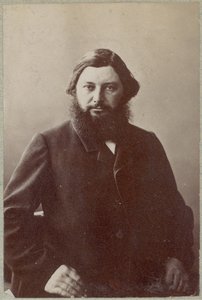
Gustave Courbet
1819 - 1877 , Fransa
Kısa Bilgiler
- Artistic Movement Or Style: Gerçekçilik
- Artists Or Movements Influenced By This Artist:
- İmpresyonizm
- Post-Empresyonizm
- Artists Who Influenced This Artist:
- Delacroix
- Géricault
- Caravaggio
- Date Of Birth: 31 Temmuz 1819
- Date Of Death: 29 Nisan 1877
- Full Name: Gustave Courbet
- Nationality: Fransız
- Notable Artworks:
- Taş Kırıcılar
- Ornans'da Bir Cenaze
- Ressamın Atölyesi
- Place Of Birth: Ornans, Fransa
İlgili Makaleler

Gustave Courbet: Realism's Revolutionary Vision & the Social Canvas of 19th-Century France
Explore the revolutionary art of Gustave Courbet, pioneer of Realism. Discover his iconic paintings, social commentary, and lasting impact on 19th-century French art history. Expert analysis & insights.

The Poetic Truth of Observation: Exploring 19th-Century Realism in Painting
Explore the captivating world of 19th-century Realism! Discover key artists like Courbet & Millet, masterpieces, and the powerful social commentary behind this influential art movement. Expert insights at AllPaintingsStore.

Romantic Realism's Finest: 10 Masterpieces for Your Home | AllPaintingsStore
Explore 10 defining masterpieces of Romantic Realism! Discover Courbet, Millet & Daumier's powerful paintings—capturing emotion and social realities. Find museum-quality reproductions for your home at AllPaintingsStore.com.

Gerçekçiliğin İzleri: Evinizi Sanatla Taşıyan 10 Başyapıt
Gerçekçiliğin zirvesi! Courbet, Millet ve daha fazlasıyla 10 başyapıtı keşfedin. Sanat tarihinin en etkileyici eserleri ile evinizi dönüştürün. AllPaintingsStore.com'da online tablo koleksiyonunu inceleyin!

The Enduring Appeal of Realism: Technique, History & Emotional Resonance in Representational Art
Explore the captivating world of Realism! Discover key artists like Courbet & Millet, masterpieces, and the social commentary behind this influential art movement. Expert insights for collectors & enthusiasts.


