


 Önizle
 Gönder
 Paylaş
 Detaylar
 Rehber

 Dosyayı İndir
 Benzerleri
 X-Işını
 Slayt Gösterisi
 İstatistikler
Centaures


 Devamını Oku
Giclée / Sanat Baskısı
Hızlı üretim ve esnek bitiş seçenekleriyle müze kalitesinde giclée veya kanvas baskı. ( El Yapımı Tablo Satın Al Dijital Görsel Satışına Geç)




P118B ₺10

P118H ₺10

P118W ₺10

P438Z ₺10

P508JH ₺12

P508YH ₺12

P805H ₺10

P805Z ₺10

P919BZ ₺10

P919G ₺10

P919XJ ₺10

P959ZH ₺10

P968JZ ₺12

W106C ₺8

W218G ₺10

W218JH ₺8

W218Y ₺10

W307PJ ₺10

W316G ₺10

W316PJ ₺8

W316Y ₺10

W398PJ ₺8

W4111J ₺10

W500HY ₺15

W500JH ₺15

W692G ₺12

W849H ₺8

W940BG ₺15

W953PJ ₺8




Eserin orijinal oranlarıyla uyumlu, önceden belirlenmiş boyutlarımız arasından seçim yapın.

Çerçevenize veya duvarınıza uygun olması için ihtiyacınız olan genişlik ve yüksekliği yazın. Bir baskı yalnızca kesilebilir, görselden daha büyük hale getirilemez; bu nedenle farklı bir formdaki boyut seçimi, görselin bir kısmının kaybına neden olur. Herhangi bir baskı yapmadan önce onaylamanız için size bir dijital taslak gönderiyoruz. Bu sayfada gösterilen resim gerçek kesimi göstermez — bunu yalnızca taslak gösterir.
Dünya Çapında Teslimat (); standart 4/5 hafta yerine 2 haftada. (25 Ekim)

Dünya Çapında Ücretsiz Ekspres Kargo

Yüksek Kaliteli Keten Tuval

Tam Nakliye Sigortası

Gümrük Vergisi İadesi Garantisi

Gerçek Renk Uyumu Garantisi

100 Günlük İade Koşulları (Sadece Üretim Hatalı Ürünler İçin)

%100 Para İade Garantisi

Toplu Alım Avantajı
 Cam seçeneği yalnızca 110 cm altındaki boyutlar için mevcuttur.

Centaures
Giclée / Sanat Baskısı
Baskı Boyutu
-


Toplam Fiyat
₺ 3131
Gustave Moreau’s “Centaures”: A Descent into Mythic Realms
Gustave Moreau's "Centaures" is not merely a depiction of mythological figures; it’s an immersion into the richly layered symbolism and emotional intensity that defined the Symbolist movement. Painted during a pivotal moment in artistic history – between the waning influence of Realism and the burgeoning explorations of Modernism – this work exemplifies Moreau’s profound engagement with ancient myths, religious iconography, and the darker recesses of the human psyche. Born in Paris in 1826, Moreau rejected the objective observation favored by his contemporaries, instead choosing to construct worlds populated by dreamlike figures and potent allegories. “Centaures” embodies this approach perfectly, offering a glimpse into a realm where primal instincts and spiritual anxieties collide.
- Subject Matter: The painting centers on the iconic Greek myth of the Centaurs – half-human, half-horse creatures known for their wildness and untamed nature. Moreau doesn't present them as heroic warriors; rather, he captures a moment of raw power and unsettling beauty within a vast, primeval landscape.
- Style & Technique: Moreau’s style is immediately recognizable – characterized by opulent color palettes, intricate detail, and a deliberate avoidance of naturalistic representation. He employs a meticulous technique, layering brushstrokes to create a sense of depth and texture that draws the viewer into the scene. The figures are rendered with an almost sculptural quality, emphasizing their physicality and imposing presence.
Symbolism and Mythological Resonance
Moreau’s use of symbolism is central to understanding “Centaures.” The centaurs themselves represent a potent blend of human intellect and animal instinct – a recurring theme in Moreau's work, reflecting his fascination with the duality of human nature. The wilderness setting—trees stretching into the distance, suggesting an untamed and potentially dangerous world—further amplifies this symbolism. The inclusion of a soaring bird adds another layer of meaning, often interpreted as representing aspiration, freedom, or even divine intervention. It’s crucial to remember that Moreau wasn't simply illustrating a myth; he was using it as a vehicle for exploring profound philosophical and psychological questions.
- Color Palette: The rich, jewel-toned colors – deep reds, blues, and golds – contribute significantly to the painting’s evocative atmosphere. These hues were not chosen for their representational accuracy but rather for their symbolic associations—red representing passion and danger, blue signifying spirituality and mystery, and gold symbolizing divinity and power.
- Composition: The composition itself is deliberately unbalanced, creating a sense of unease and instability. This reflects the chaotic nature of the centaurs’ world and mirrors Moreau's own artistic intention to disrupt conventional notions of beauty and harmony.
Historical Context & Moreau’s Vision
“Centaures” was created during a period of intense intellectual ferment in Paris, fueled by the rise of occultism, spiritualism, and a renewed interest in ancient mythology. Moreau's work aligns with the broader Symbolist movement, which sought to express subjective emotions and ideas through symbolic imagery rather than objective representation. He was deeply influenced by artists like William Blake and Arnold Böcklin, both of whom explored similar themes of myth, dream, and the subconscious. Moreau’s artistic vision was profoundly personal; he aimed to create works that would resonate with viewers on a deep emotional level, inviting them to contemplate the mysteries of existence.
Emotional Impact & Artistic Value
Moreau's "Centaures" possesses a haunting beauty and undeniable power. It’s a painting that demands attention, prompting reflection on themes of primal instinct, spiritual struggle, and the enduring allure of myth. This artwork represents a significant contribution to Symbolist art and offers a rare glimpse into the creative mind of one of France's most enigmatic artists. A hand-painted reproduction captures not only the visual splendor of Moreau’s masterpiece but also the emotional depth and intellectual complexity that make it so compelling.
Soru ve Cevaplar
Gustave Moreau imzalı "Centaures" eserinin renkleri nasıl bir duygu uyandırıyor?
Gustave Moreau imzalı "Centaures", Earthy bir paleti Mysterious bir tonla birleştiriyor.
Gustave Moreau imzalı "Centaures" için hangi baskı düzeni öneriliyor?
Gustave Moreau imzalı "Centaures" eserinin Landscape yönlendirmesinde, Large boyutunda basılması önerilir.
Gustave Moreau imzalı "Centaures" eserinin renk kompozisyonu nasıl kurgulanmıştır?
Gustave Moreau imzalı "Centaures" eserinin renk kompozisyonu, Statement bir kontrast ile Balanced Harmony bir uyumu bir araya getiriyor.
İlgili Eserler


Sanatçı Biyografisi
A Dream Weaver of Symbolism: The Life and Art of Gustave Moreau
Gustave Moreau, a name synonymous with the ethereal beauty and enigmatic depths of Symbolist painting, emerged from 19th-century Paris as a singular artistic voice. Born in 1826 into a bourgeois family—his father an architect and archivist—Moreau’s early life was steeped in intellectual curiosity and aesthetic sensibility. From a young age, he displayed a remarkable gift for drawing, nurtured through traditional academic training at the École des Beaux-Arts under figures like François-Édouard Picot. However, Moreau's artistic path would diverge sharply from the prevailing Realist and Impressionist currents of his time. He wasn’t interested in capturing fleeting moments or objective reality; instead, he sought to unlock the hidden realms of myth, religion, and the human psyche through a deeply personal and symbolic visual language. His journey was one of inward exploration, translating subjective emotions and spiritual yearnings onto canvas with an obsessive attention to detail and a vibrant, often opulent palette.The Forge of Imagination: Influences and Artistic Development
Moreau’s artistic development wasn't born in a vacuum. While rejecting the dominant trends of his era, he drew inspiration from diverse sources. The dramatic use of color and exotic subject matter found in the works of Eugène Delacroix resonated deeply with him, igniting a passion for narrative painting imbued with emotional intensity. He also held Renaissance masters like Michelangelo and Leonardo da Vinci in high esteem, admiring their mastery of composition, anatomy, and psychological insight. Yet, Moreau wasn’t merely imitating these artists; he was synthesizing their influences into something entirely new. His travels to Italy in the 1850s proved pivotal, immersing him in the art of antiquity and the Renaissance, providing a wealth of motifs and stylistic cues that would populate his future works. He meticulously copied Old Master paintings, not as an exercise in replication, but as a means of absorbing their techniques and unlocking their secrets. This dedication to craft, combined with his burgeoning interest in mythology and literature, laid the foundation for his unique artistic vision. Moreau’s formative years were marked by a profound engagement with intellectual currents—particularly Neo-Platonism—which profoundly shaped his worldview and informed his artistic practice. Influenced by thinkers like Plato and Plotinus, Moreau believed that art possessed the capacity to elevate the soul beyond the limitations of earthly existence, striving for transcendence through symbolic representation. This conviction fueled his relentless pursuit of stylistic innovation and aesthetic grandeur, propelling him toward the forefront of Symbolist painting. His early training at the École des Beaux-Arts instilled in him a disciplined approach to artistic technique—a cornerstone of his distinctive style—while fostering connections with fellow artists who shared his passion for exploring psychological depths and spiritual mysteries. The friendship he cultivated with Théodore Chassériau, a kindred spirit captivated by Delacroix’s expressive power, served as an invaluable catalyst for artistic experimentation and collaborative creativity.A World of Symbols: Themes and Techniques
Moreau's paintings are not simply illustrations of myths or biblical stories; they are complex allegories that invite contemplation and interpretation. He delved into narratives like those of Salome, Orpheus, Jupiter and Semele, and countless others, not to retell them literally, but to explore their underlying psychological and spiritual truths. His canvases teem with symbolic imagery—serpents representing temptation, jewels signifying earthly desires, and figures embodying abstract concepts like grief, loss, or redemption. He masterfully created a dreamlike atmosphere through intricate detail, rich textures, and an often unsettling juxtaposition of light and shadow. Moreau’s technique was characterized by meticulous layering of paint, creating surfaces that shimmer with iridescent colors and evoke a sense of otherworldly beauty. His use of gold leaf further enhanced this effect, lending his works a Byzantine quality that underscored their spiritual dimension. He wasn't concerned with capturing realistic textures or perspectives; instead, he prioritized the expressive power of color and form to convey mood and meaning. Moreau’s artistic output spanned decades—producing over 15,000 paintings, watercolors, and drawings—a testament to his unwavering commitment to creative exploration. His stylistic evolution mirrored broader trends in European art during the latter half of the 19th century—moving from Academic Realism toward Symbolist abstraction while retaining a fascination with classical motifs and Byzantine influences. He achieved considerable renown for his depictions of biblical figures and mythological subjects, earning recognition at the Paris Salon and establishing himself as one of the most prominent artists of his generation. His enduring legacy resides not merely in the sheer volume of his artistic creations but also in their profound exploration of human psychology and spiritual yearning—a contribution that continues to inspire artists and scholars alike. ## Notable Works- Salome Dancing before Herod: Perhaps his most famous work, this painting exemplifies Moreau’s opulent style and fascination with biblical narratives.
- Jupiter and Semele: A dramatic depiction of the Greek myth, showcasing Moreau's mastery of composition and color.
- Orpheus: Several paintings by Moreau explore the myth of Orpheus, reflecting themes of loss, grief, and artistic inspiration.
- The Apparition: Demonstrates his skill in creating ethereal and otherworldly scenes.
- Desdemona: A poignant portrayal of Shakespeare's tragic heroine.
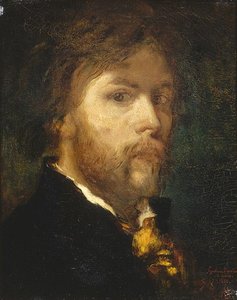
Gustave Moreau
1826 - 1898 , Fransa
Kısa Bilgiler
- Artistic Movement Or Style: Sembolizm
- Artists Who Influenced This Artist:
- Eugène Delacroix
- Michelangelo
- Leonardo da Vinci
- Date Of Birth: 6 Nisan 1826
- Date Of Death: 18 Nisan 1898
- Full Name: Gustave Moreau
- Nationality: Fransa
- Notable Artworks:
- Salome Dansante devant Hérod
- Jupiter et Sémèle
- Orphée
- Place Of Birth: Paris, Fransa
İlgili Yazılar

Giclée Prints: Archival Quality & Aesthetic Nuances for the Discerning Collector
Explore the world of giclée prints with AllPaintingsStore. Learn about archival quality, aesthetic nuances & investment potential. Expert guidance for discerning art collectors seeking museum-quality reproductions and lasting value.

Gustave Moreau: Symbolism's Enigmatic Visionary & Precursors of Modern Fantasy Art
Explore the captivating world of Gustave Moreau, the leading Symbolist painter. Discover his iconic masterpieces, influences, and lasting legacy. Expert analysis for collectors & art enthusiasts.

Echoes of Time: Exploring the Enduring Appeal & Historical Context of Vintage Art Prints
Explore the captivating world of vintage art prints! Discover their history, collecting tips & enduring appeal. Expert insights on chromolithography and building a legacy collection with AllPaintingsStore.

The Enduring Legacy of Fine Art Prints: Technique, History & Aesthetic Impact
Explore the rich history & techniques of fine art prints. Discover investment potential, assess authenticity, and learn how to preserve your collection with expert guidance. Trusted insights for discerning collectors.

The Enduring Legacy of Printmaking: Techniques, Themes & Artistic Innovation Across Centuries
Explore the rich history of printmaking with AllPaintingsStore. Discover techniques from intaglio to lithography, learn about collecting valuable prints & find museum-quality reproductions. Expert insights for art enthusiasts and collectors.


