


 Gerçek Boyutta Önizle
 Paylaş
 Paylaş
 Detayları Gör
 Rehber

 İndir
İndir
 Benzer ürünler
 X-Işını
 Slayt Gösterisi
 Soru & Cevap
 İstatistikler
The Sphinx

- 105.0 x 206.0 cm


 Tümünü Gör
Web önizlemesinin çok ötesinde, baskıya hazır bir dosya edinin. Sattığımız her dijital görüntü, stok veri tabanımızdaki yüksek çözünürlüklü bir ana dosyadan —genellikle 5.000 ila 15.000 piksel genişliğinde— gelir; böylece büyük boyutlarda baskı alabilir, dar kırpmalar yapabilir veya ince detayları güvenle yeniden üretebilirsiniz.
Stüdyomuzdan çıkan hiçbir dosya işlenmeden çıkmaz. Bir dijital uzman, renkleri orijinal tabloyla karşılaştırarak kontrol eder ve gerekirse düzeltir; ardından profesyonel rötuş araçlarıyla netliği ve detayları artırır — bunu yaparken her zaman sanatçının fırça darbelerine ve üslubuna sadık kalır. Sonuç, filtrelenmiş bir tarama gibi değil, bizzat tablonun kendisi gibi görünen bir görüntüdür.
İşlem tamamlanmadan önce onayınız alınır: Uzmanımız, incelemeniz için görseli 72 saat içinde e-posta ile gönderir. Memnun kalmadınız mı? İyileştirme veya düzeltme talep edebilir ya da kalite beklentinizin altında kalırsa iade isteyebilirsiniz.
Yayıncıların, tasarım stüdyolarının, galerilerin ve matbaaların güvendiği kalite budur.
Dijital Görsel Sanatlar
Kişisel kullanım, baskı ve yaratıcı projeleriniz için yüksek çözünürlüklü bir dosya indirin. ( Baskı Satışına Geç El Yapımı Tablo Satın Al)
Her Dijital Görüntü Siparişine Dahil Olanlar
Uzman Dijital Teslimat Garantisi
AllPaintingsStore.com seçtiğinizde, sadece bir görsel edinmekle kalmaz; titizlikle hazırlanmış, profesyonelce iyileştirilmiş dijital bir sanat eserine sahip olur ve memnuniyet garantisiyle güvence altına alınırsınız. Siparişinizle birlikte otomatik olarak sunulan her şey şunlardır:

Hızlı E-posta ile Teslimat
Yüksek çözünürlüklü dijital görüntü dosyanız, siparişinizin ardından en geç 72 saat içinde e-posta ile size gönderilecek ve hemen kullanıma hazır olacaktır.

Yapay Zeka Destekli Dijital Görüntü İşleme
Sanat eseriniz; maksimum detay, netlik ve renk doğruluğu sağlamak amacıyla gelişmiş yapay zeka araçları ve manuel düzenleme kullanılarak profesyonelce optimize edilmektedir.

Ömür Boyu Ücretsiz Yeniden Gönderim
Dosyanızı yanlışlıkla mı sildiniz yoksa kayıp mı oldu? Endişelenmeyin; dosyanızı dilediğiniz zaman size ücretsiz olarak tekrar göndereceğiz.

Hiçbir Zaman İthalat Ücreti Ödemeyin
Sanat eserinizin tadını gümrük vergisi, harç veya teslimat ücreti ödemeden anında çıkarın; dijital indirmeler her zaman vergiden muaftır.

Renk Doğruluğu Garantisi
Profesyonel araçlar ve renk yönetimi kullanarak dijital görselinizin orijinal renklere mümkün olduğunca yakın yansıtılmasını sağlıyoruz.

100 Günlük Memnuniyet Garantisi
If you're not satisfied with your digital image, we'll revise it or refund 100% within 100 days - no questions asked.

100% Para İadesi Garantisi
Memnun kalmadınız mı? Dijital dosyanızı teslim aldıktan sonraki 100 gün içinde, hiçbir soru sorulmaksızın tam para iadesi alabilirsiniz.

Toplu Sipariş İndirimleri
Buy 3 images, save 10% - Buy 5, save 15% - Buy 10+, save 20%. Great for creative projects, galleries, and agencies.
A Dream Weaver’s Vision: Introducing The Sphinx
Gustave Moreau's The Sphinx, painted in 1864, isn’t merely a depiction of the legendary creature; it’s an immersion into a realm of potent myth and deeply personal symbolism. This captivating work, housed within the Clemens-Sels-Museum in Neuss, Germany, stands as a cornerstone of the Symbolist movement – a period defined by its rejection of realism in favor of exploring the hidden depths of the human psyche and the power of allegory. Moreau, a master of evocative imagery and layered meaning, invites us into a world where gods and mortals intertwine, and mysteries linger just beyond our grasp.

Decoding the Symbol: The Sphinx as Guardian
Moreau’s Sphinx isn't a straightforward representation of the ancient Greek beast; it’s a carefully constructed embodiment of enigma and protection. Seated atop a rugged, almost primordial cliff face overlooking an endless expanse of ocean, she embodies a watchful guardianship. Her wings, reminiscent of both angels and birds of prey, suggest a connection to the divine yet also hint at a predatory instinct. The figures surrounding her – angelic forms and other mythological creatures – aren’t merely decorative; they contribute to the painting's atmosphere of otherworldly wonder and underscore the Sphinx’s role as a gatekeeper between realms.
The central mystery lies in what she guards. While the exact nature of this secret remains deliberately obscured, it speaks to the core themes of Moreau’s Symbolist work: the pursuit of hidden knowledge, the confrontation with the unknown, and the inherent ambiguity of existence. The composition itself is meticulously crafted – a deliberate layering of visual cues designed to stimulate interpretation and contemplation.
A Masterclass in Symbolism: Technique and Influence
Moreau’s technique is as captivating as his subject matter. Executed in oil on canvas, the painting showcases his mastery of rich color palettes—deep blues, ochres, and greens—and intricate brushwork that creates a palpable sense of texture and depth. He employs a technique reminiscent of Renaissance masters like Mantegna, imbuing the scene with an archaic quality while simultaneously forging a distinctly modern Symbolist aesthetic. The use of muted tones and carefully placed highlights draws the viewer’s eye to key elements, guiding their gaze through the complex composition.
The Sphinx profoundly influenced subsequent generations of artists, including Matisse and Rouault, who were drawn to Moreau's ability to infuse everyday subjects with symbolic weight. It stands as a testament to his pioneering role in shaping the Symbolist movement and his enduring legacy as a visionary artist.
Beyond the Canvas: Context and Legacy
Considered one of Moreau’s earlier works, The Sphinx foreshadows the more elaborate and intensely personal symbolism that would characterize his later paintings. It's important to note that Moreau was deeply influenced by mythology, religion, and literature—particularly the works of Dante and Shakespeare—and these influences permeate his art. His fascination with the darker aspects of human experience – loss, despair, and the struggle for meaning – is powerfully conveyed through this evocative image.
Today, reproductions of The Sphinx offer a unique opportunity to bring Moreau’s dreamlike world into your home or office. AllPaintingsStore offers meticulously hand-painted reproductions that capture the painting's original beauty and symbolic depth, allowing you to experience the power of this iconic artwork firsthand.
Soru ve Cevaplar
Gustave Moreau imzalı "The Sphinx", Symbolist Painting akımını sanatçının ana vatanıyla nasıl ilişkilendiriyor?
"The Sphinx", yaratıcısının doğum yeri üzerinden Symbolist Painting akımını Fransa ile ilişkilendiriyor.
Gustave Moreau imzalı "The Sphinx" hangi duyguyu hissettiriyor?
"The Sphinx", Mysterious bir duyguyla ilişkilendirilir. Duygusal ton, eserin uyandırdığı izlenimi tanımlar.
Orijinal Gustave Moreau imzalı "The Sphinx" eseri hangi teknikle ve hangi boyutlarda yapılmıştır?
"The Sphinx", Acrylic On Canvas tekniğiyle üretilmiştir ve orijinal boyutları 105 x 206 cm ölçülerindedir.
Benzer Eserler


Sanatçı Özgeçmişi
A Dream Weaver of Symbolism: The Life and Art of Gustave Moreau
Gustave Moreau, a name synonymous with the ethereal beauty and enigmatic depths of Symbolist painting, emerged from 19th-century Paris as a singular artistic voice. Born in 1826 into a bourgeois family—his father an architect and archivist—Moreau’s early life was steeped in intellectual curiosity and aesthetic sensibility. From a young age, he displayed a remarkable gift for drawing, nurtured through traditional academic training at the École des Beaux-Arts under figures like François-Édouard Picot. However, Moreau's artistic path would diverge sharply from the prevailing Realist and Impressionist currents of his time. He wasn’t interested in capturing fleeting moments or objective reality; instead, he sought to unlock the hidden realms of myth, religion, and the human psyche through a deeply personal and symbolic visual language. His journey was one of inward exploration, translating subjective emotions and spiritual yearnings onto canvas with an obsessive attention to detail and a vibrant, often opulent palette.The Forge of Imagination: Influences and Artistic Development
Moreau’s artistic development wasn't born in a vacuum. While rejecting the dominant trends of his era, he drew inspiration from diverse sources. The dramatic use of color and exotic subject matter found in the works of Eugène Delacroix resonated deeply with him, igniting a passion for narrative painting imbued with emotional intensity. He also held Renaissance masters like Michelangelo and Leonardo da Vinci in high esteem, admiring their mastery of composition, anatomy, and psychological insight. Yet, Moreau wasn’t merely imitating these artists; he was synthesizing their influences into something entirely new. His travels to Italy in the 1850s proved pivotal, immersing him in the art of antiquity and the Renaissance, providing a wealth of motifs and stylistic cues that would populate his future works. He meticulously copied Old Master paintings, not as an exercise in replication, but as a means of absorbing their techniques and unlocking their secrets. This dedication to craft, combined with his burgeoning interest in mythology and literature, laid the foundation for his unique artistic vision. Moreau’s formative years were marked by a profound engagement with intellectual currents—particularly Neo-Platonism—which profoundly shaped his worldview and informed his artistic practice. Influenced by thinkers like Plato and Plotinus, Moreau believed that art possessed the capacity to elevate the soul beyond the limitations of earthly existence, striving for transcendence through symbolic representation. This conviction fueled his relentless pursuit of stylistic innovation and aesthetic grandeur, propelling him toward the forefront of Symbolist painting. His early training at the École des Beaux-Arts instilled in him a disciplined approach to artistic technique—a cornerstone of his distinctive style—while fostering connections with fellow artists who shared his passion for exploring psychological depths and spiritual mysteries. The friendship he cultivated with Théodore Chassériau, a kindred spirit captivated by Delacroix’s expressive power, served as an invaluable catalyst for artistic experimentation and collaborative creativity.A World of Symbols: Themes and Techniques
Moreau's paintings are not simply illustrations of myths or biblical stories; they are complex allegories that invite contemplation and interpretation. He delved into narratives like those of Salome, Orpheus, Jupiter and Semele, and countless others, not to retell them literally, but to explore their underlying psychological and spiritual truths. His canvases teem with symbolic imagery—serpents representing temptation, jewels signifying earthly desires, and figures embodying abstract concepts like grief, loss, or redemption. He masterfully created a dreamlike atmosphere through intricate detail, rich textures, and an often unsettling juxtaposition of light and shadow. Moreau’s technique was characterized by meticulous layering of paint, creating surfaces that shimmer with iridescent colors and evoke a sense of otherworldly beauty. His use of gold leaf further enhanced this effect, lending his works a Byzantine quality that underscored their spiritual dimension. He wasn't concerned with capturing realistic textures or perspectives; instead, he prioritized the expressive power of color and form to convey mood and meaning. Moreau’s artistic output spanned decades—producing over 15,000 paintings, watercolors, and drawings—a testament to his unwavering commitment to creative exploration. His stylistic evolution mirrored broader trends in European art during the latter half of the 19th century—moving from Academic Realism toward Symbolist abstraction while retaining a fascination with classical motifs and Byzantine influences. He achieved considerable renown for his depictions of biblical figures and mythological subjects, earning recognition at the Paris Salon and establishing himself as one of the most prominent artists of his generation. His enduring legacy resides not merely in the sheer volume of his artistic creations but also in their profound exploration of human psychology and spiritual yearning—a contribution that continues to inspire artists and scholars alike. ## Notable Works- Salome Dancing before Herod: Perhaps his most famous work, this painting exemplifies Moreau’s opulent style and fascination with biblical narratives.
- Jupiter and Semele: A dramatic depiction of the Greek myth, showcasing Moreau's mastery of composition and color.
- Orpheus: Several paintings by Moreau explore the myth of Orpheus, reflecting themes of loss, grief, and artistic inspiration.
- The Apparition: Demonstrates his skill in creating ethereal and otherworldly scenes.
- Desdemona: A poignant portrayal of Shakespeare's tragic heroine.
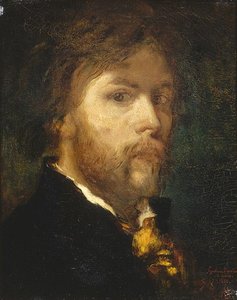
Gustave Moreau
1826 - 1898 , Fransa
Kısa Bilgiler
- Artistic Movement Or Style: Sembolizm
- Artists Who Influenced This Artist:
- Eugène Delacroix
- Michelangelo
- Leonardo da Vinci
- Date Of Birth: 6 Nisan 1826
- Date Of Death: 18 Nisan 1898
- Full Name: Gustave Moreau
- Nationality: Fransa
- Notable Artworks:
- Salome Dansante devant Hérod
- Jupiter et Sémèle
- Orphée
- Place Of Birth: Paris, Fransa