


 Önizle
 Gönder
 Paylaş
 Detaylar
 Rehber

 Dosyayı İndir
 Benzerleri
 X-Işını
 Slayt Gösterisi
 İstatistikler
The Studio under the Eaves


 Devamını Oku
El Yapımı Yağlı Boya Reproduksiyon
Sanatçılarımız tarafından sipariş üzerine hazırlanan; istediğiniz boyut ve çerçevede, tuval üzerine el boyaması yağlı boya. ( Baskı Satışına Geç Dijital Görsel Satışına Geç)




P118B ₺10

P118H ₺10

P118W ₺10

P438Z ₺10

P508JH ₺12

P508YH ₺12

P805H ₺10

P805Z ₺10

P919BZ ₺10

P919G ₺10

P919XJ ₺10

P959ZH ₺10

P968JZ ₺12

W106C ₺8

W218G ₺10

W218JH ₺8

W218Y ₺10

W307PJ ₺10

W316G ₺10

W316PJ ₺8

W316Y ₺10

W398PJ ₺8

W4111J ₺10

W500HY ₺15

W500JH ₺15

W692G ₺12

W849H ₺8

W940BG ₺15

W953PJ ₺8




Eserin orijinal oranlarıyla uyumlu, önceden belirlenmiş boyutlarımız arasından seçim yapın.

Çerçevenize veya duvarınıza uygun olması için ihtiyacınız olan genişliği ve yüksekliği yazın. Bu eser el boyamasıdır; bu nedenle farklı bir formdaki boyutlar için sanatçı, resmin etrafına biraz daha fazla boya ekleyebilir veya biraz daha kırpabilir — seçim sizin. Boyama işlemi başlamadan önce onaylamanız için size bir dijital taslak gönderiyoruz. Bu sayfada gösterilen resim gerçek sonucu yansıtmamaktadır — gerçek sonucu yalnızca taslak göstermektedir.
Siparişten sonra, AllPaintingsStore.com ekibi talimatlar için müşteriye e-posta gönderecek ve bir taslak önizleme sunacaktır
Dünya Çapında Teslimat (); standart 5 hafta yerine 3/4 haftada. (25 Ekim). Kaliteden ödün verilmez.

Dünya Çapında Ücretsiz Ekspres Kargo

Yüksek Kaliteli Keten Tuval

Tam Nakliye Sigortası

Gümrük Vergisi İadesi Garantisi

Gerçek Renk Uyumu Garantisi

100 Günlük İade Koşulları (Sadece Üretim Hatalı Ürünler İçin)

%100 Para İade Garantisi

Toplu Alım Avantajı
 Cam seçeneği yalnızca 110 cm altındaki boyutlar için mevcuttur.

The Studio under the Eaves
Baskı Tekniği
Baskı Boyutu
-


Toplam Fiyat
₺ 12619
A Glimpse into the Soul: Henri Matisse’s “The Studio under the Eaves”
Henri Matisse's "The Studio under the Eaves," painted around 1903, isn’t merely a depiction of an artist’s workspace; it’s a profound meditation on creativity, solitude, and the very essence of artistic struggle. This intimate scene, rendered in the heart of Matisse’s early career, offers a rare and compelling window into the mind of a master grappling with his own artistic identity. The painting immediately draws the viewer inward, enveloped by a carefully orchestrated interplay of light, shadow, and color – elements that speak volumes about Matisse's evolving style and deeply personal experiences.
The composition is deceptively simple yet remarkably effective. A central vertical axis, defined by the window frame and the easel, anchors the eye, leading it towards the warm, inviting glow emanating from within. The room itself feels both familiar and slightly unsettling – a small, almost claustrophobic space dominated by dark tones and the suggestion of hidden depths. The use of angular lines in the window and easel contrasts subtly with the softer, more blended brushstrokes that define the walls and shadows, creating a dynamic tension between structure and atmosphere. Geometric shapes—rectangles for the table and box, triangles for the easel—are employed deliberately, grounding the scene while simultaneously hinting at an underlying order beneath the apparent chaos.
The Language of Color and Light
Matisse’s masterful manipulation of color is undoubtedly the painting's most striking feature. The palette is predominantly earthy – ochres, browns, and muted greens—but punctuated by vibrant splashes of orange light spilling from the window. This dramatic contrast isn’t simply decorative; it represents a crucial symbolic element. The light symbolizes inspiration, a connection to the outside world, and perhaps even hope amidst the artist's personal difficulties at the time. The darkness surrounding the light suggests introspection, the challenges inherent in artistic creation, and the isolation that often accompanies it. Notice how Matisse uses impasto – thick application of paint – particularly around the edges of objects and within the shadowed areas, adding a tactile quality to the canvas and intensifying the sense of depth.
A Portrait of an Artist’s Struggle
The historical context surrounding “The Studio under the Eaves” is deeply intertwined with Matisse's personal life. Painted in 1903, during a period of significant upheaval for the artist – marked by financial struggles and professional setbacks – the painting reflects his emotional state. As documented in numerous sources, including audio recordings from MoMA and scholarly articles, Matisse was experiencing a profound crisis of confidence after returning to his hometown of Bohain-en-Vermandois following a failed attempt at establishing himself in Paris. The bleakness of the studio, the simple furnishings, and the solitary figure (implied by the easel) all speak to this sense of isolation and uncertainty. The letter he wrote to his friend Bussy reveals a deep despair and a questioning of his artistic direction – feelings that are powerfully conveyed through the painting’s somber mood.
Fauvism and Beyond
“The Studio under the Eaves” is considered a pivotal work in Matisse's development, marking a transition towards Fauvism. While retaining elements of Realism in its depiction of space and form, the painting showcases Matisse’s growing emphasis on color as an expressive element—a characteristic that would define his later work. The bold, non-naturalistic colors, combined with simplified forms and flattened perspective, foreshadowed the radical departure from traditional artistic conventions that would characterize Fauvism. This piece demonstrates how Matisse wasn't simply painting a room; he was exploring the emotional landscape of an artist confronting his own limitations and searching for renewed inspiration.
Soru ve Cevaplar
"The Studio under the Eaves" adlı eser, Henri Matisse'in külliyatında nerede konumlanıyor?
Henri Matisse'in eserleri arasında yer alan "The Studio under the Eaves", post-impressionist echoes, intimate, solitary space, color & light exploration, symbolic of creative process, reflects modern interiority, exploring subjectivity & mood" temalarıyla birlikte Fauvism üslubunda konumlanmaktadır.
"The Studio under the Eaves" bir mekana nasıl bir hava katardı?
Henri Matisse imzalı "The Studio under the Eaves", Calm bir atmosfere sahiptir ve Living Room için önerilir. Ruh hali, eserin çevresindeki mekana kattığı duygudur.
Henri Matisse imzalı "The Studio under the Eaves" eserinin renkleri canlı mı yoksa mat mı?
Henri Matisse imzalı "The Studio under the Eaves", Muted doygunlukta ve Monochromatic yoğunlukta kaydedilmiştir.
İlgili Eserler


Sanatçı Biyografisi
Henri Matisse: Renklerin Büyüsüyle Bir Yaşam
Henri Émile Benoît Matisse, 31 Aralık 1869’da Fransa'nın kuzeyindeki küçük Le Cateau-Cambrésis kasabasında doğduğunda, hayatının renk ve formla iç içe geçeceği bir kaderi taşıdığını kim bilebilirdi? Hukuk eğitimi almak için Paris'e giden genç Matisse, 1889’da apandisit rahatsızlığı geçirince hayatı beklenmedik bir yöne evrilecekti. İyileşme sürecinde annesi tarafından hediye edilen boya malzemeleriyle resim yapmaya başlaması, sadece bir zaman geçirme aktivitesi olmaktan öte, gerçek bir aydınlanma anıydı. Bohain-en-Vermandois’da tahıl tüccarı ailesinin oğlu olarak büyüyen Matisse, bohem sanatçı yaşamını benimsemesi pek mümkün görünmese de, o tohum atılmıştı; hastalığın getirdiği zorunlulukla beslenerek hayat boyu sürecek bir tutkuya dönüşmüştü. Akademi Julian ve daha sonra École Nationale des Beaux-Arts’da William-Adolphe Bouguereau ve Gustave Moreau gibi ustalardan dersler alarak klasik teknikleri özümsedi, ancak onu tanımlayacak olan kendine has sesi henüz bulamamıştı. Bu dönemdeki eserlerinde akademik eğitiminin izleri görülürdü; yetenekliydi fakat henüz kendi sesini keşfedememişti.Fauvizm’in Doğuşu ve Cesur Deneyler
1896 yılında John Russell ile birlikte Belle Île'ye yaptığı seyahat, Matisse için bir dönüm noktası oldu. Russell sayesinde hem İzlenimciliğin canlı dünyasına adım attı, hem de Vincent van Gogh’un duygusal yüklü tuval eserleriyle tanıştı. Bu karşılaşmanın etkisi derindi. Van Gogh’un renkleri kullanma biçimi, Matisse'in daha önceki kısıtlı paletini parçaladı ve onu daha cesur, daha öznel bir yaklaşıma yöneltti. Toprak tonlarından uzaklaşarak, duyguyla yankılanan renkleri benimsemeye başladı. Bu keşif, 1905 civarında Fauvizm’in ortaya çıkışıyla doruğa ulaştı—Matisse'in öncü figürlerinden olduğu bir hareket. Harekete verilen “vahşi canavarlar” ismi aslında eleştirici bir yaklaşımdı ve Salon d'Automne'de sergilenen, şok edici derecede canlı ve doğal olmayan renklerle boyanmış eserlere yönelik bir tepkiydi. Matisse, André Derain ve Maurice de Vlaminck gibi sanatçılarla birlikte rengi bağımsız bir ifade unsuru olarak savunarak formları, etkisini güçlendirmek için basitleştirdi. The Gourds (1905) gibi yapıtlar bu tarzı örneklendirir—geleneksel perspektifi ve taklitçi doğruluğu göz ardı eden kırmızıların, yeşillerin ve sarıların bir coşkusu. Bu akımın temel özellikleri arasında yoğun doygulu paletler, basitleştirilmiş şekiller, ifade edici fırça darbeleri ve geleneksel temsili reddederek duygusal yankıya öncelik verme yer alırdı.İnce Ayarlar ve Süslemeci Uyum
Fauvizm’in ilk heyecanından sonra Matisse'in tarzı, ince fakat önemli bir evrim geçirdi. Rengini asla terk etmese de, çalışmaları daha süslemeci bir estetiğe doğru kaydı, düzleştirilmiş formları ve karmaşık desenleri vurguladı. Bohem yaşamın temalarını, iç mekanlardaki figürleri sakin ortamlarda ele alarak hem uyumlu hem de duygusal olarak yankı uyandıran kompozisyonlar yarattı. 1917'de Fransız Rivierası’ndaki Nice şehrine taşınması bu değişimi daha da etkiledi ve çalışmalarına dinginlik ve klasik denge getirdi. Bu dönemde seramikler ve tekstiller de dahil olmak üzere farklı tekniklerle deneyerek sanatsal vizyonunu geleneksel tuvalin ötesine taşıdı. Sadece sahneler tasvir etmekle kalmıyor, izleyiciyi belirli bir duygusal tepki uyandırmak için tasarlanmış ortamlar inşa ediyordu.Son Yıllar: Kısıtlamalar Arasında Yenilik
Azalan sağlığı geleneksel yöntemlerle resim yapma yeteneğini kısıtladıkça Matisse, sanat yolculuğunda olağanüstü bir yeni bölüm açtı—kesilmiş kağıt kolajlar veya *découpages* yaratmak. 1947 civarında başlayan bu teknik, aslında bir gereklilikten doğdu. Tekerlekli sandalyeye mahkum olan Matisse artık ayakta durup resim yapamıyordu, ancak makaslarla kağıdı manipüle edebiliyordu. Pratik bir çözüm olarak başlayan şey, renk, form ve kompozisyon açısından hem dinamik hem de aldatıcı derecede basit kompozisyonlar yaratan çığır açan bir sanatsal teknik haline geldi. Bu *découpages* sadece resmin yerine geçmekle kalmıyor; aynı zamanda rengin, biçimin ve kompozisyonun düşünülme biçiminde yeni bir yolculuğu temsil ediyordu. Fiziksel sınırlamalarla karşı karşıya kalsa bile sanat görüşünü canlı tuttuğunu göstererek bu unsurları hayat boyu keşfetmeye devam etti.- Kesilmiş kağıt tekniği, boyayla elde etmesi zor olan form ve renk saflığına ulaşmasını sağladı.
- Bu eserler genellikle daha önceki resimlerinden alınan temaları ve motifleri yansıtıyor ancak bunları taze ve yenilikçi bir şekilde sunuyordu.
- Sanatçı olarak kariyeri boyunca uyum sağlayabilme ve evrim geçirebilme yeteneğini gösterdi.
Süregelen Miras: Matisse'in Modern Sanattaki Etkisi
Henri Matisse, 1954 yılında Nice’de hayata veda ettiğinde geride, dünya çapında izleyicileri büyülemeye devam eden bir eser bıraktı. Sanat dünyası üzerindeki etkisi yadsınamaz; geleneksel temsiliyet kavramlarını sorguladı, rengin ifade gücünü savundu ve gelecek nesil sanatçılar için öncü oldu. Pablo Picasso ile birlikte 20. yüzyıl sanatının en etkileyici figürlerinden biri olarak kabul edilen Matisse, modernizmi kökten değiştirdi. Mirası eserlerinin ötesine geçerek neşe, güzellik ve rengin dönüştürücü potansiyeli kutlayan bir felsefeyi de kapsar. Sadece gördüğü gibi resim yapmakla kalmıyor; izleyici için duygusal bir deneyim yaratıyordu, onu ışık ve canlı renklerle dolu bir dünyanın vizyonunu paylaşmaya davet ediyordu. Matisse'in etkisi çeşitli disiplinlerdeki sayısız eserde görülebilir, bu da onu modern sanatın gerçek bir ustası olarak pekiştirir—hayal gücü, uyum ve sınırsız olasılıklarla dolu bir dünya olarak gördüğü şeyi resmetmeye cesaret eden bir ressam.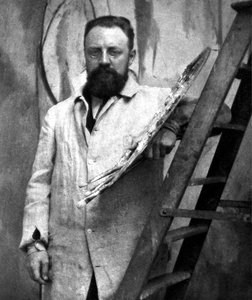
Henri Matisse
1869 - 1954 , Fransa
Kısa Bilgiler
- Artistic Movement Or Style: Fauvizm
- Artists Or Movements Influenced By This Artist:
- Modernizm
- İfadecilik
- Artists Who Influenced This Artist:
- Van Gogh
- John Russell
- Chardin
- Date Of Birth: 31 Aralık 1869
- Date Of Death: 3 Kasım 1954
- Full Name: Henri Émile Benoît Matisse
- Nationality: Fransız
- Notable Artworks:
- The Gourds
- Laurette in a White Turban
- Place Of Birth: Le Cateau-Cambrésis, Fransa
İlgili Yazılar
Henri Matisse'ın En İyi 25 Eseri: Renklerin Büyülü Dünyası | AllPaintingsStore
Henri Matisse'ın en ikonik 25 eserini keşfedin! Fauvism akımının öncüsü olan bu modern sanat dehasının renkli dünyasına yolculuk yapın. Sanat baskıları ve ev dekorasyonu için AllPaintingsStore.com'da ilham alın. Koleksiyonu şimdi keşfedin!

Fauvism's Boldest Visions: 10 Masterpieces That Revolutionized Modern Art | AllPaintingsStore
Explore 10 Fauvist masterpieces by Matisse, Derain & Vlaminck that ignited Modern Art! Discover bold colors, expressionist landscapes & the history of this revolutionary movement. Find museum-quality prints at AllPaintingsStore.com.

Oil on Canvas: A Historical & Technical Exploration of a Timeless Artistic Medium
Explore the rich history & enduring techniques of oil painting on canvas. Discover the science behind its longevity, conservation practices, and contemporary relevance. Expert insights for art enthusiasts.

Fauvizm'i Yükselten 10 Başyapıt: Sanat ve Ev Dekorasyonunda Renk Devrimi
Fauvizm'in en etkileyici 10 başyapıtını keşfedin! Matisse, Derain ve Vlamink gibi ustaların renkli dünyasına dalın. Sanat tarihi, ifadeci sanat ve ev dekorasyonunda fauvist esintiler... AllPaintingsStore.com’da tüm eserleri inceleyin!

The Enduring Legacy of Oil on Canvas: Technique, History & Aesthetic Impact
Explore the rich history & techniques of oil painting – from Renaissance masters to Impressionism. Discover pigments, layering methods, and why this timeless medium endures. Expert insights for artists & art enthusiasts.


