


 Gönder
 Paylaş
 Detaylar
 Rehber

 Dosyayı İndir
 Benzerleri
 Slayt Gösterisi
 İstatistikler
Loki


 Devamını Oku
Giclée / Sanat Baskısı
Hızlı üretim ve esnek bitiş seçenekleriyle müze kalitesinde giclée veya kanvas baskı. ( El Yapımı Tablo Satın Al Dijital Görsel Satışına Geç)




































Eserin orijinal oranlarıyla uyumlu, önceden belirlenmiş boyutlarımız arasından seçim yapın.

Çerçevenize veya duvarınıza uygun olması için ihtiyacınız olan genişlik ve yüksekliği yazın. Bir baskı yalnızca kesilebilir, görselden daha büyük hale getirilemez; bu nedenle farklı bir formdaki boyut seçimi, görselin bir kısmının kaybına neden olur. Herhangi bir baskı yapmadan önce onaylamanız için size bir dijital taslak gönderiyoruz. Bu sayfada gösterilen resim gerçek kesimi göstermez — bunu yalnızca taslak gösterir.
Dünya Çapında Teslimat (); standart 4/5 hafta yerine 2 haftada. (23 Ekim)

Dünya Çapında Ücretsiz Ekspres Kargo

Yüksek Kaliteli Keten Tuval

Tam Nakliye Sigortası

Gümrük Vergisi İadesi Garantisi

Gerçek Renk Uyumu Garantisi

100 Günlük İade Koşulları (Sadece Üretim Hatalı Ürünler İçin)

%100 Para İade Garantisi

Toplu Alım Avantajı
 Cam seçeneği yalnızca 110 cm altındaki boyutlar için mevcuttur.

Loki
Giclée / Sanat Baskısı
Baskı Boyutu
-


Toplam Fiyat
₺ 3129
The Sculptor's Vision: Hermann Ernst Freund and the Enigmatic Loki
Hermann Ernst Freund’s “Loki” stands as a compelling testament to the burgeoning Romantic movement’s fascination with ancient mythology, specifically the complex and often contradictory narratives of Norse lore. Crafted in Rome during a pivotal decade of his artistic development – 1818-1820 – this bronze sculpture transcends mere representation; it embodies a potent distillation of Loki's character: cunning trickster, shapeshifter, and harbinger of chaos, yet simultaneously imbued with an unsettling intelligence and a hint of tragic vulnerability. Freund’s decision to focus on this notoriously ambiguous figure speaks volumes about the era’s shifting artistic sensibilities – a move away from the rigid formality of Neoclassicism towards a more emotionally charged exploration of folklore and the darker aspects of human nature.
- Historical Context: The early 19th century witnessed a fervent revival of interest in Germanic mythology, fueled by nationalist sentiment and a desire to forge unique cultural identities. Figures like Adam Oehlenschläger championed Norse themes, inspiring artists and writers alike.
- Thorvaldsen’s Influence: Freund's time as assistant to the renowned Bertel Thorvaldsen profoundly shaped his artistic approach, instilling in him a mastery of classical form and technique while simultaneously encouraging him to experiment with subject matter beyond traditional Greek and Roman themes.
Form and Texture: A Study in Bronze
The sculpture’s power lies not only in its subject but also in Freund's masterful manipulation of bronze – a medium he expertly wielded throughout his career. The figure is rendered with remarkable anatomical detail, capturing the muscularity and coiled energy of Loki mid-pose. Note the deliberate roughness of the surface, achieved through careful polishing and patination; this textural contrast emphasizes the figure’s physicality while simultaneously hinting at an underlying sense of unease. The drapery, flowing and dynamic, is sculpted with a remarkable degree of realism, suggesting both movement and a subtle suggestion of concealment – mirroring Loki's ability to blend seamlessly into various roles.
Technique: The bronze casting process itself contributes significantly to the sculpture’s impact. The inherent qualities of the metal—its weight, its capacity for detail, and its potential for surface treatment—are fully exploited by Freund, creating a work that is both imposing and intimate.Symbolism and Narrative
Loki's pose – seated, one leg extended, head turned in a gesture of deliberate observation – immediately conveys his characteristic cunning. The subtle suggestion of a smirk plays upon the viewer’s expectations, inviting speculation about his intentions. The presence of wings, a clear reference to Norse mythology, reinforces his status as a supernatural being, capable of transformation and wielding considerable power. However, it is not merely a depiction of brute force; there's an element of calculated strategy in Loki’s stance, reflecting his role as a master manipulator.
- The Serpent: The implied presence of the serpent (often interpreted as Jörmungandr, the world serpent) reinforces Loki’s association with chaos and destruction.
- Shapeshifting: The wings symbolize his ability to assume various forms, highlighting his deceptive nature.
Emotional Resonance and Legacy
“Loki” is more than just a sculpture; it’s an evocation of the complexities inherent in Norse mythology – a world populated by gods and giants, heroes and monsters, where fate is often capricious and morality ambiguous. Freund's work captures this spirit with remarkable sensitivity, inviting viewers to contemplate the nature of trickery, intelligence, and the enduring power of myth. Reproductions of this piece offer a tangible connection to a pivotal moment in Romantic art history, allowing us to experience firsthand the artistic vision of a sculptor who dared to delve into the shadowy depths of Norse legend. It remains a potent symbol of both the allure and the danger inherent in embracing the unknown.
Soru ve Cevaplar
"Loki" hangi tarza aittir?
"Loki", Romantic Nationalism akımına ait bir eserdir. Bu akım, eserin parçası olduğu sanatsal geleneği ifade eder.
Hermann Ernst Freund imzalı "Loki" eserinin renkleri canlı mı yoksa mat mı?
Hermann Ernst Freund imzalı "Loki" eserinin renkleri Muted doygunluğa sahiptir. Doygunluk, renklerin ne kadar canlı veya mat olduğunu ifade eder.
"Loki" ne zaman ve hangi malzemelerle yapıldı?
"Loki", 1822 yılında Bronze tekniği kullanılarak üretilmiştir. Malzeme ve tarih, eserin orijinalinin nasıl ve ne zaman yapıldığını tanımlar.
İlgili Eserler


Sanatçı Biyografisi
Hermann Ernst Freund: Life and Legacy
Early Life and Training
Hermann Ernst Freund (1786-1840) was a German-born Danish sculptor who achieved recognition for his pioneering work in Nordic mythology and, most notably, the ambitious *Ragnarok Frieze*. Born near Bremen, Germany, he initially pursued training as a smith before dedicating himself to the world of art. He enrolled at the Art Academy in Copenhagen, where his talent quickly shone through, earning him all four silver and gold medals.
Roman Period and Influences
Following his graduation, Freund embarked on a decade-long sojourn in Rome (1810-1820). This period proved pivotal to his artistic development. He became the closest assistant to the renowned sculptor Bertel Thorvaldsen, gaining invaluable experience and refining his skills. His work during this time, such as the marble bust of Bernhard Severin Ingemann (1820), demonstrates a clear influence of Thorvaldsen’s Neoclassical style.
Embracing Nordic Mythology
Upon returning to Denmark, Freund distinguished himself as an early proponent of Romantic Nationalism. He was the first Danish sculptor to actively engage with themes from Nordic mythology, creating a series of twelve statuettes between 1822 and 1829. These included compelling representations of figures like Loki (1822), Odin (bronze, 1827), and Thor (1829). His approach skillfully blended the grandeur of ancient Greek and Roman mythological traditions with distinctly Norse subject matter.
Major Achievements and Artistic Style
- Ragnarok Frieze: Freund’s magnum opus, a monumental frieze depicting the apocalyptic events of Ragnarök (the end of the world in Norse mythology). Though completed posthumously by Herman Wilhelm Bissen after his death in 1840, it represented years of dedicated work. Sadly, the original was destroyed in the Christianborg fire of 1884; however, a plaster cast remains at Statens Museum for Kunst.
- Church of Our Lady Decoration: Freund prepared models for figures intended to adorn the Church of Our Lady in Copenhagen, though the commission ultimately went to Thorvaldsen.
- Sculptural Style: Freund’s style is characterized by a harmonious blend of Neoclassical precision and Romantic emotionality. His figures possess both anatomical accuracy and a sense of dramatic narrative.
Later Life and Legacy
In 1829, Freund was appointed professor at the Academy, solidifying his position within the Danish art world. Inspired by his travels in Southern Italy, he had his official residence, Materialgaard, decorated in a Pompeiian style. He mentored several young artists including Georg Hilker, Heinrich Eddelien, Constantin Hansen and Christen Købke who assisted with the decoration of Materialgaard based on Freund’s designs.
Historical Significance
Hermann Ernst Freund played a crucial role in shaping Danish sculpture during the Golden Age. His pioneering exploration of Nordic mythology not only revitalized national artistic identity but also established a unique and enduring legacy. The largest collection of his works is housed at the Glyptotek in Copenhagen, ensuring that future generations can appreciate his contributions to art history. He remains an important figure for understanding the intersection of Neoclassicism, Romanticism, and National Identity in 19th-century Danish art.

Hermann Ernst Freund
1786 - 1840 , Germany
Kısa Bilgiler
- Name: Hermann Ernst Freund
- Movement:
- Romantic Nationalism
- Neoclassicism
- Birth Date: 1786
- Death Date: 1840
- Birth Place: Uthlede, Germany
- Nationality: Danish
- Date Of Birth: 1786
- Date Of Death: 1840
- Influenced By: Bertel Thorvaldsen
- Notable Works:
- Ragnarok Frieze
- Loki (1822)
- Odin (1827)
- Thor (1829)
- Place Of Birth: Uthlede, Germany
İlgili Yazılar

Bronze Sculptures That Defined Art History | AllPaintingsStore
Journey through art history with our Top 10 bronze sculptures! Explore masterpieces by Rodin, Michelangelo & more. Discover stories behind iconic statues and find museum-quality reproductions for your home decor at AllPaintingsStore.com.

The Enduring Form: Sculpture Across History, Technique & Emotional Resonance
Explore the rich history of sculpture with AllPaintingsStore. Discover key techniques, influential artists & investment potential for discerning collectors. Expert insights into valuing and collecting timeless masterpieces.

Bronze Age to Modern Masters: 10 Sculptures That Redefined Art | AllPaintingsStore
Journey through art history with 10 legendary bronze sculptures – from Michelangelo's David to Rodin’s Thinker. Explore the stories, techniques & timeless beauty of these masterpieces. Find museum-quality reproductions & elevate your home decor on AllPaintingsStore.com.

The Enduring Form: Exploring Themes & Techniques in Sculpture Across Historical Periods
Explore the rich history of sculpture from ancient masterpieces to contemporary innovations. Discover key techniques, influential artists & investment potential for discerning art collectors.
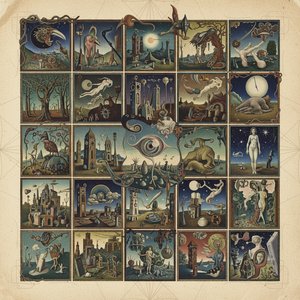
Max Ernst'in En İyi 25 Eseri: Sürrealizmin Derinliklerinde Sanat ve Dekor Rehberi
Max Ernst'in en iyi 25 eserini keşfedin! Sürrealizmin büyülü dünyasına dalın, resimlerin ardındaki hikayeleri öğrenin ve evinizi modern sanatla zenginleştirin. Yüksek kaliteli tablolar AllPaintingsStore.com’da.

