


 Önizle
 Gönder
 Paylaş
 Detaylar
 Rehber

 Dosyayı İndir
 Benzerleri
 X-Işını
 Slayt Gösterisi
 İstatistikler
Dansantlar


 Devamını Oku
El Yapımı Yağlı Boya Reproduksiyon
Sanatçılarımız tarafından sipariş üzerine hazırlanan; istediğiniz boyut ve çerçevede, tuval üzerine el boyaması yağlı boya. ( Baskı Satışına Geç Dijital Görsel Satışına Geç)




P118B ₺10

P118H ₺10

P118W ₺10

P438Z ₺10

P508JH ₺12

P508YH ₺12

P805H ₺10

P805Z ₺10

P919BZ ₺10

P919G ₺10

P919XJ ₺10

P959ZH ₺10

P968JZ ₺12

W106C ₺8

W218G ₺10

W218JH ₺8

W218Y ₺10

W307PJ ₺10

W316G ₺10

W316PJ ₺8

W316Y ₺10

W398PJ ₺8

W4111J ₺10

W500HY ₺15

W500JH ₺15

W692G ₺12

W849H ₺8

W940BG ₺15

W953PJ ₺8




Eserin orijinal oranlarıyla uyumlu, önceden belirlenmiş boyutlarımız arasından seçim yapın.

Çerçevenize veya duvarınıza uygun olması için ihtiyacınız olan genişliği ve yüksekliği yazın. Bu eser el boyamasıdır; bu nedenle farklı bir formdaki boyutlar için sanatçı, resmin etrafına biraz daha fazla boya ekleyebilir veya biraz daha kırpabilir — seçim sizin. Boyama işlemi başlamadan önce onaylamanız için size bir dijital taslak gönderiyoruz. Bu sayfada gösterilen resim gerçek sonucu yansıtmamaktadır — gerçek sonucu yalnızca taslak göstermektedir.
Siparişten sonra, AllPaintingsStore.com ekibi talimatlar için müşteriye e-posta gönderecek ve bir taslak önizleme sunacaktır
Dünya Çapında Teslimat (); standart 5 hafta yerine 3/4 haftada. (25 Ekim). Kaliteden ödün verilmez.

Dünya Çapında Ücretsiz Ekspres Kargo

Yüksek Kaliteli Keten Tuval

Tam Nakliye Sigortası

Gümrük Vergisi İadesi Garantisi

Gerçek Renk Uyumu Garantisi

100 Günlük İade Koşulları (Sadece Üretim Hatalı Ürünler İçin)

%100 Para İade Garantisi

Toplu Alım Avantajı
 Cam seçeneği yalnızca 110 cm altındaki boyutlar için mevcuttur.

Dansantlar
Baskı Tekniği
Baskı Boyutu
-


Toplam Fiyat
₺ 12619
Dancers: A Celebration of Color and Movement
“Dancer” by Hermann Max Pechstein is more than just a depiction of two figures engaged in dance; it’s an embodiment of the expressive spirit of Die Brücke, one of Germany's most influential avant-garde art movements. Painted in 1909, this lithograph captures a moment of joyous interaction against a backdrop of stylized foliage—a testament to Pechstein’s fascination with nature and his desire to convey raw emotion.
- Subject Matter: The artwork focuses on two dancers, positioned prominently in the composition. Their figures are rendered with bold lines and simplified forms characteristic of Die Brücke's style.
- Style: Pechstein’s approach aligns perfectly with Expressionism—a movement that prioritized subjective experience over objective representation. He abandons traditional perspective, favoring a flattened space where color dominates, mirroring the emotional intensity he seeks to communicate.
- Technique: Lithography, chosen by Pechstein for this piece, allowed for precise tonal gradations and intricate detail despite its seemingly straightforward process. The artist skillfully utilized etching techniques to create textures and contours that contribute to the overall dynamism of the scene.
The painting’s color palette is striking—primarily yellows and greens—reflecting Pechstein's preoccupation with vibrant hues inspired by Impressionism and Fauvism. These colors aren’t merely decorative; they symbolize vitality, optimism, and perhaps even a hint of sensual pleasure. The tree itself serves as a powerful visual element, representing stability amidst movement and symbolizing the enduring beauty of the natural world.
Historical Context: Die Brücke emerged in Dresden during the early years of the 20th century as a reaction against academic art conventions. Artists like Pechstein sought to express their inner feelings and anxieties through distorted forms and intense colors—a deliberate departure from the idealized depictions favored by mainstream artistic circles. The painting’s creation coincided with a period of significant social upheaval, mirroring the movement's rebellious ethos.
Emotional Impact: “Dancer” succeeds in conveying a palpable sense of joy and spontaneity. The artist’s masterful use of line and color draws the viewer into the scene, inviting contemplation on themes of connection, beauty, and the celebration of life’s simple pleasures. It remains an enduring symbol of Die Brücke's artistic vision—a bold assertion of emotion and imagination against the constraints of tradition.
Soru ve Cevaplar
Hermann Max Pechstein imzalı "Dansantlar" hangi duyguyu yansıtıyor?
Hermann Max Pechstein imzalı "Dansantlar" için kaydedilen duygusal ton Neşeli şeklindedir. Bu, eserin ifade ettiği hissi özetler.
Hermann Max Pechstein imzalı "Dansantlar" kamu malı mı?
Telif hakkı konusunda, "Dansantlar" eseri kamu malıdır - telif hakkı süresi dolmuştur statüsündedir.
Hermann Max Pechstein imzalı "Dansantlar" eserinin telif hakkı durumunu ne açıklamaktadır?
Hermann Max Pechstein imzalı "Dansantlar" adlı eser kamu malıdır - telif hakkı süresi dolmuştur statüsündedir. Telif hakları süresi sanatçının ölüm tarihinden itibaren hesaplanmaktadır ve Hermann Max Pechstein, 1955 yılında vefat etmiştir.
İlgili Eserler


Sanatçı Biyografisi
Alman Dışavurumculuğunun Canlı Nabzı
1881 yılında Zwickau'nun endüstriyel kalbinde dünyaya gelen Hermann Max Pechstein, işçi sınıfından gelen kökenleriyle yirmiuncu yüzyıl başı avangardının en etkileyici figürlerinden biri haline geldi. Modern sanatın ruhuna yaptığı yolculuk, büyük akademik iddialarla değil, zanaatkârlığa ve hayatın ham dokularına olan köklü bağlılığıyla başladı. Bir tekstil işçisinin oğlu olarak Pechstein'ın erken dönem duyarlılıkları, sanatı boyunca çizgi ve rengi cesur, dizginlenemez bir biçimde kullanmasını sağlayacak olan endüstrinin ritmik ve dokunsal dünyasıyla şekillendi. Dresden'deki Kraliyet Uygulamalı Sanatlar Akademisi ve Kraliyet Güzel Sanatlar Akademisi'ndeki resmi eğitimi, ona çağdaşlarının birçoğundan ayrılan teknik bir titizlik kazandırdı; o, efsanevi Die Brücke grubunun böylesine kapsamlı bir akademik eğitimden geçmiş tek üyesi olma özelliğini eşsiz bir şekilde taşıyordu.
Pechstein'ın kariyerinin seyri, 1906 yılında Dresden'deki bir sergide yaşadığı tesadüfi bir karşılaşmanın onu Erich Heckel ve yeni filizlenen Die Brücke kolektifiyle tanıştırmasıyla geri dönülemez bir şekilde değişti. Bu sanatçı topluluğu, akademikizmin nazik örtülerini soyup altındaki duygusal gerçeği açığeda bırakarak, geçmiş ile yeni ve içsel bir modernite arasında köprü kurmayı amaçlıyordu. Pechstein'ın bu dönemdeki çalışmaları, Art Nouveau'nun kalıcı dekoratif etkilerini geride bırakıp çok daha ilkel bir şeye yönelerek yeni bir enerjiyle titreşmeye başladı. İtalya ve Fransa gezileri güçlü bir katalizör görevi gördü; burada Fauvistlerin güneşle yıkanmış paletleri ile Rönesans ustalarının yapısal netliği zihninde birleşerek, basitleştirilmiş formlar ve yoğun, saf pigment uygulamalarıyla karakterize edilen bir üslup doğurdu.
Renk ve Çatışmayla Şekillenen Bir Miras
Şöhreti arttıkça, Pechstein'ın tuvalleri Birinci Dünya Savaşı sonrası Almanya'nın değişen ruhuna açılan pencereler haline geldi. Sanatı hiçbir zaman sadece dekoratif değildi; canlı dansçılar, huzurlu manzaralar ve samimi portreler aracılığıyla insan varoluşunun derin bir keşfiydi. Masadaki Kız gibi eserlerinde, konuya hayat üfleyen sofistike renk kullanımı ve dışavurumcu çizgilerdeki ustalığı görülebilir; sanatçı, vizyoner soyutlamalarını insani bir sıcaklığa dayandırmak için sıklıkla Lotte Kaprolat gibi modellerden yararlanmıştır. Dansçılar serisindeki ritmik hareketlerden ada sahnelerinin canlı, güneşle yıkanmış atmosferine kadar günlük hayatın canlılığını yakalama yeteneği, onun Dışavurumcu üslubun bir ustası olarak konumunu perçinledi.
Ancak Pechstein'ın vizyonunun parlaklığı, Nazi rejiminin yükselişiyle birlikte derin bir karanlıkla karşılaştı. Duygusal dürüstlüğe ve biçimsel deneye olan bağlılığı, devletin onun eserlerini Yozlaşmış Sanat olarak damgalamasına yol açtı. Bu zulüm dönemi, üç yüzden fazla tablosunun Alman müzelerinden sökülüp alınmasına tanıklık etti; bu durum hem sanatçı hem de ulusunun kültürel dokusu için yıkıcı bir darbe oldu. Katkılarını silmeye yönelik bu sistematik girişime rağmen Pechstein'ın ruhu kırılmadı. Savaşın ve siyasi çalkantıların fırtınaları arasında resim yapmaya devam ederek, yaratıcı dürtünün direncinin bir kanıtı olan bir miras bıraktı. Bugün Max Pechstein'ı sadece bir ressam olarak değil, rengi bir özgürlük dili olarak kullanmaya cüret eden ve Alman Dışavurumculuğunun canlı nabzının sanat tarihinin koridorlarında yankılanmaya devam etmesini sağlayan bir öncü olarak tanıyoruz.

Hermann Max Pechstein
1881 - 1955
Kısa Bilgiler
- Artistic Movement Or Style: Kübizm, Sürrealizm
- Artists Or Movements Influenced By This Artist: ['Georges Braque']
- Artists Who Influenced This Artist:
- Paul Cézanne
- Afrika sanatı
- Date Of Birth: 25 Ekim 1881
- Date Of Death: 8 Nisan 1973
- Full Name: Pablo Diego José Francisco de Paula Juan Nepomuceno María de los Remedios Cipriano de la Santísima Trinidad Ruiz y Picasso
- Nationality: İspanyol
- Notable Artworks:
- Guernica
- Les Demoiselles d’Avignon
- Ağlayan Kadın
- Aynadaki Kız
- Place Of Birth: Málaga, İspanya
İlgili Yazılar
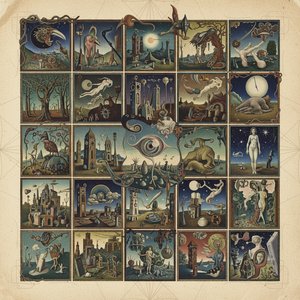
Max Ernst'in En İyi 25 Eseri: Sürrealizmin Derinliklerinde Sanat ve Dekor Rehberi
Max Ernst'in en iyi 25 eserini keşfedin! Sürrealizmin büyülü dünyasına dalın, resimlerin ardındaki hikayeleri öğrenin ve evinizi modern sanatla zenginleştirin. Yüksek kaliteli tablolar AllPaintingsStore.com’da.

The Visceral Cry of a Nation: Exploring Emotion & Distortion in German Expressionism
Explore the powerful world of German Expressionism with AllPaintingsStore. Discover Kirchner, Nolde & Die Brücke's emotive masterpieces. Learn about this pivotal art movement and its lasting impact on modern art.

Unmasking Emotion: A Definitive Guide to the Raw Power and Visceral Beauty of German Expressionism
Explore the visceral power of German Expressionism. From Ernst Ludwig Kirchner to Die Brücke, discover how bold colors and distorted forms unmask raw human emotion in this expert art history guide for collectors and enthusiasts.

Unmasking Emotion: A Journey Through the Raw Power and Visceral Beauty of German Expressionism
Explore the raw emotional power of German Expressionism. From Kirchner to Die Brücke, discover how artists used distortion and vibrant color to unmask the human psyche. A deep dive into art history for the discerning collector and enthusiast.

German Expressionism's 10 Defining Masterpieces | Art for Your Home
Explore 10 defining German Expressionism masterpieces – from Munch's 'The Scream' to Kandinsky’s abstracts. Discover the artists, stories & bold colors behind this powerful art movement. Find museum-quality reproductions at AllPaintingsStore.com.


