Para İadesi Garantisi · 100 gün Dünya Çapında Ücretsiz Teslimat
449.564sanat eserleri 30.613sanatçılar 4.660müzeler 32Dil Seçenekleri
Catalogue entry

Scenes in Hell

Acrylic On Canvas, 163.0 x 176.0 cm. Staatliche Museen zu Berlin.

Fig. 1. Jheronimus Bosch, Scenes in Hell. Shown as the reproduction you are specifying: , .

§ 1Catalogue data

Boyutlar
163.0 x 176.0 cm

§ 2Abstract

Eser Açıklaması

Explore Hieronymus Bosch’s ‘Scenes in Hell,’ a chaotic Mannerist sketch of animal combat & surreal symbolism. Discover this iconic Netherlandish drawing's dark beauty and intricate details.

Sanatçı Biyografisi

Feeri̇k ve sembolik dünyasıyla Hieronymus Bosch (1450-1516), Rönesans'ın en gizemli sanatçılarından. 'Dünyevi Zevkler Bahçesi' gibi eserleriyle tanınan Bosch, dini temaları çarpıcı imgelerle yorumlayarak sanat tarihine damgasını vurmuştur.

§ 3Commentary

Scenes in Hell - A Descent Into Surreal Darkness

Hieronymus Bosch’s *Scenes in Hell* isn't merely a depiction of torment; it’s an unsettling plunge into the subconscious, a visual manifesto of anxieties simmering beneath the surface of fifteenth-century Europe. Created sometime around 1480-1516, this monochrome sketch—likely executed on wood panel—captures Bosch’s signature Mannerist style with breathtaking precision and disturbing grandeur. It's a piece that continues to fascinate scholars and artists alike, prompting ongoing debate about its meaning and artistic innovation.
  • Composition & Dynamism: The image explodes with chaotic energy. Bosch abandons traditional perspective, flattening the space into a fractured grid punctuated by swirling lines and sharp angles—a deliberate rejection of Renaissance ideals favoring instead an immediacy that reflects the turbulent times. Figures overlap relentlessly, creating a dizzying dance of movement and conveying a palpable sense of urgency.
  • Animal Combat & Symbolism: At its core lies a brutal confrontation between horses and bulls engaged in violent combat. These animals aren’t simply battling for dominance; they represent primal instincts—fear, aggression, desire—themes prevalent throughout Bosch's oeuvre. The grotesque imagery serves as a powerful allegory for the struggle between good and evil, mirroring anxieties about moral decay and divine judgment.
  • Technique: Bosch’s mastery of hatching and crosshatching is extraordinary. Using graphite or charcoal with meticulous care, he builds up tonal values to create textures that mimic fur, muscle, and bone—a technique that lends an unsettling realism to the fantastical scene. The artist's attention to detail elevates the sketch beyond mere illustration; it becomes a testament to his artistic skill and psychological insight.
  • Historical Context: Bosch’s work emerged during a period of profound religious upheaval. The burgeoning humanist movement challenged established dogma, while anxieties about heresy fueled persecutions across Europe. *Scenes in Hell* reflects this intellectual climate, embodying the pervasive fear of damnation and the preoccupation with mortality that characterized the era.
  • Emotional Impact: Viewing *Scenes in Hell* is an emotionally challenging experience. Bosch’s unsettling vision confronts viewers with uncomfortable truths about human nature—our capacity for cruelty, our susceptibility to temptation, and ultimately, our inescapable fate. It's a painting designed not merely to depict horror but to provoke contemplation on the darker aspects of existence.

The Mannerist Style: Distortion & Dramatic Expression

Bosch’s stylistic choices firmly situate *Scenes in Hell* within the Mannerist movement—a reaction against the idealized beauty and harmonious balance championed by Raphael and Michelangelo. Mannerists deliberately distorted proportions, exaggerated poses, and employed unsettling juxtapositions to create a sense of unease and disorientation. This aesthetic was driven by a desire to unsettle viewers psychologically, prompting them to confront uncomfortable realities about human experience. Bosch’s rejection of classical conventions—particularly perspective—was revolutionary for its time, signaling a shift toward subjective vision and emotional intensity.

Decoding the Surreal Landscape

The desolate landscape depicted in *Scenes in Hell* is equally significant. Bosch abandons naturalistic representation favoring instead a dreamlike realm populated by bizarre flora and fauna—a deliberate departure from Renaissance landscapes that celebrated beauty and order. The burning city at the right symbolizes corruption and decay, while the bone-littered plain represents death and oblivion. These elements underscore Bosch’s preoccupation with mortality and his belief in an afterlife of torment—themes central to Christian theology during the period.

A Legacy Enduring Through Reproduction

Today, *Scenes in Hell* continues to inspire artists and captivate audiences worldwide. High-quality reproductions offer a remarkable opportunity to experience Bosch's unsettling vision firsthand, bringing his masterful technique and profound symbolism into homes and galleries. AllPaintingsStore’s meticulous hand-painted reproductions ensure that this iconic masterpiece retains its original impact—a chilling reminder of the anxieties and artistic innovations that defined the Renaissance.

Soru ve Cevaplar

Jheronimus Bosch imzalı "Scenes in Hell" eserinin şekli ve boyutları nedir?

Jheronimus Bosch imzalı "Scenes in Hell", 163 x 176 cm boyutlarında bir Landscape eser olarak tasarlanmıştır.

"Scenes in Hell" adlı eserin bir Living Room için önerilen boyutu nedir?

Living Room için Jheronimus Bosch imzalı "Scenes in Hell" eserinin önerilen baskı boyutu Large'dır.

Jheronimus Bosch imzalı "Scenes in Hell" neyi betimliyor?

"Scenes in Hell" eserinin konuları hell imagery, animal combat, surreal scenes, dark fantasy, mannerist art, violent conflict, bosch's visions, nightmare themes şeklindedir.
§ 4The artist

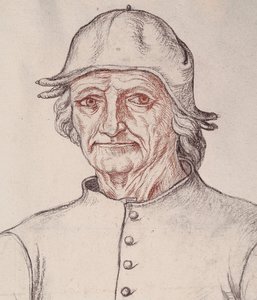
Jheronimus Bosch

Jheronimus Bosch

1450 - 1516, Hollanda

Quick facts about Jheronimus Bosch

  • Artistic Movement Or Style: Surrealizm ve Sembolizm
  • Artists Or Movements Influenced By This Artist: ['Pieter Bruegel']
  • Date Of Birth: c. 1450
  • Date Of Death: 1516
  • Full Name: Hieronymus Bosch
  • Nationality: Hollandalı
  • Notable Artworks:
    • Dünyanın Bahçesi
    • Son Yargı Triptiği
    • Tanrısal Çıkış
  • Place Of Birth: Den Bosch, Netherlands

Sanatçı Özgeçmişi

A Netherlandish Enigma: The Life and Art of Hieronymus Bosch

Hieronymus Bosch, born around 1450 in ’s-Hertogenbosch, Netherlands—then part of Brabant—remains one of art history’s most perplexing figures. His world pulsed with late medieval religious fervor, folklore, and a creeping unease about societal change – forces that fueled his extraordinary artistic imagination. Descended from a family steeped in painting tradition—his grandfather, Jan van Aken, and father, Anthonius van Aken—Bosch likely honed his skills within the family workshop, absorbing the conventions of Netherlandish art while simultaneously forging his own distinctive path. Biographical details are frustratingly sparse; records offer tantalizing glimpses but leave much to speculation, enhancing the artist’s aura of mystery. He married Aleyt Goyaerts van den Meerveen sometime before 1481, securing a degree of financial stability through her family's holdings—though little else is known about his personal life.

Fantastical Visions and Symbolic Depth

Bosch’s artistic style captivated audiences with its jarring juxtaposition of meticulous detail and hallucinatory imagery. Primarily working on oak panels using oil paint, he achieved luminous colors and intricate textures, surpassing the stylistic norms of his time. While early works mirrored traditional Netherlandish painting's realism, Bosch swiftly moved beyond mere imitation, developing a profoundly original vision rooted in medieval folklore and apocalyptic anxieties. His canvases aren’t simply representations; they are allegorical landscapes populated by bizarre creatures—grotesque demons, fantastical animals—and unsettling scenes that seem ripped from dreams. Religious themes dominate much of his oeuvre, but these are rarely straightforward depictions of biblical narratives. Instead, Bosch employed symbolism to explore complex moral and theological concepts, confronting viewers with the perils of sin, the allure of earthly pleasures, and the inevitability of divine judgment. His figures—human and monstrous alike—embodied vice, temptation, and spiritual corruption, creating a disconcerting effect that continues to resonate centuries later.

Masterpieces of Moral Allegory

Bosch’s most celebrated achievement is undoubtedly *The Garden of Earthly Delights* (c. 1490-1510)—a triptych that remains one of art history's most debated works. When unfolded, it presents a panoramic vision of paradise, earthly life, and hell—a complex allegorical representation of humanity’s fall from grace. The left panel depicts Eden, brimming with fantastical flora and fauna; the central panel portrays a hedonistic world consumed by sensual desire; and the right panel offers a terrifying glimpse into infernal torment. Alongside *The Garden*, *The Last Judgement Triptych* (c. 1480-1490) powerfully conveys both heavenly bliss and divine retribution, while *Ascent of the Blessed* (c. 1480-1490) captures ethereal beauty—a testament to Bosch’s mastery of oil paint and his ability to evoke profound psychological states. Smaller works like *Epiphany* (c. 1495) showcase his innovative technique and intricate symbolism, revealing a mind perpetually wrestling with existential questions about faith, morality, and human nature.

Influence and Legacy

Identifying Bosch’s direct influences is challenging due to the originality of his vision—though scholars suggest connections to medieval folklore, religious texts emphasizing apocalyptic themes, and societal anxieties surrounding heresy. Nevertheless, Bosch decisively surpassed stylistic conventions, establishing himself as a pioneer of Netherlandish painting and forging an artistic legacy that transcends time. His impact on subsequent artists is undeniable: Pieter Bruegel the Elder adopted similar thematic concerns and compositional approaches; Surrealist painters like Salvador Dalí and Max Ernst drew inspiration from Bosch’s dreamlike imagery and exploration of the subconscious. Even today, Bosch's unsettling visions continue to fascinate and provoke discussion—solidifying his place as a singular artist whose influence persists across artistic movements and generations. His paintings serve as invaluable windows into the intellectual and spiritual landscape of the late fifteenth and early sixteenth centuries, questioning established norms and paving the way for groundbreaking artistic expression. He died in 1516, leaving behind a body of work that continues to haunt and inspire—ensuring Bosch’s enduring status as one of art history's most unforgettable voices.

§ 5Comparanda

§ 6Questions

Hızlı Bilgiler

  • Medium: Graphite/Charcoal on Paper
  • Influences: Medieval Folklore
  • Dimensions: 163 x 176 cm
  • Movement: Northern Renaissance
  • Subject or theme: Animal Combat; Hell Imagery

§ 7Cite this entry

AllPaintingsStore.com, “Jheronimus Bosch, Scenes in Hell”, https://allpaintingsstore.com/tr/art/hieronymus-bosch-scenes-in-hell-8Y33NN-en/ (accessed 5 Ekim 2026).

§ 8The reproduction

El Yapımı Yağlı Boya Reproduksiyon

Sanatçılarımız tarafından sipariş üzerine hazırlanan; istediğiniz boyut ve çerçevede, tuval üzerine el boyaması yağlı boya. ( Baskı Satışına Geç Dijital Görsele Geç)

It is specified on the order sheet in the margin; the present state of that sheet reads as follows.

Scenes in Hell

Reproduksiyon Tekniği

Reproduksiyon Boyutu

-

Seçkin Kıdemli Sanatçı

Daha fazla detay, incelik ve ek üretim süresi

-

Reproduksiyon Çerçevesi

-

-

Herhangi bir kenarı 105 cm'den (yaklaşık 41 inç) büyük olan sanat eserleri veya reprodüksiyonlar için çerçeve, demonte edilmiş bir kit halinde gönderilecektir. Bu yöntem, güvenli teslimat sağlar ve taşıma sırasında oluşabilecek hasarları önler.

Profesyonel montaj gereklidir; bu ürün kendin yap (DIY) tarzı bir ürün değildir.
Kit; ahşap tutkalı (pakete dahil değildir), kanvas germe pensi ve tutkal kururken çıtaların dik durmasını sağlayacak işkenceler kullanılarak, deneyimli bir profesyonel çerçeveci tarafından monte edilmeli ve kanvas gerilmelidir. Hatalı montaj veya dengesiz kanvas gerginliği sanat eserine kalıcı zarar verebilir ve bu durum garantimiz kapsamında değildir.

  • Tüm masif ahşap çıtalar dahildir, montaj için hassas bir şekilde ölçülmüştür.

  • Paket içeriğinde bulunan vidalar ve köşe birleşimleri için ustanız tarafından temin edilmesi gereken, ancak pakete dahil olmayan ahşap tutkalı ile monte edilir.

  • Profesyonel araçlar gereklidir ve pakete dahil değildir: bir tuval germe aparatı (gerdirici) ve yapıştırıcı kururken çıtaların dik durmasını sağlayacak kıskaçlar.

Önemli:
Köşe bağlantıları için ahşap tutkalı gereklidir; tutkal tamamen kuruyana kadar çıtalar işkenceler ile sabitlenmelidir ve monte edilmiş çerçeve üzerindeki kanvasın gerilmesi için bir kanvas germe pensine ihtiyaç duyulur. Bunların hiçbiri kit içerisinde yer almamaktadır. Lütfen bu boyutu sipariş etmeden önce deneyimli bir profesyonel çerçeve ustası ile anlaşın.

Eser Etiketi

-

-

Koruyucu Vernik Katmanı

Parlak Vernik (renkleri canlandırır; ışığa ve neme karşı koruma sağlar)

-

Eserimi Özelleştir

Değiştirilebilecek örneklere göz atın: Yüzü müşteri fotoğrafıyla değiştirin; Evcil hayvan ekleyin (örneğin, kediyi köpek ile değiştirin); Arka plana gizli bir mesaj dahil edin; Arka plan manzarasını veya öğelerini değiştirin.

-

Hızlı Teslimat

Dünya Çapında Teslimat (); standart 5 hafta yerine 3/4 hafta içinde. (2 Kasım). Kaliteden ödün verilmez.

-

Hızlı Gönderim

için dünya çapında 5 haftalık teslimat süresi. (9 Kasım).

Dahil

Toplam Tutar

₺ 12684

Included with every order

  • Dünya Çapında Ücretsiz Ekspres Kargo
  • Yüksek Kaliteli Keten Kanvas
  • Tam Nakliye Sigortası
  • Gümrük Vergisi İadesi Garantisi
  • Gerçek Renk Uyumu Garantisi
  • 100 Günlük İade Politikası (Sadece Kusurlu Ürünler İçin)
  • %100 Para İade Garantisi
  • Toplu Alım İndirimi
Order sheet