


 Önizleme yap
 Paylaş
 Paylaş
 Detayları Gör

 İndir
İndir
 Benzerlerini gör
 X-Işını
 Slayt Gösterisi
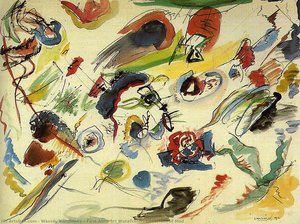
Cosmic Firebird
 Abstract Expressionism
 2005
2005 121.0 x 121.0 cm
 Tümünü Gör
Giclée / Sanat Baskısı
Hızlı üretim ve esnek bitiş seçenekleriyle müze kalitesinde giclée veya kanvas baskı. ( El yapımı tablo satın al Görsel satın al)




































Eserin orijinal oranlarıyla uyumlu, önceden belirlenmiş boyutlarımız arasından seçim yapın.

Belirli bir çerçeveye veya alana uyması için kendi ölçülerinizi girebilirsiniz. Seçtiğiniz boyut orijinal görüntünün oranlarıyla eşleşmiyorsa, sanat eserini kırpacağız veya görüntüyü aynalanmış ya da düz dolgulu bir kenarlıkla genişleteceğiz. Üretim başlamadan önce onayınız için bir dijital taslak gönderilecektir.
Lütfen ekrandaki önizlemenin gerçek kırpma veya genişletmeyi yansıtmadığını unutmayın. Nihai kompozisyonu yalnızca taslak doğru bir şekilde gösterecektir.
Özel boyutlar mevcut olsa da, orijinal oranları korumak için önceden tanımlanmış listeden bir boyut seçmenizi öneririz.
Dünya Çapında Teslimat (); standart 4/5 hafta yerine 2 haftada. (17 Ağustos)

Dünya Çapında Ücretsiz Ekspres Kargo

Yüksek Kaliteli Keten Tuval

Tam Kapsamlı Nakliye Sigortası

Gümrük Vergisi İade Garantisi

Gerçek Renk Uyumu Garantisi

60 Günlük İade Politikası (Sadece Kusurlu Ürünler İçin)

%100 Para İade Garantisi

Toplu Alım İndirimi
 Cam seçeneği yalnızca 110 cm altındaki boyutlar için mevcuttur.

Cosmic Firebird
Giclée / Sanat Baskısı
Reproduksiyon Boyutu
-


Toplam Tutar
$ 64
Benzer Eserler







Sanatçı Özgeçmişi
The Enduring Appeal of Nostalgia: The Art of Jack Armstrong
Jack Armstrong is an artist whose work resonates deeply with a sense of shared memory and the comforting glow of Americana. Born in 1948, he didn’t emerge from the traditional art school system but rather from a background steeped in commercial illustration and design. This formative experience proved pivotal, shaping his distinctive style that blends meticulous realism with a heartfelt embrace of mid-20th century culture. Armstrong's paintings aren’t simply depictions of objects; they are portals to a bygone era, evoking the sights, sounds, and feelings associated with post-war America – diners, classic cars, vintage toys, and the everyday ephemera that defined a generation. He is, at his core, a storyteller who uses imagery as his medium, inviting viewers to reconnect with their own personal histories and collective pasts.From Illustration to Iconography: A Developing Style
Armstrong’s early career focused on commercial art, creating illustrations for magazines, advertisements, and packaging. This period honed his technical skills – a mastery of light, shadow, and detail that remains central to his work today. However, he found himself increasingly drawn to subjects beyond the demands of client briefs. He began painting scenes from his childhood, initially as a personal exercise but soon recognizing a wider appeal. These early works featured meticulously rendered images of 1950s gas stations, chrome-laden automobiles, and brightly colored storefronts. He wasn’t interested in simply recreating these scenes; he sought to capture the *feeling* of them – the optimism, the energy, and the sense of possibility that characterized the era. This shift from illustration to fine art was marked by a growing emphasis on nostalgia, not as sentimental longing but as a powerful force for connection and understanding. He deliberately avoids any hint of irony or cynicism in his depictions, instead presenting these scenes with genuine affection and respect.Influences and Artistic Lineage
While Armstrong doesn’t explicitly cite specific artistic influences, the echoes of several movements can be detected in his work. The hyperrealism of artists like Richard Estes and Chuck Close is evident in his meticulous attention to detail, but Armstrong's paintings possess a warmth and emotional depth that sets them apart. The influence of Norman Rockwell is also apparent – not in terms of narrative complexity, but in the artist’s ability to evoke a strong sense of American identity and shared values.- Edward Hopper: The quiet solitude and evocative atmosphere found in Hopper's work resonate with Armstrong's depictions of everyday scenes.
- Pop Art: Although not directly aligned with the Pop Art movement, Armstrong shares its fascination with popular culture and consumerism, albeit approached from a more personal and less critical perspective.
- American Regionalism: The focus on distinctly American subjects and landscapes connects him to artists like Grant Wood and Thomas Hart Benton.




