30 Gün İçinde Para İade Garantisi Dünya Çapında Ücretsiz Teslimat
446.261sanat eserleri 30.640sanatçılar 4.753müzeler 32Dil Seçenekleri
Ülke
Para Birimi
Dil Seçimi
Atölye · 2015'ten beri · Paris, Fransa
AllPaintingsStore
allpaintingsstore.com
Hesabım İstek Listem Sepetim
Baskıyı satın al Baskıyı satın alGörseli Satın Al Görseli Satın Al PaylaşPaylaş
Detayları GörDetayları Gör Favorilere ekle Favorilere ekle İndirİndir Benzerlerini görBenzerlerini gör X-IşınıX-Işını Slayt GösterisiSlayt Gösterisi

Apples

James Ensor (1860-1949), İkinci Dünya Savaşı sırasında Ostend’de yaşamasına rağmen Bomba saldırılarından kaçınan Belçika sanatçısıdır. Les XX sanat grubunun üyelerinden biriydi. Ayrıca Ekspresyonizm ve Surrealizm hareketlerine önemli bir etkisi olan ve Rembrandt, Goya ve Whistler gibi sanatçılardan etkilenen Bir İngiliz babası ve Bir Belçika annesi tarafından dünyaya gelen İskoçya doğumlu bir eser

El Yapımı Yağlı Boya Reproduksiyon

Sanatçılarımız tarafından sipariş üzerine hazırlanan; istediğiniz boyut ve çerçevede, tuval üzerine el boyaması yağlı boya.

P118B $10
P118H $10
P118W $10
P438Z $10
P508JH $12
P508YH $12
P805H $10
P805Z $10
P919BZ $10
P919G $10
P919XJ $10
P959ZH $10
P968JZ $12
W106C $8
W218G $10
W218JH $8
W218Y $10
W307PJ $10
W316G $10
W316PJ $8
W316Y $10
W398PJ $8
W4111J $10
W500HY $15
W500JH $15
W692G $12
W849H $8
W940BG $15
W953PJ $8

Standard
custom
CM
INCH

Eserin orijinal oranlarıyla uyumlu, önceden belirlenmiş boyutlarımız arasından seçim yapın.

genişlik
yükseklik

Belirli bir çerçeveye veya alana uyması için kendi boyutlarınızı girebilirsiniz. Seçtiğiniz boyut orijinal görüntünün oranlarıyla eşleşmiyorsa, sanat eserini kırparak veya ek el boyaması öğelerle resmi uzatarak ayarlayacağız. Üretim başlamadan önce onayınız için dijital bir taslak gönderilecektir.
Lütfen ekrandaki önizlemenin gerçek kırpmayı veya uzatmayı yansıtmadığını unutmayın. Nihai kompozisyonu yalnızca hazırlanan taslak doğru şekilde gösterecektir.
Özel boyutlar mevcut olsa da, orijinal oranları korumak adına önceden tanımlanmış listeden bir boyut seçmenizi öneririz.

Değiştirilebilecek örneklere dair: Yüzün müşteri fotoğrafıyla değiştirilmesi; Evcil hayvan eklenmesi (örneğin kedinin köpek ile değiştirilmesi); Arka plana gizli bir mesaj dahil edilmesi; Arka plan manzarasının veya öğelerinin değiştirilmesi.
Siparişten sonra, AllPaintingsStore.com ekibi talimatlar için müşteriye e-posta gönderecek ve bir taslak önizleme sunacaktır

Dünya Çapında Teslimat (); standart 5 hafta yerine 3/4 haftada. (16 Temmuz). Kaliteden ödün verilmez.

why_choose_icon
Dünya Çapında Ücretsiz Ekspres Kargo
why_choose_icon
Yüksek Kaliteli Keten Tuval
why_choose_icon
Tam Kapsamlı Nakliye Sigortası
why_choose_icon
Gümrük Vergisi İade Garantisi
why_choose_icon
Gerçek Renk Uyumu Garantisi
why_choose_icon
60 Günlük İade Politikası (Sadece Kusurlu Ürünler İçin)
why_choose_icon
%100 Para İade Garantisi
why_choose_icon
Toplu Alım İndirimi

Toplam Fiyat

-

reproduction

Apples

Reproduksiyon Tekniği

Reproduksiyon Boyutu

-

Toplam Tutar

-

Hızlı Bilgiler

  • artist: James Ensor
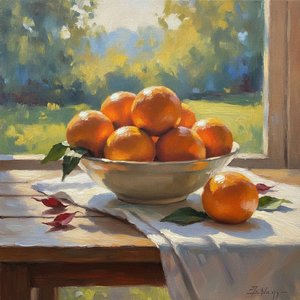
  • notable elements: Still life with apples, oranges, bananas, bowl, and chair.
  • subject: Fruit
  • title: Apples

Sanat Bilgisi Testi

Her soru için yalnızca bir doğru cevap bulunmaktadır.

Soru 1:
James Ensor is primarily known as a painter from which country?
Soru 2:
Based on the description, what is the primary subject matter of 'Apples'?
Soru 3:
The description mentions several fruits in the painting. Which of the following is NOT listed as being present?
Soru 4:
Considering Ensor's broader body of work, which themes are often explored in his paintings?

Eser Açıklaması

A Quiet Abundance: Exploring James Ensor’s “Apples”

This still life, simply titled “Apples,” offers a glimpse into James Ensor's often-overlooked explorations beyond his more famous grotesque and satirical works. While known for challenging artistic conventions, Ensor also possessed a keen eye for the beauty of everyday objects, as evidenced in this intimate depiction of fruit arranged on a table. The painting features a collection of apples – alongside oranges and bananas – scattered with casual abundance. A bowl suggests further bounty hidden from full view, while a solitary chair anchors the composition to a domestic setting.

Style & Technique: Impressionistic Touches within Symbolist Framework

Though Ensor is firmly placed within the Symbolist movement, “Apples” reveals subtle influences of Impressionism in its handling of light and color. The brushwork isn’t overtly expressive, but it's loose enough to capture the sheen on the fruit and suggest a sense of immediacy. Ensor’s technique here is characterized by a careful observation of form combined with a slightly muted palette, creating an atmosphere that feels both realistic and dreamlike. This contrasts sharply with the often-garish colors found in his more well-known pieces, like “The Fall of the Rebellious Angels.” He employs a relatively traditional oil painting technique, building up layers to achieve depth and texture, but always with a distinctive personal touch.

Historical Context: A Moment of Repose

Created sometime during Ensor’s prolific career (1860-1949), “Apples” stands as a quiet counterpoint to the turbulent social and political climate of late 19th and early 20th century Belgium. While Europe braced for war, and artistic movements like Expressionism began to emerge, Ensor occasionally retreated into these more intimate studies of still life. These works offer insight into his personal world and a respite from the anxieties that fueled much of his satirical output. He was moving away from direct social commentary at times, exploring instead the inherent beauty in simple subjects. His earlier training at the Académie Royale des Beaux-Arts provided him with a solid foundation in traditional techniques, which he then subverted and adapted to his unique vision.

Symbolism & Interpretation: Beyond Simple Representation

While seemingly straightforward, even Ensor’s still lifes are imbued with potential symbolism. Apples themselves have long held symbolic weight – representing temptation, knowledge, and the fall of man in religious iconography. In this context, however, their meaning is more ambiguous. The presence of other fruits—oranges symbolizing prosperity and bananas hinting at exoticism—adds layers to the interpretation. The chair, often a symbol of absence or waiting, introduces a subtle melancholic note. It’s possible Ensor intended these elements not as explicit allegories but rather as evocative details that invite contemplation on themes of transience, abundance, and the beauty of fleeting moments.

Emotional Impact & Aesthetic Appeal

“Apples” evokes a sense of peaceful domesticity and quiet contemplation. The composition is balanced and harmonious, creating a visually pleasing experience. The painting’s subdued colors and soft lighting contribute to its calming effect. For collectors and interior designers, this work offers versatility – it can seamlessly integrate into various settings, from traditional to contemporary spaces. Its understated elegance makes it an ideal piece for those seeking artwork that is both beautiful and intellectually stimulating. It's a reminder that even within the oeuvre of a radical artist like James Ensor, there exists a profound appreciation for the simple pleasures of life.

Sanatçı Özgeçmişi

James Ensor: A Pioneer of Expressionism and Surrealism

James Sidney Edouard Ensor (Ostend, 13 April 1860-19 November 1949) was a Belgian painter and printmaker, an important influence on expressionism and surrealism who lived in Ostend for almost his entire life. He was associated with the artistic group Les XX.

Early Life and Artistic Training

Ensor’s father, James Frederic Ensor, born in Brussels to English parents, was a cultivated man who studied engineering in England and Germany. Ensor’s mother, Maria Catharina Haegheman, was Belgian. Ensor himself lacked interest in academic study and left school at the age of fifteen to begin his artistic training with two local painters. From 1877 to 1880 he attended the Académie Royale des Beaux-Arts in Brussels, where one of his fellow students was Fernand Khnopff. Ensor first exhibited his work in 1881.

The Emergence of Expressionist Style

During the late 19th century much of Ensor’s work was rejected as scandalous, particularly his painting Christ’s Entry Into Brussels (1888–89). The Belgium art critic Octave Maus famously summed up the response from contemporaneous art critics to Ensor's innovative (and often scathingly political) work: “Ensor is the leader of a clan. Ensor is the limelight. Ensor sums up and concentrates certain principles which are considered to be anarchistic. In short, Ensor is a dangerous person who has great changes. ... He is consequently marked for blows. It is at him that all the harquebuses are aimed. It is on his head that are dumped the most aromatic containers of the so-called serious critics.” Some of Ensor's contemporaneous work reveals his defiant response to this criticism.

Key Works and Recurring Themes

Ensor’s artistic style evolved dramatically over time, reflecting a profound engagement with psychological exploration and social critique. Initially influenced by Rembrandt, Redon, Goya, Japanese woodcuts, Brueghelian images and contemporary spoofs, Ensor developed a highly personal iconography and design. He rejected French Impressionism and Symbolism and lent himself to the expressive qualities of light, line, colour and the grotesque and macabre motifs such as carnival masks and skeletons, which he rendered in massive tableaux such as *The Aureoles of Christ* (1885–86) and *Skeletons Fighting over a Hanged Man* (1891). These grotesque metamorphoses culminate in Ensor’s most well-known and monumental mask tableau: *Christ’s Entry Into Brussels* (1888–89, oil on canvas, Los Angeles, J. Paul Getty Museum).

Legacy and Influence

Ensor is now widely recognized as a pivotal figure in the transition from 19th-century Symbolism to early 20th-century Expressionism and Surrealism—a true pioneer of modern art. His fearless exploration of the subconscious, his embrace of grotesque imagery, and his rejection of academic conventions paved the way for future generations of artists who dared to challenge artistic norms. Despite facing initial resistance, Ensor eventually gained recognition in his later years, being named a Baron by King Albert I in 1929 and awarded the Légion d’honneur in 1933. He died in Ostend in 1949, leaving behind a body of work that continues to captivate, disturb, and inspire.

James Ensor

James Ensor

1860 - 1949 , Belçika

Kısa Bilgiler

  • Artistic Movement Or Style: Expressionism, Surrealism
  • Artists Who Influenced This Artist:
    • Bruegel the Elder
    • Francisco Goya
    • Whistler
  • Date Of Birth: April 13, 1860
  • Date Of Death: November 19, 1949
  • Full Name: James Sidney Edouard Ensor
  • Nationality: Belgian
  • Notable Artworks:
    • The Scandalized Masks
    • Skeletons Fighting...
    • Christ's Entry into Brussels
  • Place Of Birth: Ostend, Belgium
Temalara, stillere ve özelliklere göre düzenlenmiş sanat eserlerini keşfedin.