


 Gerçek Boyutta Önizle
 Paylaş
 Paylaş
 Detayları Gör
 Rehber

 İndir
İndir
 Benzer ürünler
 X-Işını
 Slayt Gösterisi
 Soru & Cevap
 İstatistikler
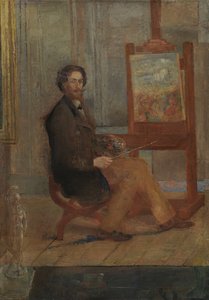
La dame en detresse

 Tümünü Gör
Web önizlemesinin çok ötesinde, baskıya hazır bir dosya edinin. Sattığımız her dijital görüntü, stok veri tabanımızdaki yüksek çözünürlüklü bir ana dosyadan —genellikle 5.000 ila 15.000 piksel genişliğinde— gelir; böylece büyük boyutlarda baskı alabilir, dar kırpmalar yapabilir veya ince detayları güvenle yeniden üretebilirsiniz.
Stüdyomuzdan çıkan hiçbir dosya işlenmeden çıkmaz. Bir dijital uzman, renkleri orijinal tabloyla karşılaştırarak kontrol eder ve gerekirse düzeltir; ardından profesyonel rötuş araçlarıyla netliği ve detayları artırır — bunu yaparken her zaman sanatçının fırça darbelerine ve üslubuna sadık kalır. Sonuç, filtrelenmiş bir tarama gibi değil, bizzat tablonun kendisi gibi görünen bir görüntüdür.
İşlem tamamlanmadan önce onayınız alınır: Uzmanımız, incelemeniz için görseli 72 saat içinde e-posta ile gönderir. Memnun kalmadınız mı? İyileştirme veya düzeltme talep edebilir ya da kalite beklentinizin altında kalırsa iade isteyebilirsiniz.
Yayıncıların, tasarım stüdyolarının, galerilerin ve matbaaların güvendiği kalite budur.
Dijital Görsel Sanatlar
Kişisel kullanım, baskı ve yaratıcı projeleriniz için yüksek çözünürlüklü bir dosya indirin. ( Baskı Satışına Geç El Yapımı Tablo Satın Al)
Her Dijital Görüntü Siparişine Dahil Olanlar
Uzman Dijital Teslimat Garantisi
AllPaintingsStore.com seçtiğinizde, sadece bir görsel edinmekle kalmaz; titizlikle hazırlanmış, profesyonelce iyileştirilmiş dijital bir sanat eserine sahip olur ve memnuniyet garantisiyle güvence altına alınırsınız. Siparişinizle birlikte otomatik olarak sunulan her şey şunlardır:

Hızlı E-posta ile Teslimat
Yüksek çözünürlüklü dijital görüntü dosyanız, siparişinizin ardından en geç 72 saat içinde e-posta ile size gönderilecek ve hemen kullanıma hazır olacaktır.

Yapay Zeka Destekli Dijital Görüntü İşleme
Sanat eseriniz; maksimum detay, netlik ve renk doğruluğu sağlamak amacıyla gelişmiş yapay zeka araçları ve manuel düzenleme kullanılarak profesyonelce optimize edilmektedir.

Ömür Boyu Ücretsiz Yeniden Gönderim
Dosyanızı yanlışlıkla mı sildiniz yoksa kayıp mı oldu? Endişelenmeyin; dosyanızı dilediğiniz zaman size ücretsiz olarak tekrar göndereceğiz.

Hiçbir Zaman İthalat Ücreti Ödemeyin
Sanat eserinizin tadını gümrük vergisi, harç veya teslimat ücreti ödemeden anında çıkarın; dijital indirmeler her zaman vergiden muaftır.

Renk Doğruluğu Garantisi
Profesyonel araçlar ve renk yönetimi kullanarak dijital görselinizin orijinal renklere mümkün olduğunca yakın yansıtılmasını sağlıyoruz.

100 Günlük Memnuniyet Garantisi
If you're not satisfied with your digital image, we'll revise it or refund 100% within 100 days - no questions asked.

100% Para İadesi Garantisi
Memnun kalmadınız mı? Dijital dosyanızı teslim aldıktan sonraki 100 gün içinde, hiçbir soru sorulmaksızın tam para iadesi alabilirsiniz.

Toplu Sipariş İndirimleri
Buy 3 images, save 10% - Buy 5, save 15% - Buy 10+, save 20%. Great for creative projects, galleries, and agencies.
A Chamber of Sorrow: Exploring James Ensor’s ‘La Dame en Detresse’
This haunting work by Belgian master James Ensor, titled *La Dame en Detresse* (The Lady in Distress), offers a deeply moving and psychologically charged scene. While the exact date of its creation remains unknown, it exemplifies Ensor's distinctive approach to Impressionism, pushing beyond mere optical representation towards an exploration of inner states and existential themes. The painting presents a figure – a woman – lying upon a bed within a dimly lit room, immediately establishing a mood of vulnerability, illness, or perhaps even death.Style & Technique: An Impressionistic Descent into the Psychological
Ensor’s style in this piece is readily identifiable as Impressionistic, yet diverges from the brighter palettes and outdoor scenes favored by many of his contemporaries. Here, he employs a deliberately muted and somber color scheme – dominated by dark tones and diffused light – to create an atmosphere of profound melancholy. Loose brushwork and visible layering of paint are key characteristics, contributing to a sense of texture and emotional rawness. The flattened perspective isn’t about accurate spatial representation; rather, it serves to heighten the feeling of claustrophobia and psychological intensity. The artist prioritizes capturing an *impression* of grief and isolation over precise detail, allowing the viewer's own emotions to fill in the gaps.Subject & Composition: A Narrative of Loss
The composition is powerfully centered around the bed – a traditional symbol of rest, intimacy, and ultimately, mortality. The figure on the bed remains somewhat ambiguous; we do not see her face clearly, which amplifies the sense of mystery and universalizes her suffering. A window to the left provides the primary light source, casting long shadows that emphasize the enclosure and loneliness of the space. Drapery adds a softness but also contributes to the overall gloom, suggesting both protection and confinement. The surrounding furniture is rendered simply, serving as grounding elements within this emotionally charged environment.Historical Context: Ensor & The Fin de Siècle
James Ensor (1860-1949) was a pivotal figure in the transition from Impressionism to Expressionism. Born in Ostend, Belgium, he rejected academic conventions and developed a highly personal style characterized by grotesque imagery, social satire, and profound psychological insight. *La Dame en Detresse* emerges from the cultural climate of the Fin de Siècle – the end of the 19th century – a period marked by anxieties about modernity, societal decay, and existential questioning. Ensor’s work often reflects these concerns, exploring themes of death, illness, and the fragility of human existence. He was largely unappreciated during his lifetime but is now recognized as a major innovator in modern art.Symbolism & Emotional Impact: A Meditation on Mortality
The painting resonates with potent symbolism. The darkened room can be interpreted as representing the interior life, or even the subconscious mind. The figure’s posture suggests vulnerability and surrender, evoking feelings of empathy and sorrow in the viewer.- The bed itself symbolizes not only physical rest but also the finality of death.
- The diffused light hints at a fading hope or a spiritual presence.
- The overall atmosphere evokes themes of loss, solitude, and the inevitability of decay.
Soru ve Cevaplar
James Ensor imzalı "La dame en detresse" eserinin telif hakkı durumunu ne açıklamaktadır?
James Ensor imzalı "La dame en detresse" adlı eser kamu malıdır - telif hakkı süresi dolmuştur statüsündedir. Telif hakları süresi sanatçının ölüm tarihinden itibaren hesaplanmaktadır ve James Ensor, 1949 yılında vefat etmiştir.
"La dame en detresse" için önerilen baskı formatı nedir; hangi boyut ve hangi yönlendirme ile basılmalıdır?
"La dame en detresse" için önerilen baskı düzeni, Large boyutunda ve Portrait yönlendirmesindedir.
"La dame en detresse" adlı eser, James Ensor'in diğer çalışmalarıyla hangi ortak noktaları paylaşıyor?
James Ensor'in eserleri arasında yer alan "La dame en detresse", exploration of anxiety, morbid themes, personal trauma, recurring motifs, symbolism, romanticism, pre-raphaelite, death temalarıyla birlikte Impressionism üslubunda konumlanmaktadır.
Benzer Eserler


Sanatçı Özgeçmişi
James Ensor: A Pioneer of Expressionism and Surrealism
James Sidney Edouard Ensor (Ostend, 13 April 1860-19 November 1949) was a Belgian painter and printmaker, an important influence on expressionism and surrealism who lived in Ostend for almost his entire life. He was associated with the artistic group Les XX.
Early Life and Artistic Training
Ensor’s father, James Frederic Ensor, born in Brussels to English parents, was a cultivated man who studied engineering in England and Germany. Ensor’s mother, Maria Catharina Haegheman, was Belgian. Ensor himself lacked interest in academic study and left school at the age of fifteen to begin his artistic training with two local painters. From 1877 to 1880 he attended the Académie Royale des Beaux-Arts in Brussels, where one of his fellow students was Fernand Khnopff. Ensor first exhibited his work in 1881.
The Emergence of Expressionist Style
During the late 19th century much of Ensor’s work was rejected as scandalous, particularly his painting Christ’s Entry Into Brussels (1888–89). The Belgium art critic Octave Maus famously summed up the response from contemporaneous art critics to Ensor's innovative (and often scathingly political) work: “Ensor is the leader of a clan. Ensor is the limelight. Ensor sums up and concentrates certain principles which are considered to be anarchistic. In short, Ensor is a dangerous person who has great changes. ... He is consequently marked for blows. It is at him that all the harquebuses are aimed. It is on his head that are dumped the most aromatic containers of the so-called serious critics.” Some of Ensor's contemporaneous work reveals his defiant response to this criticism.
Key Works and Recurring Themes
Ensor’s artistic style evolved dramatically over time, reflecting a profound engagement with psychological exploration and social critique. Initially influenced by Rembrandt, Redon, Goya, Japanese woodcuts, Brueghelian images and contemporary spoofs, Ensor developed a highly personal iconography and design. He rejected French Impressionism and Symbolism and lent himself to the expressive qualities of light, line, colour and the grotesque and macabre motifs such as carnival masks and skeletons, which he rendered in massive tableaux such as *The Aureoles of Christ* (1885–86) and *Skeletons Fighting over a Hanged Man* (1891). These grotesque metamorphoses culminate in Ensor’s most well-known and monumental mask tableau: *Christ’s Entry Into Brussels* (1888–89, oil on canvas, Los Angeles, J. Paul Getty Museum).
Legacy and Influence
Ensor is now widely recognized as a pivotal figure in the transition from 19th-century Symbolism to early 20th-century Expressionism and Surrealism—a true pioneer of modern art. His fearless exploration of the subconscious, his embrace of grotesque imagery, and his rejection of academic conventions paved the way for future generations of artists who dared to challenge artistic norms. Despite facing initial resistance, Ensor eventually gained recognition in his later years, being named a Baron by King Albert I in 1929 and awarded the Légion d’honneur in 1933. He died in Ostend in 1949, leaving behind a body of work that continues to captivate, disturb, and inspire.
James Ensor
1860 - 1949 , Belçika
Kısa Bilgiler
- Artistic Movement Or Style: Expressionism, Surrealism
- Artists Who Influenced This Artist:
- Bruegel the Elder
- Francisco Goya
- Whistler
- Date Of Birth: April 13, 1860
- Date Of Death: November 19, 1949
- Full Name: James Sidney Edouard Ensor
- Nationality: Belgian
- Notable Artworks:
- The Scandalized Masks
- Skeletons Fighting...
- Christ's Entry into Brussels
- Place Of Birth: Ostend, Belgium