Para İadesi Garantisi · 100 gün Dünya Çapında Ücretsiz Teslimat
449.587sanat eserleri 30.613sanatçılar 4.660müzeler 32Dil Seçenekleri
Catalogue entry

The Gendarmes

Etching.

Fig. 1. James Ensor, The Gendarmes. Shown as the reproduction you are specifying: , .

§ 1Catalogue data

§ 2Abstract

Koleksiyon Açıklaması

James Ensor’s ‘The Gendarmes’ – a haunting monochromatic etching depicting a crowded scene of soldiers & civilians. Explore Expressionism's unsettling style & social commentary.

Sanatçı Özgeçmişi

James Ensor (1860-1949), İkinci Dünya Savaşı sırasında Ostend’de yaşamasına rağmen Bomba saldırılarından kaçınan Belçika sanatçısıdır. Les XX sanat grubunun üyelerinden biriydi. Ayrıca Ekspresyonizm ve Surrealizm hareketlerine önemli bir etkisi olan ve Rembrandt, Goya ve Whistler gibi sanatçılardan etkilenen Bir İngiliz babası ve Bir Belçika annesi tarafından dünyaya gelen İskoçya doğumlu bir eser

§ 3Commentary

A Chronicle of Order and Disquiet: Unpacking James Ensor’s “The Gendarmes”

James Ensor's "The Gendarmes," a powerfully evocative monochromatic etching, isn’t merely a depiction of a scene; it’s a carefully constructed tableau brimming with social commentary and unsettling psychological depth. Completed in 1888, this work immediately draws the viewer into a densely packed urban landscape – a chaotic confluence of soldiers, civilians, and an atmosphere thick with unspoken tension. The image, born from Ensor's unique perspective as a Belgian artist living in Ostend, reflects his fascination with masks, carnivals, and the darker aspects of human nature, all rendered through the meticulous precision of etching technique.

The composition itself is deliberately claustrophobic. Figures are layered upon one another, creating an almost suffocating sense of proximity. Linear perspective is subtly flattened, suggesting a stage-like presentation rather than a realistic portrayal of space – a deliberate choice that amplifies the feeling of observation and detachment. The soldiers, rendered with exaggerated features and a certain severity in their expressions, dominate the scene, embodying authority and order. Yet, even within this framework of control, there’s an undeniable undercurrent of unease, hinting at the potential for rebellion or dissent simmering beneath the surface.

The Language of Line: Technique and Artistic Process

Ensor's mastery lies in his command of etching. The work is executed with thick, expressive lines that define forms with remarkable clarity while simultaneously generating a rich textural quality. These aren’t delicate, refined lines; they possess a palpable energy, conveying the urgency and intensity of the scene. The monochromatic palette – primarily shades of grey – further enhances this effect, stripping away any distractions and focusing attention on the intricate details of the composition and the expressive power of the linework. The process itself—incising into a metal plate and then applying ink before pressing onto paper—is evident in the grainy texture that surfaces, lending the image a tactile quality that invites close examination.

Notably, Ensor employed gouache additions to the etching plate, subtly enhancing certain areas with color. This layering of techniques adds another layer of complexity and visual interest, particularly noticeable in the faces of some figures, where the use of color contributes to their psychological intensity. The careful control demonstrated in this process speaks volumes about Ensor’s artistic discipline and his ability to manipulate the etching medium to achieve a specific effect.

Symbolism and Social Critique

“The Gendarmes” is far more than just a snapshot of a street scene; it's a potent symbol of societal control and the anxieties of the late 19th century. The uniforms and weaponry of the soldiers immediately evoke notions of authority, law enforcement, and potentially, repression. However, Ensor doesn’t simply celebrate these symbols of order. Instead, he presents them within a context that suggests their potential for misuse or abuse. The watchful gaze of the gendarmes, coupled with the apprehensive expressions of the onlookers, hints at a power dynamic fraught with tension.

The presence of masks – a recurring motif in Ensor’s work – is particularly significant. They represent hidden identities, deception, and the performance of social roles. The scene itself can be interpreted as a commentary on the superficiality of appearances and the underlying anxieties of a rapidly changing society. Considering Ensor's upbringing amidst the spectacle of Ostend's carnival, it’s reasonable to suggest that this image reflects his lifelong engagement with themes of disguise and the unsettling nature of human behavior.

A Legacy of Expression: Ensor’s Enduring Influence

James Ensor stands as a pivotal figure in the development of both Expressionism and Surrealism. “The Gendarmes” exemplifies his unique artistic vision – a blend of realism, symbolism, and psychological intensity that continues to resonate with viewers today. His willingness to challenge conventional artistic norms and explore unsettling subject matter paved the way for future generations of artists who sought to express their inner worlds through unconventional means. Reproductions of this powerful etching offer a remarkable opportunity to experience firsthand the genius of James Ensor and to contemplate the enduring relevance of his profound social commentary.

Soru ve Cevaplar

James Ensor imzalı "The Gendarmes" eserinin renkleri canlı mı yoksa mat mı?

James Ensor imzalı "The Gendarmes", Subtle Color doygunlukta kaydedilmiştir.

"The Gendarmes" eseri güçlü ışık-karanlık kontrastları sergiliyor mu?

"The Gendarmes" eserinin açık-koyu kontrastı Gentle olarak kaydedilmiştir. Kontrast, açık ve koyu alanların birbirinden ne kadar güçlü bir şekilde ayrıldığını tanımlar.

"The Gendarmes" eserinin telif hakkı durumu neden bu şekildedir?

James Ensor imzalı "The Gendarmes" adlı eser kamu malıdır - telif hakkı süresi dolmuştur statüsündedir. Telif hakları süresi sanatçının ölüm tarihinden itibaren hesaplanmaktadır ve James Ensor, 1949 yılında vefat etmiştir.
§ 4The artist

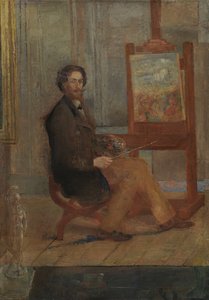
James Ensor

James Ensor

1860 - 1949, Belçika

Quick facts about James Ensor

  • Artistic Movement Or Style: Expressionism, Surrealism
  • Artists Who Influenced This Artist:
    • Bruegel the Elder
    • Francisco Goya
    • Whistler
  • Date Of Birth: April 13, 1860
  • Date Of Death: November 19, 1949
  • Full Name: James Sidney Edouard Ensor
  • Nationality: Belgian
  • Notable Artworks:
    • The Scandalized Masks
    • Skeletons Fighting...
    • Christ's Entry into Brussels
  • Place Of Birth: Ostend, Belgium

Sanatçı Biyografisi

James Ensor: A Pioneer of Expressionism and Surrealism

James Sidney Edouard Ensor (Ostend, 13 April 1860-19 November 1949) was a Belgian painter and printmaker, an important influence on expressionism and surrealism who lived in Ostend for almost his entire life. He was associated with the artistic group Les XX.

Early Life and Artistic Training

Ensor’s father, James Frederic Ensor, born in Brussels to English parents, was a cultivated man who studied engineering in England and Germany. Ensor’s mother, Maria Catharina Haegheman, was Belgian. Ensor himself lacked interest in academic study and left school at the age of fifteen to begin his artistic training with two local painters. From 1877 to 1880 he attended the Académie Royale des Beaux-Arts in Brussels, where one of his fellow students was Fernand Khnopff. Ensor first exhibited his work in 1881.

The Emergence of Expressionist Style

During the late 19th century much of Ensor’s work was rejected as scandalous, particularly his painting Christ’s Entry Into Brussels (1888–89). The Belgium art critic Octave Maus famously summed up the response from contemporaneous art critics to Ensor's innovative (and often scathingly political) work: “Ensor is the leader of a clan. Ensor is the limelight. Ensor sums up and concentrates certain principles which are considered to be anarchistic. In short, Ensor is a dangerous person who has great changes. ... He is consequently marked for blows. It is at him that all the harquebuses are aimed. It is on his head that are dumped the most aromatic containers of the so-called serious critics.” Some of Ensor's contemporaneous work reveals his defiant response to this criticism.

Key Works and Recurring Themes

Ensor’s artistic style evolved dramatically over time, reflecting a profound engagement with psychological exploration and social critique. Initially influenced by Rembrandt, Redon, Goya, Japanese woodcuts, Brueghelian images and contemporary spoofs, Ensor developed a highly personal iconography and design. He rejected French Impressionism and Symbolism and lent himself to the expressive qualities of light, line, colour and the grotesque and macabre motifs such as carnival masks and skeletons, which he rendered in massive tableaux such as *The Aureoles of Christ* (1885–86) and *Skeletons Fighting over a Hanged Man* (1891). These grotesque metamorphoses culminate in Ensor’s most well-known and monumental mask tableau: *Christ’s Entry Into Brussels* (1888–89, oil on canvas, Los Angeles, J. Paul Getty Museum).

Legacy and Influence

Ensor is now widely recognized as a pivotal figure in the transition from 19th-century Symbolism to early 20th-century Expressionism and Surrealism—a true pioneer of modern art. His fearless exploration of the subconscious, his embrace of grotesque imagery, and his rejection of academic conventions paved the way for future generations of artists who dared to challenge artistic norms. Despite facing initial resistance, Ensor eventually gained recognition in his later years, being named a Baron by King Albert I in 1929 and awarded the Légion d’honneur in 1933. He died in Ostend in 1949, leaving behind a body of work that continues to captivate, disturb, and inspire.

§ 5Comparanda

§ 6Questions

Kısa Bilgiler

  • Location: Art Institute Chicago
  • Year: 1888
  • Title: The Gendarmes
  • Artistic style: Stylized figures
  • Subject or theme: Military life

Sanat Bilgisi Testi

Her soru için yalnızca bir doğru cevap bulunmaktadır.

Soru 1:
What is the primary technique employed by James Ensor in ‘The Gendarmes’?
Soru 2:
The composition of ‘The Gendarmes’ is characterized by:
Soru 3:
What is the likely symbolic significance of the soldiers in ‘The Gendarmes’?
Soru 4:
Based on the description, what is a key characteristic of Ensor’s artistic style as seen in ‘The Gendarmes’?
Soru 5:
The diffused lighting in ‘The Gendarmes’ suggests:

§ 7Cite this entry

AllPaintingsStore.com, “James Ensor, The Gendarmes”, https://allpaintingsstore.com/tr/art/james-ensor-the-gendarmes-8BWRV9-en/ (accessed 4 Ekim 2026).

§ 8The reproduction

El Yapımı Yağlı Boya Reproduksiyon

Sanatçılarımız tarafından sipariş üzerine hazırlanan; istediğiniz boyut ve çerçevede, tuval üzerine el boyaması yağlı boya. ( Baskı Satışına Geç Dijital Görsel Satışına Geç)

It is specified on the order sheet in the margin; the present state of that sheet reads as follows.

The Gendarmes

Baskı Tekniği

Baskı Boyutu

-

Seçkin Kıdemli Sanatçı

Daha fazla detay, incelik ve ek üretim süresi

-

Reproduksiyon Çerçeve Seçenekleri

-

-

Herhangi bir kenarı 105 cm'den (yaklaşık 41 inç) büyük olan sanat eserleri veya reprodüksiyonlar için çerçeve, demonte edilmiş bir kit halinde gönderilecektir. Bu yöntem, güvenli teslimat sağlar ve taşıma sırasında oluşabilecek hasarları önler.

Profesyonel montaj gereklidir; bu ürün kendin yap (DIY) tarzı bir ürün değildir.
Kit; ahşap tutkalı (pakete dahil değildir), kanvas germe pensi ve tutkal kururken çıtaların dik durmasını sağlayacak işkenceler kullanılarak, deneyimli bir profesyonel çerçeveci tarafından monte edilmeli ve kanvas gerilmelidir. Hatalı montaj veya dengesiz kanvas gerginliği sanat eserine kalıcı zarar verebilir ve bu durum garantimiz kapsamında değildir.

  • Tüm masif ahşap çıtalar dahildir, montaj için hassas bir şekilde ölçülmüştür.

  • Paket içeriğinde bulunan vidalar ve köşe birleşimleri için çerçeve ustanız tarafından temin edilmesi gereken, ancak pakete dahil olmayan ahşap tutkalı ile monte edilir.

  • Profesyonel araçlar gereklidir ve pakete dahil değildir: bir tuval germe aparatı (gerdirici) ve yapıştırıcı kururken çıtaların dik durmasını sağlayacak kıskaçlar.

Önemli:
Köşe bağlantıları için ahşap tutkalı gereklidir; tutkal tamamen kuruyana kadar çıtalar işkenceler ile sabitlenmelidir ve monte edilmiş çerçeve üzerindeki kanvasın gerilmesi için bir kanvas germe pensine ihtiyaç duyulur. Bunların hiçbiri kit içerisinde yer almamaktadır. Lütfen bu boyutu sipariş etmeden önce deneyimli bir profesyonel çerçeve ustası ile anlaşın.

İsimlik

-

-

Koruyucu Vernik

Parlak Vernik (renkleri canlandırır; ışığa ve neme karşı koruma sağlar)

-

Eserimi Özelleştir

Değiştirilebilecek örneklere göz atın: Yüzü müşteri fotoğrafıyla değiştirin; Evcil hayvan ekleyin (örneğin, kediyi köpek ile değiştirin); Arka plana gizli bir mesaj dahil edin; Arka plan manzarasını veya öğelerini değiştirin.

-

Acil

Dünya Çapında Teslimat (); standart 5 hafta yerine 3/4 hafta içinde. (1 Kasım). Kaliteden ödün verilmez.

-

Hızlı Teslimat

için dünya çapında teslimat süresi 5 haftadır. (8 Kasım).

Dahil

Toplam Fiyat

₺ 20048

Included with every order

  • Dünya Çapında Ücretsiz Ekspres Kargo
  • Yüksek Kaliteli Keten Tuval
  • Tam Nakliye Sigortası
  • Gümrük Vergisi İadesi Garantisi
  • Gerçek Renk Uyumu Garantisi
  • 100 Günlük İade Koşulları (Sadece Üretim Hatalı Ürünler İçin)
  • %100 Para İade Garantisi
  • Toplu Alım Avantajı
Temalara, stillere ve özelliklere göre gruplandırılmış sanat eserlerini keşfedin.
Order sheet