


 Gerçek Boyutta Önizle
 Paylaş
 Paylaş
 Detayları Gör
 Rehber

 İndir
İndir
 Benzer ürünler
 X-Işını
 Slayt Gösterisi
 Q&A
Q&A İstatistikler
untitled (5187)


 Tümünü Gör
Giclée / Sanat Baskısı
Hızlı üretim ve esnek bitiş seçenekleriyle müze kalitesinde giclée veya kanvas baskı. ( El Yapımı Tablo Satın Al Dijital Görsele Geç)




P118B ₺10

P118H ₺10

P118W ₺10

P438Z ₺10

P508JH ₺12

P508YH ₺12

P805H ₺10

P805Z ₺10

P919BZ ₺10

P919G ₺10

P919XJ ₺10

P959ZH ₺10

P968JZ ₺12

W106C ₺8

W218G ₺10

W218JH ₺8

W218Y ₺10

W307PJ ₺10

W316G ₺10

W316PJ ₺8

W316Y ₺10

W398PJ ₺8

W4111J ₺10

W500HY ₺15

W500JH ₺15

W692G ₺12

W849H ₺8

W940BG ₺15

W953PJ ₺8




Eserin orijinal oranlarıyla uyumlu, önceden belirlenmiş boyutlarımız arasından seçim yapın.

Çerçevenize veya duvarınıza uygun olması için ihtiyacınız olan genişlik ve yüksekliği yazın. Bir baskı yalnızca kesilebilir, görselden daha büyük hale getirilemez; bu nedenle farklı bir formdaki boyut seçimi, görselin bir kısmının kaybına neden olur. Herhangi bir baskı yapmadan önce onaylamanız için size bir dijital taslak gönderiyoruz. Bu sayfada gösterilen resim gerçek kesimi göstermez — bunu yalnızca taslak gösterir.
Dünya Çapında Teslimat (); standart 4/5 hafta yerine 2 haftada. (2 Kasım)

Dünya Çapında Ücretsiz Ekspres Kargo

Yüksek Kaliteli Keten Kanvas

Tam Nakliye Sigortası

Gümrük Vergisi İadesi Garantisi

Gerçek Renk Uyumu Garantisi

100 Günlük İade Politikası (Sadece Kusurlu Ürünler İçin)

%100 Para İade Garantisi

Toplu Alım İndirimi
 Cam seçeneği yalnızca 110 cm altındaki boyutlar için mevcuttur.

untitled (5187)
Giclée / Sanat Baskısı
Reproduksiyon Boyutu
-


Toplam Tutar
₺ 3146
A Window Into Faith: The Luminous World of Jan van Eyck
In the quiet corners of fifteenth-century Flanders, a revolution was unfolding, not through the clash of swords, but through the delicate application of oil on panel. Jan van Eyck, a master whose name remains synonymous with the dawn of the Northern Renaissance, captured this transformative era in his untitled masterpiece (5187). This painting is far more than a mere depiction of a religious scene; it is an invitation to step through a portal into a world where the divine and the earthly are inextricably linked. As one gazes upon the composition, there is an immediate sense of profound stillness, a meditative atmosphere that draws the viewer into a sacred dialogue between the figures and the light that bathes them.
The scene unfolds before a doorway, a threshold that serves as a powerful metaphor for spiritual transition. A woman, draped in a vibrant, commanding red—a hue traditionally evocative of both royal dignity and divine grace—stands as the focal point of this devotion. She holds aloft a book, perhaps a sacred scripture, her posture suggesting a moment of deep contemplation or the sharing of holy wisdom. Beside her, a figure in somber black provides a grounding contrast, creating a visual balance that mirrors the duality of human existence: the earthly struggle and the spiritual aspiration. The presence of birds, perched subtly within the frame, adds a layer of naturalistic grace, reminding us that even the smallest creatures are part of this divine tapestry.
The Alchemy of Light and Oil
What truly elevates this work to the status of a cornerstone of Early Netherlandish art is Van Eyck’s pioneering mastery of the oil medium. Before his innovations, artists primarily relied on tempera, which often resulted in flat, opaque surfaces. Van Eyck, however, utilized glazing techniques—the meticulous layering of thin, translucent washes of pigment over thicker undercoats. This process allowed light to penetrate the paint layers and reflect back from within, creating an unprecedented luminosity and a sense of "inner glow" that seems to emanate from the woman’s very skin and the heavy textures of the books.
This technical brilliance allows for an astonishing level of detail that captivates the eye and rewards prolonged study. One can almost feel the weight of the leather bindings on the shelves, the crispness of the paper, and the soft way light dances across the surfaces. For the collector or interior designer, this level of detail offers a profound depth; a high-quality reproduction of such a piece does not merely decorate a wall—it provides a focal point of intellectual and sensory richness, bringing a sense of historical weight and quiet sophistication to any curated space.
Symbolism and the Soul of the Northern Renaissance
Beyond the technical marvels lies a rich, coded language of symbolism that was central to the fifteenth-century mind. Every element in "Untitled (51 187)" is a deliberate choice intended to provoke thought. The books scattered throughout the scene, some resting on shelves and others held in trembling hands, serve as symbols of knowledge, piety, and the pursuit of divine truth through study. The interplay between the red and black garments further reinforces themes of passion and mourning, or life and death, creating a narrative tension that keeps the viewer emotionally engaged.
To possess or display a work inspired by Van Eyck is to embrace a legacy of meticulous observation and spiritual depth. This painting serves as a testament to a time when art was a bridge between the seen and the unseen. Whether viewed as an academic triumph of the Northern Renaissance or as a breathtaking piece of decorative fine art, the work continues to inspire awe, offering a timeless sanctuary of peace and beauty for the modern home.
Soru ve Cevaplar
"untitled (5187)" adlı eser, Jan Van Eyck’in temaları ve üslubuyla nasıl bir bütünlük sağlıyor?
"untitled (5187)", temaları arasında influenced by gothic tradition, faith, spirituality, patronage significance yer alan Jan Van Eyck'in Early Netherlandish Painting dönemine ait bir eserdir.
Jan Van Eyck imzalı "untitled (5187)" eserinin parlaklık değeri nedir?
Jan Van Eyck imzalı "untitled (5187)", Soft Shadow düzeyinde bir parlaklığa sahiptir. Parlaklık, renklerin ne kadar ışık yansıtıyor gibi göründüğünü tanımlar.
Jan Van Eyck imzalı "untitled (5187)" ne düzeyde bir kontrast sunuyor?
Jan Van Eyck imzalı "untitled (5187)", açık ve koyu alanlar arasında Balanced bir kontrast sergiliyor.
Benzer Eserler


Sanatçı Özgeçmişi
Jan van Eyck: Erken Netheriçeli Resminin Işığı
Jan van Eyck, adı erken dönem Flaman resminin şafağını ve yağlı boya tekniğinin devrimci kullanımını çağrıştıran bir isimdir. 1390’ların başında Maastricht'te doğan Van Eyck, sanat tarihine yaptığı muazzam etkiye rağmen gizemli bir figür olarak kalmıştır. Ailesi sanatsal geleneğin içinde büyümüş ve ağabeyi Hubert de ressamlık yapmıştır; ancak Hubert'in çalışmaları hakkında detaylar oldukça sınırlıdır. Kesin biyografik bilgiler az olmasına rağmen, Jan’ın doğuştan gelen yeteneği açıkça görülmekteydi ve kısa sürede kendi döneminin sanat çevrelerinde öne çıkmıştır. 1422 yılına gelindiğinde, Lahey'de bir atölye kurmuş, yardımçılar çalıştırmış ve becerikliliğini gösteren komisyonları tamamlamıştır. Bu erken başarısı sadece sanatsal yeteneğe dayanmamaktaydı; Van Eyck zeki ve güvenilir bir adamdı ve bu nitelikler onu güçlü patronların dikkatini çekmeye yöneltmiştir.Burgonya Sarayı'na Hizmet: Diplomasi ve Sanatsal Yükseliş
Van Eyck’in kariyerindeki dönüm noktası, önce John III the Pitiless, ardından Philip the Good hükümdarlıkları altında Burgonya sarayına atanmasıyla gelmiştir. Bu sadece bir himaye düzenlemesi değildi; Van Eyck, onun ayrıntılara gösterdiği güveni ve zekasını kanıtlayarak diplomatik görevlerle de görevlendirilmiştir. Portugal ve İspanya da dahil olmak üzere Avrupa’daki bu geziler, onu çeşitli kültürlere ve sanatsal etkilere maruz bırakmış ve stilinin gelişimini şekillendirmiştir. Saray, sadece finansal güvenlik sağlamakla kalmamış, aynı zamanda Van Eyck'in iddialı projeleri takip edebilmesi için kaynaklara erişim imkanı sunmuş, böylece sanat olarak başarılabilen sınırları zorlamıştır. O, Burgonya elitleri *için* bir ressam olmanın ötesinde, onların dünyasının ayrılmaz bir parçası haline gelmiş ve sanatıyla itibarını yansıtarak yükseltmiştir. Bu eşsiz konum, çağının ressamlarının nadiren elde ettiği sanatsal özgürlük derecesini sağlamış, denemeler yapmasına ve sanatı kökten değiştirecek yenilikler getirmesine olanak tanımıştır.Yağlı Boyanın Kimyası: Bir Teknik Devrimi
Van Eyck yağlı boyayı icat etmemiş olsa da – kullanımı ondan önce de mevcuttu – onu kusursuz bir şekilde mükemmelleştiren kişidir. Onun yeniliklerinden önce tempera baskındı ve sınırlı karıştırma yetenekleri ile nispeten mat bir yüzey sunuyordu. Van Eyck, saydam sırların dikkatli katmanları aracılığıyla yağlı boyanın tüm potansiyelini ortaya çıkarmış, eşi görülmemiş bir detay, parlaklık ve gerçekçilik düzeyi elde etmiştir. Bu teknik, tonlarda ince geçişlere, daha zengin renklere ve kendisini yaşamı taklit eden dokular yaratan bir şeye izin vermiştir. Etki dönüştürücüydü; yüzeyler içten parlıyormuş gibi görünüyordu, kumaşlar dokunsal bir kaliteye sahipti ve portreler sadece benzerliği değil, aynı zamanda psikolojik derinliği de yakalamıştır. Onun ustalığı sadece teknik değildi – pigmentleri yaşayan gerçekliğe benzeyen bir şeye dönüştüren kimyasal bir süreçti. Bu yenilik göz ardı edilmedi; takip eden nesiller boyunca ressamlar için temel oluşturdu ve Batı sanatının manzarasını kökten değiştirdi.Başyapıtlar ve Kalıcı Miras
Van Eyck’in sanatsal mirası, nispeten küçük ama derin bir etki yaratan eserleriyle pekiştirilmiştir. 1432 yılında tamamladığı devasa çoklu panel resim olan Ghent Altarpiece (Gent Katedrali'ndeki Değişimin Şafağı), en iddialı girişimidir – dini sembolizm ve teknik parlaklığın karmaşık bir dokusu. Aynı şekilde ünlü olan Giovanni Arnolfini ve Karısı Portresi (1434), gerçekçiliği, ayrıntılı detayları ve gizemli sembolizmiyle portre sanatında çığır açan bir eserdir. Dresden Üçlemesi gibi diğer önemli çalışmalar, olağanüstü açıklıkla dini sahneleri tasvir etme becerisini sergilerken, çarpıcı Mavi Turbanlı Adam, bireysel karakteri yakalama yeteneğinin kanıtıdır. Bu resimler sadece görsel temsiller değildir; başka bir dünyaya açılan pencerelerdir – neredeyse takıntılı bir detaycılıkla titizlikle işlenmiş bir dünya. Van Eyck’in etkisi bu ikonik eserlerin çok ötesine uzanır, Erken Netheriçeli resminin gelişimini şekillendirir ve yüzyıllar boyunca sayısız sanatçıya ilham verir. 1441 yılında Brugge'de hayatını kaybetmiş, günümüze kadar yankılanmaya devam eden bir miras bırakmıştır; bu miras bize sanatin insan deneyimini aydınlatma gücünü hatırlatır.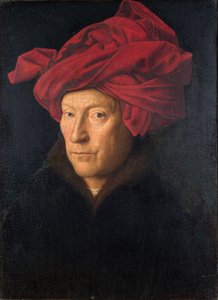
Jan Van Eyck
1390 - 1441 , Hollanda
Kısa Bilgiler
- Artistic Movement Or Style: Erken Netheri̇lancĭ Resim
- Artists Or Movements Influenced By This Artist: ['Erken Netheri̇lancĭ ressamlar']
- Date Of Birth: c. 1390
- Date Of Death: 1441
- Full Name: Jan van Eyck
- Nationality: Flaman
- Notable Artworks:
- Ghent Altarpiece
- Arnolfini Portresi
- Dresden Triptych
- Mavi Tübanlı Adam
- Place Of Birth: Maastricht, Netherlands
Benzer Yazılar

Early Netherlandish Renaissance: A Professional Guide to Mastering Detail and Realism for Luxury Interior Design
Expert guide for hotel designers on sourcing Early Netherlandish Renaissance reproductions. Discover how the hyper-realism of Jan van Eyck can elevate hospitality interiors through high-quality, large-scale oil paintings and custom multi-panel installations.


