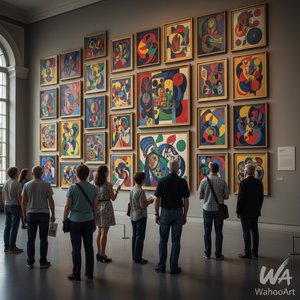
1932. Acrylic.

§ 1Katalog verileri


Bu Eser Telif Hakkı Koruması Altındadır
Bu sayfada sergilenen eser telif hakkı yasasıyla korunmaktadır; bu da yasal olarak eserin birebir kopyasını oluşturamayacağımız veya satamayacağımız anlamına gelir. Bu koruma, aşağıdakiler gibi uluslararası anlaşmalar kapsamında uygulanmaktadır: Bern Sözleşmesi ve aşağıdakiler de dahil olmak üzere ulusal yasalarca belirlenen ABD Telif Hakkı Kanunu - 17. Başlık.
Saygılı ve yasal bir alternatif olarak, orijinalinden ilham alan, kişiye özel, el boyaması sanat eserleri sunuyoruz. Deneyimli ve profesyonel sanatçılarımız, aynı duyguyu uyandıran yeni ve benzersiz bir eser yaratmak için orijinalin stilini, ruhunu ve sanatsal özünü titizlikle inceler; üstelik bu eser, kendi başına özgün bir üretim olarak kalır.
Bu yöntem, koruma altındaki sanat eserinin kopyalanmasını veya çoğaltılmasını içermediği için telif hakkı düzenlemelerine tam uyum sağlar. Bunun yerine, yaratıcı bir yeniden yorumlamadır; orijinalinden etkilenen ancak onunla aynı olmayan yeni bir tablodur.
 Daha fazla bilgi edinin
§ 2Soyut
Eser Açıklaması
Explore Joan Miró’s surrealist masterpiece ‘Cap d'home,’ featuring distorted faces and a luminous bulb against a vibrant yellow backdrop—a captivating glimpse into Catalan identity and the artist’s visionary exploration of dreams during the 1930s.
Sanatçı Biyografisi
Joan Miró: Sürrealizm ve soyutlamanın öncüsü! Katalan kimliğini yansıtan renkli dünyası, sembolik formları ve özgün tarzıyla modern sanatın en önemli figürlerinden biri. 'Çiftlik', 'Hollanda İçleri' gibi eserleriyle tanınıyor.
§ 3Yorumlar
A Surrealist Portrait: Exploring Joan Miró’s “Cap d'home”
The painting "Cap d'home," created by Catalan surrealist Joan Miró in 1932, transcends mere representation; it delves into the realm of subconscious imagery and embodies the core tenets of Miró’s artistic vision. Captured in a vibrant yellow hue—a color frequently employed by Miró to convey optimism and luminosity—the artwork presents an arresting depiction of a human head, rendered with deliberate distortions that elevate it beyond a literal portrait. This isn't simply about capturing likeness; it’s about conveying emotion and psychological depth through abstracted forms.- Style: Surrealism – Miró firmly established himself as a pioneer of surrealist art, rejecting rational thought in favor of dreamlike visions and automatic drawing techniques. He sought to liberate the imagination from constraints imposed by logic, prioritizing intuition and spontaneity.
- Technique: Miró’s distinctive style is characterized by bold lines, irregular shapes, and vibrant colors—primarily yellows, reds, blues, and greens—applied with thick impasto strokes. This textural approach contributes significantly to the artwork's expressive quality, creating a palpable sense of movement and dynamism.
- Historical Context: The painting emerged during the height of Surrealist fervor in Europe, fueled by the influence of Sigmund Freud’s psychoanalytic theories. Miró participated actively in the Surrealist movement alongside artists like André Breton and Max Ernst, reflecting the broader cultural preoccupation with exploring the unconscious mind and challenging conventional artistic conventions.
Symbolism Within Abstraction: Decoding the Visual Language
The composition of “Cap d'home” is laden with symbolic references that resonate beyond its surface appearance. The two faces positioned on opposing sides represent duality—the interplay between conscious and unconscious thought, rationality and emotion—a central preoccupation within Surrealist philosophy. Furthermore, the prominent light bulb symbolizes illumination and enlightenment, suggesting a quest for understanding and transcendence. Its placement in the center draws attention to this core concept, emphasizing Miró’s desire to illuminate hidden truths. The amorphous shapes surrounding the head contribute to an atmosphere of mystery and disorientation, mirroring the unpredictable nature of dreams and subconscious experiences.Emotional Resonance: Capturing Inner Turmoil and Hope
“Cap d'home” isn’t merely aesthetically striking; it possesses a profound emotional impact. The distorted head conveys vulnerability and introspection, hinting at underlying anxieties and unresolved emotions. Yet, the radiant yellow background offers a counterpoint to this melancholic element, symbolizing optimism and resilience—a testament to Miró’s unwavering belief in the transformative power of art. Ultimately, the artwork invites viewers to contemplate their own inner landscapes, prompting reflection on themes of identity, perception, and the elusive nature of reality. It stands as a powerful reminder that true beauty resides not just in visual perfection but in conveying profound emotional truths.Soru ve Cevaplar
"Cap d'home" eserini hangi palet ve baskın renk tanımlıyor?
"Cap d'home", Phthalo Green (#14151c) tonlarının öne çıktığı Earthy bir palet ile tanımlanmaktadır."
Joan Miró imzalı "Cap d'home" benzeri sanat eserlerini nerede bulabilirim?
"Cap d'home" ile benzer eserler, eserin Benzer Eserler sayfasında listelenmektedir.
"Cap d'home" eserinde en çok hangi renk öne çıkıyor?
Phthalo Green (#14151c), Joan Miró imzalı "Cap d'home" eserinin baskın rengidir.


 Baskı Satışına Geç


 Herhangi bir kenarı 105 cm'den (yaklaşık 41 inç) büyük olan sanat eserleri veya reprodüksiyonlar için çerçeve, demonte edilmiş bir kit halinde gönderilecektir. Bu yöntem, güvenli teslimat sağlar ve taşıma sırasında oluşabilecek hasarları önler.