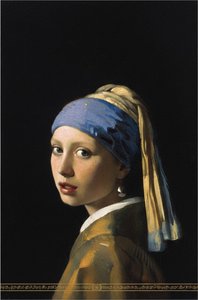
1928. Tuval Üzerine Akrilik Boya, 130.0 x 97.0 cm. Metropolitan Sanat Müzesi.

§ 1Katalog verileri

- 130.0 x 97.0 cm


Bu Eser Telif Hakkı Koruması Altındadır
Bu sayfada sergilenen eser telif hakkı yasasıyla korunmaktadır; bu da yasal olarak eserin birebir kopyasını oluşturamayacağımız veya satamayacağımız anlamına gelir. Bu koruma, aşağıdakiler gibi uluslararası anlaşmalar kapsamında uygulanmaktadır: Bern Sözleşmesi ve aşağıdakiler de dahil olmak üzere ulusal yasalarca belirlenen ABD Telif Hakkı Kanunu - 17. Başlık.
Saygılı ve yasal bir alternatif olarak, orijinalinden ilham alan, kişiye özel, el boyaması sanat eserleri sunuyoruz. Deneyimli ve profesyonel sanatçılarımız, aynı duyguyu uyandıran yeni ve benzersiz bir eser yaratmak için orijinalin stilini, ruhunu ve sanatsal özünü titizlikle inceler; üstelik bu eser, kendi başına özgün bir üretim olarak kalır.
Bu yöntem, koruma altındaki sanat eserinin kopyalanmasını veya çoğaltılmasını içermediği için telif hakkı düzenlemelerine tam uyum sağlar. Bunun yerine, yaratıcı bir yeniden yorumlamadır; orijinalinden etkilenen ancak onunla aynı olmayan yeni bir tablodur.
 Daha fazla bilgi edinin
§ 2Soyut
Eser Açıklaması
Explore Joan Miró's surrealist reimagining of Dutch Golden Age interiors! Featuring iconic figures like Sorgh’s lute player and Steen’s cat dancer, discover Miró’s poetic visual language at The Met.
Sanatçı Biyografisi
Joan Miró: Sürrealizm ve soyutlamanın öncüsü! Katalan kimliğini yansıtan renkli dünyası, sembolik formları ve özgün tarzıyla modern sanatın en önemli figürlerinden biri. 'Çiftlik', 'Hollanda İçleri' gibi eserleriyle tanınıyor.
§ 3Yorumlar
Dutch Interior (III): A Surrealist Echo of Seventeenth Century Genre Painting
Joan Miró’s *Dutch Interior (III)*, completed in 1928, stands as a pivotal moment in the artist's oeuvre—a bold departure from his earlier explorations into abstraction and a deliberate engagement with the visual language of Dutch Golden Age painting. Inspired by postcards depicting interiors populated by figures engaged in everyday activities – specifically Hendrik Martenszoon Sorgh’s *Lute Player* and Jan Steen’s *Children Teaching a Cat to Dance* – Miró dismantled the meticulous realism prevalent in these models, opting instead for a dreamlike distortion that reflects his fascination with subconscious imagery. This decision wasn't merely stylistic; it signaled a broader artistic preoccupation with dismantling established conventions and questioning notions of representation itself.- Style & Technique: Miró’s signature style—characterized by biomorphic forms, flattened perspectives, and vibrant color palettes—is powerfully evident in *Dutch Interior (III)*. The painting employs a technique rooted in spontaneous gesture and layering, resulting in an image that pulsates with energy and invites contemplation. Unlike Sorgh's and Steen’s originals, Miró eschewed precise detail, prioritizing expressive marks and simplified shapes to convey emotion rather than literal depiction.
- Historical Context: The painting emerged during a period of significant artistic experimentation—the “assassination of painting,” as Miró termed it—influenced by movements like Dada and Surrealism. This context underscores Miró’s desire to challenge traditional artistic hierarchies and explore the realm of fantasy and irrationality, mirroring the anxieties and aspirations of his time.
- Symbolism & Imagery: The composition is rife with symbolic references. Dominating the center is an archer—a figure borrowed from Sorgh's *Lute Player*, yet rendered in a distorted form—representing precision and control juxtaposed against the fluidity of Miró’s artistic vision. Arrows and avian targets subtly reinforce this duality, hinting at both aimlessness and purposeful action. The inclusion of objects like a guitar, violin, banana, chair, and clock adds layers of meaning, suggesting themes of domestic life, musical performance, and temporal awareness.
- Emotional Impact: Miró’s masterful use of color—primarily yellows and browns—creates an atmosphere of warmth and intimacy, yet simultaneously imbues the scene with a sense of unease and disorientation. The stylized figures convey a palpable tension between observation and participation, inviting viewers to engage in a dialogue with the subconscious mind.
The Influence of Dutch Masters: A Dialogue Between Tradition and Innovation
Miró’s decision to reinterpret Sorgh's *Lute Player* and Steen’s *Children Teaching a Cat to Dance* wasn’t simply an aesthetic choice; it represented a deliberate engagement with the artistic heritage of the Netherlands. As Miró himself noted, he was “seduced by the ability of the Dutch painters to make dots as tiny as grains of dust visible and to concentrate attention on a tiny spark in the middle of obscurity.” He meticulously studied these masterpieces, absorbing their compositional strategies and stylistic conventions—particularly the use of flattened perspectives and simplified forms—before transforming them into his own unique visual idiom. This process exemplifies Miró’s commitment to honoring artistic tradition while simultaneously pushing boundaries and forging new paths toward expressive abstraction.A Reproduction That Captures Miró's Vision
AllPaintingsStore offers exceptional reproductions of *Dutch Interior (III)*, meticulously crafted by skilled artisans using archival pigments on premium canvas. Each print faithfully captures the vibrancy of Miró’s original palette and the textural richness of his distinctive technique—allowing collectors and interior designers alike to experience the profound beauty and intellectual depth of this iconic artwork firsthand. Explore our collection today!Soru ve Cevaplar
"Dutch Interior (III)" adlı eser hangi sanatçıya atfediliyor?
"Dutch Interior (III)", Joan Miró tarafından yaratılmıştır. Bu sayfadaki bilgiler Joan Miró imzalı orijinal esere aittir.
"Dutch Interior (III)" hangi sanat akımına aittir?
Joan Miró imzalı "Dutch Interior (III)", Surrealist & abstract akımına aittir. Bu akım, eserin üslup bağlamını sunmaktadır.
"Dutch Interior (III)" eserini kaç kişi görüntülüyor?
"Dutch Interior (III)" için bir İstatistikler sayfası mevcuttur. Bu sayfa; eserin ve sanatçının diğer çalışmalarının aylık ziyaret sayılarını, ülke ve dil kırılımlarıyla birlikte grafiklerle sunar.


 Baskı Satışına Geç


 Herhangi bir kenarı 105 cm'den (yaklaşık 41 inç) büyük olan sanat eserleri veya reprodüksiyonlar için çerçeve, demonte edilmiş bir kit halinde gönderilecektir. Bu yöntem, güvenli teslimat sağlar ve taşıma sırasında oluşabilecek hasarları önler.