


 Önizleme yap
 Paylaş
 Paylaş
 Detayları Gör
 Rehber

 İndir
İndir
 Benzerlerini gör
 X-Işını
 Slayt Gösterisi
 İstatistikler
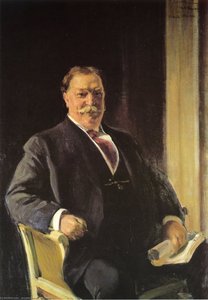
El presidente Taft


 Tümünü Gör
El Yapımı Yağlı Boya Reproduksiyon
Sanatçılarımız tarafından sipariş üzerine hazırlanan; istediğiniz boyut ve çerçevede, tuval üzerine el boyaması yağlı boya. ( Baskı Moduna Geç Dijital Görsele Geç)




P118B $10

P118H $10

P118W $10

P438Z $10

P508JH $12

P508YH $12

P805H $10

P805Z $10

P919BZ $10

P919G $10

P919XJ $10

P959ZH $10

P968JZ $12

W106C $8

W218G $10

W218JH $8

W218Y $10

W307PJ $10

W316G $10

W316PJ $8

W316Y $10

W398PJ $8

W4111J $10

W500HY $15

W500JH $15

W692G $12

W849H $8

W940BG $15

W953PJ $8




Eserin orijinal oranlarıyla uyumlu, önceden belirlenmiş boyutlarımız arasından seçim yapın.

Belirli bir çerçeveye veya alana uyması için kendi boyutlarınızı girebilirsiniz. Seçtiğiniz boyut orijinal görüntünün oranlarıyla eşleşmiyorsa, sanat eserini kırparak veya ek el boyaması öğelerle resmi uzatarak ayarlayacağız. Üretim başlamadan önce onayınız için dijital bir taslak gönderilecektir.
Lütfen ekrandaki önizlemenin gerçek kırpmayı veya uzatmayı yansıtmadığını unutmayın. Nihai kompozisyonu yalnızca hazırlanan taslak doğru şekilde gösterecektir.
Özel boyutlar mevcut olsa da, orijinal oranları korumak adına önceden tanımlanmış listeden bir boyut seçmenizi öneririz.
Siparişten sonra, AllPaintingsStore.com ekibi talimatlar için müşteriye e-posta gönderecek ve bir taslak önizleme sunacaktır
Dünya Çapında Teslimat (); standart 5 hafta yerine 3/4 haftada. (21 Eylül). Kaliteden ödün verilmez.

Dünya Çapında Ücretsiz Ekspres Kargo

Yüksek Kaliteli Keten Tuval

Tam Kapsamlı Nakliye Sigortası

Gümrük Vergisi İade Garantisi

Gerçek Renk Uyumu Garantisi

100 Günlük İade Politikası (Sadece Kusurlu Ürünler İçin)

%100 Para İade Garantisi

Toplu Alım İndirimi
 Cam seçeneği yalnızca 110 cm altındaki boyutlar için mevcuttur.

El presidente Taft
Reproduksiyon Tekniği
Reproduksiyon Boyutu
-


Toplam Tutar
$ 258
Joaquín Sorolla’s Portrait of President Taft: A Study in Mediterranean Light
This captivating portrait, painted in 1909 by the Spanish master Joaquín Sorolla y Bastida, offers a rare glimpse into the formal world of early 20th-century American politics through the lens of a profoundly sensitive artist. The subject, William Howard Taft, sits poised and contemplative within a richly detailed interior, bathed in the signature golden light that defines Sorolla’s oeuvre. More than just a likeness, this painting embodies the artist's deep connection to the Mediterranean – a region he meticulously translated onto canvas through his masterful manipulation of color and texture.
- Subject & Context: The portrait was commissioned during Taft’s presidency, a period marked by significant legal challenges and debates surrounding antitrust legislation. Sorolla, already an established figure in the American art scene thanks to exhibitions at the Metropolitan Museum of Art, captured Taft not as a political titan, but as a man engaged in quiet reflection – a subtle gesture that speaks volumes about the artist’s ability to distill character.
- Sorolla's Technique: Sorolla was renowned for his *alla prima* technique—painting directly onto the canvas without underdrawings. This approach allowed him to capture fleeting moments of light and movement with remarkable immediacy, evident in the shimmering quality of Taft’s suit and the subtle play of shadows across his face. His brushstrokes are loose yet controlled, creating a vibrant sense of depth and atmosphere.
The Language of Light – Sorolla's Signature Style
Sorolla’s artistic identity is inextricably linked to light. He spent much of his career in Valencia, Spain, where the intense Mediterranean sun profoundly influenced his work. This portrait exemplifies this obsession, utilizing a technique known as *luminismo*, which seeks to recreate the effects of natural light with unparalleled realism. The light isn't merely illuminating the subject; it’s actively shaping him, creating an almost ethereal quality that elevates the image beyond a simple representation.
- Color Palette: Sorolla favored warm, earthy tones – ochres, siennas, and yellows – punctuated by vibrant blues and greens. These colors evoke the warmth of the Spanish sun and create a sense of tranquility and optimism.
- Composition: The composition is carefully balanced, with Taft occupying the central space and the background subtly receding to draw the viewer’s eye towards him. The use of atmospheric perspective—the gradual blurring of details in the distance—further enhances the illusion of depth.
Symbolism and Emotional Resonance
Beyond its technical brilliance, the portrait holds a subtle layer of symbolic meaning. Taft's posture – seated with a book – suggests intellectual engagement and thoughtful deliberation. The setting itself, a well-appointed room filled with classical furniture, reinforces his position as a figure of authority and tradition. Sorolla’s ability to imbue this formal scene with warmth and humanity is what truly elevates the work. It's not just a portrait of a president; it’s an exploration of character, intellect, and the enduring power of light.
- Historical Significance: The painting provides valuable insight into the American art world at the turn of the 20th century and Sorolla’s role in introducing Spanish artistic sensibilities to a new audience.
- Emotional Impact: The overall effect is one of quiet dignity and contemplative serenity, inviting the viewer to share in Taft's moment of reflection.
Perfect for Display – A Premium Reproduction
AllPaintingsStore offers meticulously crafted hand-painted reproductions of this iconic Sorolla masterpiece, ensuring that you experience the full beauty and emotional impact of his work. Each reproduction is created by skilled artisans using archival materials, guaranteeing lasting quality and vibrant color fidelity. Whether adorning a grand salon or a smaller study, this portrait will undoubtedly become a focal point of conversation and admiration.
Benzer Eserler



Sanatçı Özgeçmişi
Joaquín Sorolla y Bastida - A Life Bathed in Light
Joaquín Sorolla y Bastida, a name synonymous with the radiant light and vibrant energy of Spain, was more than just a painter; he was a chronicler of his nation’s soul. Born in Valencia in 1863, Sorolla's early life was marked by tragedy. Orphaned at the tender age of two following a cholera epidemic that claimed both parents, young Joaquín and his sister were raised by their maternal aunt and uncle. This early experience with loss perhaps instilled within him a profound appreciation for the fleeting beauty of life – a sentiment that would permeate his art. Though hardship shadowed his beginnings, it did not dim the spark of artistic talent that quickly became apparent. He received initial instruction in Valencia, demonstrating an aptitude that led to studies under established artists like Cayetano Capuz and José Benlliure, eventually culminating in a four-year grant to study in Rome. It was there, amidst the classical grandeur of Italy, that Sorolla began to forge his unique artistic path, absorbing influences while simultaneously developing a style distinctly his own.Early Life and Influences
Joaquín Sorolla’s formative years were shaped by profound loss and circumstance. Born into a modest Valencian family, he endured the devastating impact of cholera when both his parents succumbed to illness at just two years old. His sister survived, but their upbringing was overseen by their maternal aunt and uncle—a poignant reminder of resilience amidst adversity. This early exposure to sorrow undoubtedly fostered within him an unwavering dedication to capturing life’s ephemeral splendor – a preoccupation that would become central to his artistic vision. Recognizing his exceptional talent from a young age, Sorolla pursued formal training diligently, commencing his artistic education at Valencia's School of Artisans and subsequently honing his skills under the tutelage of prominent Valencian painters like Cayetano Capuz and José Benlliure. His ambition extended beyond local instruction; he traveled to Madrid where he immersed himself in the masterpieces housed within the Museo del Prado, absorbing the stylistic innovations of artists such as Francisco Goya and Diego Velázquez—figures whose mastery of light and composition would profoundly influence his own artistic endeavors.Rome and Impressionistic Awakening
A pivotal moment arrived when Sorolla secured a prestigious scholarship to study painting in Rome in 1884. This journey marked not merely an academic pursuit but also a transformative encounter with the burgeoning artistic currents of Europe—particularly Impressionism. Surrounded by fellow artists experimenting with innovative techniques, Sorolla was captivated by exhibitions showcasing Jules Bastien-Lepage and Adolf von Menzel, whose groundbreaking explorations of light and color challenged traditional conventions. He embraced these influences wholeheartedly, abandoning academic realism for a looser, more expressive style characterized by visible brushstrokes—a stylistic decision that would solidify his position as one of Spain’s foremost Impressionists. The Roman landscape itself served as an inspiration, prompting Sorolla to depict the sun-drenched vistas of Lazio with breathtaking vibrancy and immediacy.The Valencian Coast: A Painter's Obsession
Sorolla’s artistic focus soon centered on the Valencian coast—a region he regarded as a crucible of beauty and vitality. Driven by an irresistible impulse to capture the essence of Mediterranean life, he embarked upon countless expeditions to paint *en plein air*, immersing himself in the intense sunlight and captivating atmosphere of his homeland. This dedication to outdoor painting resulted in a prolific output of canvases depicting beaches, fishermen’s villages, and portraits of local residents—works imbued with an unparalleled sense of spontaneity and emotional depth. Sorolla's technique became instantly recognizable – a bravura display of brushwork, characterized by loose, energetic strokes that conveyed movement and atmosphere. He wasn’t merely *depicting* light; he was attempting to *capture* its very essence, the way it danced on water, illuminated skin, and transformed ordinary moments into scenes of extraordinary beauty. His canvases shimmer with color—a testament to his masterful manipulation of pigments and his unwavering commitment to conveying the immediacy of perception.Major Achievements and Legacy
Sorolla’s artistic career spanned decades and encompassed numerous accolades and commissions. He achieved considerable renown during his lifetime, securing prestigious awards at exhibitions across Europe and establishing himself as a celebrated figure in the international art world. His monumental murals commissioned by the Hispanic Society of America—known collectively as *Vision of Spain*—remain an enduring symbol of his artistic ambition and technical prowess. Completed posthumously, these canvases represent Sorolla’s magnum opus—a breathtaking panorama of Spanish landscapes and cultural traditions rendered with unparalleled luminosity and detail. Today, Sorolla's paintings are housed in prominent museums worldwide—including the Museo Sorolla in Madrid—where they continue to inspire admiration for his artistic vision and unwavering devotion to capturing the sublime beauty of the natural world. He stands as a beacon of Luminism—a painter whose legacy transcends time, reminding us that art possesses the power to illuminate our understanding of both humanity and the environment.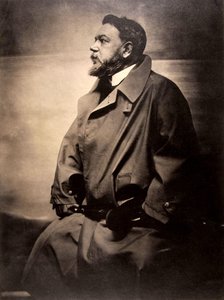
Joaquín Sorolla
1863 - 1923 , İspanya
Kısa Bilgiler
- Artistic Movement Or Style: Luminizm ve Empresyonizm
- Artists Who Influenced This Artist:
- Francisco Pradilla
- Jules Bastien-Lepage
- Adolph von Menzel
- Date Of Birth: 27 Şubat 1863
- Date Of Death: 10 Ağustos 1923
- Full Name: Joaquín Sorolla y Bastida
- Nationality: İspanyol
- Notable Artworks:
- İtalyan Kızı Çiçeklerle
- Denizcilik Zamanı
- Mutlu Miras
- Place Of Birth: Valencia, İspanya
İlgili Makaleler

AllPaintingsStore.com F.A.Q.: Elevate Your Decor with Premium Textured Giclée Prints
Discover the distinction of AllPaintingsStore.com premium textured Giclée prints. Expertly crafted with archival 12-color pigments and museum-grade substrates, our prints offer unparalleled vividness for the discerning collector seeking luxury, durability, and timeless elegance.


