


 Önizle
 Gönder
 Paylaş
 Detaylar
 Rehber

 Dosyayı İndir
 Benzerleri
 X-Işını
 Slayt Gösterisi
 Q&A
Q&A İstatistikler
Study for the Last Supper

- 266.0 x 214.0 cm


 Devamını Oku
Giclée / Sanat Baskısı
Hızlı üretim ve esnek bitiş seçenekleriyle müze kalitesinde giclée veya kanvas baskı. ( El Yapımı Tablo Satın Al Dijital Görsel Satışına Geç)




P118B ₺10

P118H ₺10

P118W ₺10

P438Z ₺10

P508JH ₺12

P508YH ₺12

P805H ₺10

P805Z ₺10

P919BZ ₺10

P919G ₺10

P919XJ ₺10

P959ZH ₺10

P968JZ ₺12

W106C ₺8

W218G ₺10

W218JH ₺8

W218Y ₺10

W307PJ ₺10

W316G ₺10

W316PJ ₺8

W316Y ₺10

W398PJ ₺8

W4111J ₺10

W500HY ₺15

W500JH ₺15

W692G ₺12

W849H ₺8

W940BG ₺15

W953PJ ₺8




Eserin orijinal oranlarıyla uyumlu, önceden belirlenmiş boyutlarımız arasından seçim yapın.

Çerçevenize veya duvarınıza uygun olması için ihtiyacınız olan genişlik ve yüksekliği yazın. Bir baskı yalnızca kesilebilir, görselden daha büyük hale getirilemez; bu nedenle farklı bir formdaki boyut seçimi, görselin bir kısmının kaybına neden olur. Herhangi bir baskı yapmadan önce onaylamanız için size bir dijital taslak gönderiyoruz. Bu sayfada gösterilen resim gerçek kesimi göstermez — bunu yalnızca taslak gösterir.
Dünya Çapında Teslimat (); standart 4/5 hafta yerine 2 haftada. (31 Ekim)

Dünya Çapında Ücretsiz Ekspres Kargo

Yüksek Kaliteli Keten Tuval

Tam Nakliye Sigortası

Gümrük Vergisi İadesi Garantisi

Gerçek Renk Uyumu Garantisi

100 Günlük İade Koşulları (Sadece Üretim Hatalı Ürünler İçin)

%100 Para İade Garantisi

Toplu Alım Avantajı
 Cam seçeneği yalnızca 110 cm altındaki boyutlar için mevcuttur.

Study for the Last Supper
Giclée / Sanat Baskısı
Baskı Boyutu
-


Toplam Fiyat
₺ 3145
A Glimpse into the Divine Mind
To encounter Leonardo da Vinci's Study for the Last Supper is to step directly into the workshop of a genius, witnessing the raw, electric moment before a masterpiece was solidified. Created around 1494, this profound preparatory work serves as much more than a mere sketch; it is a window into the psychological architecture of the High Renaissance. While the final mural in Milan captures the monumental scale of the event, this study offers an intimate, almost whispered meditation on faith and human frailty. It captures the precise instant where the divine intersects with the mortal, as Leonardo meticulously maps out the complex web of emotions that would soon define one of history's most iconic compositions.
The subject matter is deeply rooted in the Christian tradition, depicting the pivotal moment of the Passover meal where Jesus Christ reveals his impending betrayal. However, through Leonardo’s eyes, the scene transcends simple religious iconography. He focuses intensely on the humanity of the apostles—their startled gestures, their furrowed brows, and the palpable tension that ripples through the group. It is a study of motion and reaction, an attempt to freeze the very essence of shock and devotion within a single, unified frame.
The Mastery of Light and Shadow
Technically, this work showcases Leonardo’s unparalleled command over sfumato, his signature technique of soft, smoky transitions. Rather than relying on harsh, definitive outlines, the artist employs subtle gradations of tone to blur the boundaries between figures and their environment. This creates an ethereal, dreamlike atmosphere where light seems to emerge from within the subjects themselves. The delicate application of medium—often involving pen, ink, and subtle washes—allows for a depth of shadow that gives the composition a sculptural, three-dimensional quality.
For the discerning collector or interior designer, the aesthetic value of this study lies in its sophisticated use of chiaroscuro. The interplay between light and dark does not merely provide structure; it directs the viewer's eye through the narrative, pulling attention to the central figure of Christ while allowing the peripheral apostles to recede into a mysterious, atmospheric gloom. This technique lends the piece an enduring elegance that complements both classical and contemporary spaces, offering a sense of profound intellectual depth.
A Legacy of Universal Genius
The historical context of this study is inseparable from the spirit of the uomo universale—the universal man. Working under the patronage of Ludovico Sforza in Milan, Leonardo was simultaneously a scientist, an engineer, and an artist. This duality is evident in the meticulous attention to anatomical accuracy and spatial perspective found within the sketch. Every hand gesture and facial expression is calculated with scientific precision to evoke a specific emotional response, making the work a triumph of both observation and imagination.
Owning a high-quality reproduction of this study allows one to bring a piece of the Renaissance soul into a modern setting. It is an invitation to contemplate the complexities of human interaction and the eternal search for meaning. Whether placed in a quiet study, a grand gallery, or a curated living space, this artwork serves as a powerful focal point, inspiring awe through its historical weight and captivating all who linger before its enigmatic, shadowed beauty.
Soru ve Cevaplar
Leonardo Da Vinci imzalı "Study for the Last Supper" açık tonlu bir sanat eseri mi yoksa koyu tonlu mu?
"Study for the Last Supper" genel olarak brilliant düzeyindedir ve parlaklığı Luminous'dir.
"Study for the Last Supper" adlı eser hangi sanatçıya atfediliyor?
"Study for the Last Supper" eserinin arkasındaki sanatçı Leonardo Da Vinci'tir. Eser, Leonardo Da Vinci adına kataloglanmıştır.
"Study for the Last Supper" eseri yaratıldığında Leonardo Da Vinci kaç yaşındaydı?
Leonardo Da Vinci, 1494 yılında "Study for the Last Supper" eserini oluşturduğunda 42 yaşındaydı. Bu yaş, sanatçının 1452 olan doğum yılından hesaplanmıştır.
Sanatçı Biyografisi
Leonardo da Vinci’ın Yaşamı ve Mirası
1452 yılında Toskana'nın Vinci köyü yakınlarında dünyaya gelen Leonardo di ser Piero da Vinci, Rönesans'ın kuşkusuz en evrensel olarak tanınan figürü olmaya devam ediyor. Bitmek bilmeyen merakı onu farklı disiplinler arasında sürükleyen, sanat, bilim ve mühendislik üzerinde silinmez izler bırakan gerçek bir polimatdır. İsmi, olağanüstü yetenek yelpazesinin ve vizyoner düşüncesinin bir kanıtı olarak deha ile eş anlamlı hale gelmiştir. Bir noter olan Piero da Vinci ile bir köylü kadın olan Caterina'nın evlilik dışı çocuğu olarak dünyaya gelmesi, Leonardo'nun erken yaşamını alışılmadık kılmış olsa da; bu durum ona hem pratik dünyaya erişim sağlamış hem de sanatsal vizyonunu derinden şekillendirecek olan doğa sevgisini kazandırmıştır. Okuma, yazma ve aritmetik üzerine temel bir eğitim almış olsa da, yaratıcı kıvılcımını asıl ateşleyen Floransa'da Andrea del Verrocchio'nun yanında aldığı çıraklık eğitimidir. Verrocchio'nun atölyesinde Leonardo sadece resim veya heykel yapmayı öğrenmiyor; metal işçiliği, marangozluk, çizim ve sanatsal yaratımın inceliklerine hakim olduğu teknik bir beceri dünyasına dalıyordu. Bu çok yönlü dehasının temelleri burada atıldı. Henüz bu biçimlendirici dönemdeyken, onun olağanüstü yeteneği hakkında fısıltılar dolaşıyor, hatta anlatılara göre Verrocchio'nun Leonardo'nun üstün kabiliyetine tanık olduktan sonra resim yapmayı bıraktığı söyleniyordu.
Milano Dönemi: Yenilikler ve Sanatsal Çiçeklenme
1482 yılında Leonardo, yeni bir döneme adım atarak Milano Dükü Ludovico Sforza'nın hizmetine girdi. Bu sadece sanatsal bir görev değil; Leonardo saray için askeri mühendis, mimar, heykeltırak ve tasarımcı olarak görev yapıyordu ki bu da onun çeşitli yeteneklerinin bir kanıtıdır. Yenilikçi tahkimatlar tasarladı, görkemli sahne dekorları kurguladı ve hatta hayali makineler için planlar çizdi. Ancak en ikonik şaheserlerinden biri olan Son Akşam Yemeği üzerine çalışmaya bu dönemde başladı. Santa Maria delle Grazie manastırının yemekhanesinde bir fresk olarak boyanan bu eser, basit bir tasvirin ötesine geçer; İsa'nın ihaneti duyurduğu o kesin anı yakalayarak insan duygularının ve psikolojik dramın derin bir keşfine dönüşür. Dönemi için devrim niteliğindeki kompozisyonu ve perspektifin ustaca kullanımı, Batı sanatını yüzyıllar boyunca derinden etkileyecektir. Milano döneminde birçok heykel projesi tamamlanmadan kalsa da, Leonardo'nun icatçı ruhu gelişmeye devam ederek gelecekteki bilimsel keşiflerin temelini atmıştır.
Floransa'ya Dönüş ve Mükemmellik Arayışı
1499 yılında Fransızların Milano'yu işgal etmesinin ardından Leonardo, sanatsal gelişimin zirvesinde olan Floransa'ya geri döndü. Bu dönemde tamamlanmış eser sayısı az olsa da, bunların etkisi muazzamdı. Dünyanın belki de en ünlü tablosu haline gelecek olan Mona Lisa (La Gioconda) üzerine çalışmaya burada başladı. Konunun gizemli gülümsemesi ve büyüleyici bakışları nesiller boyu izleyicileri büyülemiş; Leonardo'nun devrim niteliğindeki sfumato tekniği —ışık ve gölgenin puslu hatlar ve atmosferik perspektif yaratmak için ince bir şekilde harmanlanması— tablonun ruhani kalitesine önemli ölçüde katkıda bulunmuştur. Bu dönem aynı zamanda, insan formunu bilimsel bir hassasiyetle anlama konusundaki sarsılmaz arzusuyla beslenen anatomik çalışmalarının da derinleştiği bir dönem olmuştur. Kadavraları inceleyerek kasları, kemikleri ve organları, zamanının yüzyıllar ilerisinde olan inanılmaz derecede ayrıntılı çizimlerle titizlikle belgeledi.
çSanatın Ötesinde Bir Miras: Bilim, İcat ve Kalıcı Etki
Leonardo'nun geç yılları Floransa, Milano ve Roma arasındaki yolculuklarla geçti; uzmanlığı için her zaman talep görüyordu ancak projeleri genellikle yarım kalıyordu; bu durum belki de onun huzursuz zekasının ve ilgi alanlarının uçsuz bucaksızlığının bir yansımasıydı. 1516 yılında, Fransa'da Amboise yakınlarındaki Château du Clos Lucé'de yaşayıp çalışmak üzere Kral I. Francis'in davetini kabul etti ve son yıllarını burada geçirdi. 1519 yılında orada hayata gözlerini yumduğunda, sanat dünyasının çok ötesine uzanan devasa bir miras bıraktı. Not defterleri; anatomi, optik, hidrolik, jeoloji ve kartografya alanlarındaki öncü çalışmalarını ortaya koyarken; uçan makineler, tanklar ve gelişmiş silahlar gibi zamanının yüzyıllar ilerisindeki icatları hayal ettiğini gösteriyor. Leonardo da Vinci'nin sanat tarihine etkisi ölçülemez boyuttadır. Sanatçıların statüsünü yetenekli zanaatkârlardan entelektüel figürlere yükselterek, sanatsal yaratımın bilimsel sorgulama ve doğal dünyanın derin bir anlayışıyla beslenebileceğini kanıtladı. Resimleri realizmi, psikolojik derinliği ve yenilikçi teknikleri nedeniyle yüceltilir. O, insan merakının, yaratıcılığının ve bitmek bilmeyen bilgi arayışının bir sembolü olarak kalmaya devam ediyor; ölümü üzerinden yüzyıllar geçmesine rağmen mirası hayranlık ve büyülenme uyandırmaya devam eden Rönesans ruhunun gerçek bir somutlaşmış halidir.
Temel Başarılar ve Kalıcı Etki
- Resim: Mona Lisa, Son Akşam Yemeği, Kayalıklarındaki Meryem, Müjde
- Çizim ve Eskiz: Kapsamlı anatomik çalışmalar, Mühendislik tasarımları (uçan makineler, silahlar), Botanik illüstrasyonlar
- Bilim ve Mühendislik: Anatomi, optik, hidrolik, jeoloji ve kartografya alanlarında öncü çalışmalar. Zamanının yüzyıllar ilerisindeki icatların tasarlanması.
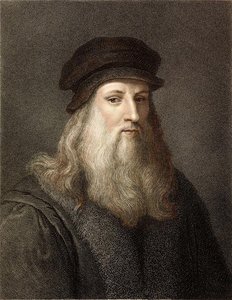
Leonardo Da Vinci
1452 - 1519 , İtalya
Kısa Bilgiler
- Artistic Movement Or Style: Yüksek Rönesans
- Artists Or Movements Influenced By This Artist: ['Rönesans sanatı']
- Artists Who Influenced This Artist: ['Andrea del Verrocchio']
- Date Of Birth: 15 Nisan 1452
- Date Of Death: 2 Mayıs 1519
- Full Name: Leonardo da Vinci
- Nationality: İtalyan
- Notable Artworks:
- Mona Lisa
- Son Akşam Yemeği
- Vitruvius Adamı
- Place Of Birth: Vinci, İtalya
İlgili Yazılar

The Renaissance Masters: A Comparative Study of Leonardo, Michelangelo, and Raphael
Explore the profound technical and philosophical differences between Leonardo, Michelangelo, and Raphael. A deep dive into High Renaissance mastery, from sfumato to anatomical precision, designed for art students and scholars seeking academic depth.


