

1968. Acrylic On Canvas, 50.0 x 65.0 cm.

§ 1Katalog verileri

- 50.0 x 65.0 cm


Bu Eser Telif Hakkı Koruması Altındadır
Bu sayfada sergilenen eser telif hakkı yasasıyla korunmaktadır; bu da yasal olarak eserin birebir kopyasını oluşturamayacağımız veya satamayacağımız anlamına gelir. Bu koruma, aşağıdakiler gibi uluslararası anlaşmalar kapsamında uygulanmaktadır: Bern Sözleşmesi ve aşağıdakiler de dahil olmak üzere ulusal yasalarca belirlenen ABD Telif Hakkı Kanunu - 17. Başlık.
Saygılı ve yasal bir alternatif olarak, orijinalinden ilham alan, kişiye özel, el boyaması sanat eserleri sunuyoruz. Deneyimli ve profesyonel sanatçılarımız, aynı duyguyu uyandıran yeni ve benzersiz bir eser yaratmak için orijinalin stilini, ruhunu ve sanatsal özünü titizlikle inceler; üstelik bu eser, kendi başına özgün bir üretim olarak kalır.
Bu yöntem, koruma altındaki sanat eserinin kopyalanmasını veya çoğaltılmasını içermediği için telif hakkı düzenlemelerine tam uyum sağlar. Bunun yerine, yaratıcı bir yeniden yorumlamadır; orijinalinden etkilenen ancak onunla aynı olmayan yeni bir tablodur.
 Daha fazla bilgi edinin
§ 2Soyut
Eser Açıklaması
Sanatçı Biyografisi
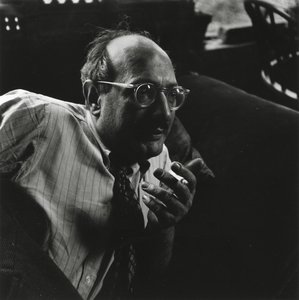
Mark Rothko (1903-1970), Soyut İfadeciliğin öncülerinden! Renk alanı resimleriyle derin duyguları ifade eden Rothko'nun ikonik eserleri ve Houston'daki Rothko Şapeli'ni keşfedin. Modern sanatın önemli figürlerinden.
§ 3Yorumlar
A Symphony of Color: Examining Mark Rothko’s Untitled (Gray, Gray on Red)
Mark Rothko's "Untitled (Gray, Gray on Red)" stands as a cornerstone of Abstract Expressionism, embodying the movement’s core tenets—emotional intensity and nonrepresentational form—while simultaneously grappling with profound existential questions. Painted in 1968 during his prolific period, this monumental canvas transcends mere visual aesthetics; it invites contemplation about color, perception, and the human condition. The artwork's simplicity is deceptive – its two rectangular blocks of crimson and muted gray are meticulously crafted to elicit a visceral response from the viewer.The Essence of Color Field Painting
Rothko’s approach distinguishes him from earlier Surrealist or Cubist explorations. He eschewed illusionistic representation, opting instead for “color fields,” large areas of pigment designed to saturate the senses and bypass rational thought. This technique—characterized by thick impasto brushstrokes that build up layers of paint—creates a tactile experience alongside visual impact. The subtle variations in tone within each rectangle contribute to an unsettling dynamism, hinting at hidden depths beneath the surface calmness. As Rothko himself famously stated, “I want people to feel.” And this painting undeniably achieves that goal.Historical Context and Artistic Influences
The late 1960s were a turbulent time globally, marked by civil rights movements, antiwar protests, and escalating anxieties about nuclear annihilation. Rothko’s work emerged from this milieu, reflecting the pervasive sense of unease and searching for solace in abstract forms. While influenced by Piet Mondrian's geometric abstraction—particularly his exploration of orthogonal lines—Rothko deliberately rejected Mondrian’s intellectual rigor, prioritizing intuition and emotional expression. He drew inspiration from Eastern Orthodox iconography, seeking to convey spiritual transcendence through color and form. The deliberate reduction of visual information aligns with a broader philosophical preoccupation with confronting the void – an idea explored extensively by existentialist thinkers like Sartre and Camus.Symbolism Beyond Representation
“Untitled (Gray, Gray on Red)” resists easy interpretation, deliberately avoiding symbolic narratives or recognizable imagery. However, scholars have argued that the colors themselves carry significant weight. Crimson represents passion, vitality, and perhaps even primal instinct—a forceful assertion of presence against the encroaching darkness. Conversely, gray embodies ambiguity, contemplation, and the acceptance of mortality. The juxtaposition of these hues creates a tension that mirrors the complexities of human experience. Rothko’s intention wasn't to depict something specific but rather to evoke an emotional state – one of profound stillness punctuated by flashes of intense feeling.A Legacy of Emotional Resonance
Today, reproductions of “Untitled (Gray, Gray on Red)” grace galleries and private collections worldwide. Its enduring appeal lies in its ability to bypass intellectual analysis and speak directly to the viewer’s subconscious. The painting's monumental scale commands attention, inviting prolonged observation and fostering a meditative state. It serves as a powerful reminder that art can transcend language and communicate feelings of vulnerability, beauty, and spiritual yearning—qualities that continue to resonate deeply with audiences across generations.Soru ve Cevaplar
Mark Rotko imzalı "Untitled (Gray, Gray on Red)" hangi duyguyu hissettiriyor?
Mark Rotko imzalı "Untitled (Gray, Gray on Red)" eserinin yansıttığı ruh hali Calm, duygusal tonu ise Reflective'dur.
"Untitled (Gray, Gray on Red)" eserinin arkasındaki sanatçı ve tarz hangisidir?
"Untitled (Gray, Gray on Red)" eserinin arkasında Mark Rotko ve Color Field Expressionism akımı yer almaktadır.
Mark Rotko imzalı "Untitled (Gray, Gray on Red)" eserinin telif hakkı durumunu ne açıklamaktadır?
Mark Rotko imzalı "Untitled (Gray, Gray on Red)" adlı eser telif hakları ile korunmaya devam etmektedir statüsündedir. Telif hakları süresi sanatçının ölüm tarihinden itibaren hesaplanmaktadır ve Mark Rotko, 1970 yılında vefat etmiştir.


 Baskı Satışına Geç


 Herhangi bir kenarı 105 cm'den (yaklaşık 41 inç) büyük olan sanat eserleri veya reprodüksiyonlar için çerçeve, demonte edilmiş bir kit halinde gönderilecektir. Bu yöntem, güvenli teslimat sağlar ve taşıma sırasında oluşabilecek hasarları önler.


