

Acrylic On Canvas.

§ 1Catalogue data


Bu Eser Telif Hakkı Koruması Altındadır
Bu sayfada sergilenen eser telif hakkı yasasıyla korunmaktadır; bu da yasal olarak eserin birebir kopyasını oluşturamayacağımız veya satamayacağımız anlamına gelir. Bu koruma, aşağıdakiler gibi uluslararası anlaşmalar kapsamında uygulanmaktadır: Bern Sözleşmesi ve aşağıdakiler de dahil olmak üzere ulusal yasalarca belirlenen ABD Telif Hakkı Kanunu - 17. Başlık.
Saygılı ve yasal bir alternatif olarak, orijinalinden ilham alan, kişiye özel, el boyaması sanat eserleri sunuyoruz. Deneyimli ve profesyonel sanatçılarımız, aynı duyguyu uyandıran yeni ve benzersiz bir eser yaratmak için orijinalin stilini, ruhunu ve sanatsal özünü titizlikle inceler; üstelik bu eser, kendi başına özgün bir üretim olarak kalır.
Bu yöntem, koruma altındaki sanat eserinin kopyalanmasını veya çoğaltılmasını içermediği için telif hakkı düzenlemelerine tam uyum sağlar. Bunun yerine, yaratıcı bir yeniden yorumlamadır; orijinalinden etkilenen ancak onunla aynı olmayan yeni bir tablodur.
 Devamını oku
§ 2Abstract
Koleksiyon Açıklaması
Sanatçı Özgeçmişi
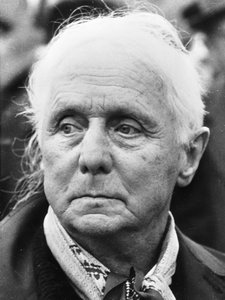
Max Ernst (1891-1976), Dada ve Gerçeküstücülüğün öncüsü! Yenilikçi frottage, kolajları ve kuşlar, manzaralar ve psikolojik temaları içeren rüya gibi resimlerini keşfedin. 20. yüzyıl sanatının sınırlarını zorlayan bir deha!
§ 3Commentary
El Beso: A Surrealist Embrace of Chance
Max Ernst’s “El Beso,” or “The Kiss,” stands as a cornerstone of Dadaism and Surrealism, embodying the movement's rebellious spirit against rational thought and embracing the subconscious realm. Created in 1927 during Ernst’s passionate relationship with Marie-Berthe Aurenche, this oil on canvas masterpiece transcends mere depiction; it’s an exploration of desire, connection, and the transformative power of accidental beauty.
- Composition & Style: The painting's stark simplicity is deceptive. Against a muted blue backdrop, Ernst presents two figures intertwined—a man and a woman—whose forms are deliberately distorted, prioritizing expressive gesture over anatomical accuracy. This stylistic choice aligns perfectly with Dada’s rejection of traditional artistic conventions.
- Technique: Ernst pioneered innovative techniques like frottage (rubbing textured surfaces onto canvas) and graftage (layering materials to create complex textures), which he meticulously applied to achieve a palpable sense of materiality. The use of a coordinate grid system—a deliberate intervention against chance—highlights the artist’s conscious control over seemingly random elements.
- Historical Context: Dada emerged in Zurich during World War I as a reaction to the horrors of conflict and the perceived moral bankruptcy of bourgeois society. Artists like Ernst sought to dismantle established artistic hierarchies and challenge viewers' perceptions of reality, prioritizing emotion and intuition over logic.
Symbolism permeates “El Beso.” The figures’ ambiguous facial expressions convey a profound disconnection—a mirroring of the anxieties surrounding intimacy during this turbulent period. Yet, their embrace embodies an irresistible yearning for connection, reflecting Ernst's own fascination with psychoanalysis and his belief in the subconscious as a source of artistic inspiration. The bird motif—present in other Ernst paintings—represents freedom and aspiration, subtly reinforcing the painting’s overarching theme.
Beyond its formal innovations, “El Beso” resonates deeply with viewers due to its exploration of fundamental human emotions. It captures the vulnerability inherent in romantic relationships and celebrates the beauty found within unexpected juxtapositions. Ernst's masterful manipulation of texture and color contributes to an atmosphere of tension and uncertainty—a hallmark of Surrealist art that continues to captivate audiences today.
- Further Exploration: Interested in delving deeper into Ernst’s artistic vision? Explore his other celebrated works, including “The Garden of France” and “Approaching Puberty or The Pleiads,” which showcase similar stylistic approaches and thematic concerns. Discover more about Ernst's life and influence on the Surrealist movement at AllPaintingsStore.com for a high-quality reproduction of this iconic artwork.
Soru ve Cevaplar
"El beso" eserindeki renkler birbiriyle nasıl bir uyum içinde?
"El beso" eserinin renk uyumu Discordant Palette olarak kaydedilmiştir.
Max Ernst imzalı "El beso" hangi teknikle icra edilmiştir?
Max Ernst, "El beso" adlı eseri için Acrylic On Canvas tekniğini kullanmıştır. Bu teknik, orijinal eserin maddi doğasını tanımlar.
Max Ernst imzalı "El beso" eserinde akım ve dönem nasıl buluşuyor?
Max Ernst imzalı "El beso", yaratıcısının Modern Dönem döneminde, Surrealist Art akımı içerisinde yer almaktadır.


 Baskı Satışına Geç


 Herhangi bir kenarı 105 cm'den (yaklaşık 41 inç) büyük olan sanat eserleri veya reprodüksiyonlar için çerçeve, demonte edilmiş bir kit halinde gönderilecektir. Bu yöntem, güvenli teslimat sağlar ve taşıma sırasında oluşabilecek hasarları önler.


