


 Önizle
 Gönder
 Paylaş
 Detaylar
 Rehber

 Dosyayı İndir
 Benzerleri
 X-Işını
 Slayt Gösterisi
 İstatistikler
Ohne Titel

 Devamını Oku
Bu sayfada sergilenen eser telif hakkı yasasıyla korunmaktadır; bu da yasal olarak eserin birebir kopyasını oluşturamayacağımız veya satamayacağımız anlamına gelir. Bu koruma, aşağıdakiler gibi uluslararası anlaşmalar kapsamında uygulanmaktadır: Bern Sözleşmesi ve aşağıdakiler de dahil olmak üzere ulusal yasalarca belirlenen ABD Telif Hakkı Kanunu - 17. Başlık.
Bu yöntem, koruma altındaki sanat eserinin kopyalanmasını veya çoğaltılmasını içermediği için telif hakkı düzenlemelerine tam uyum sağlar. Bunun yerine, yaratıcı bir yeniden yorumlamadır; orijinalinden etkilenen ancak onunla aynı olmayan yeni bir tablodur.
Giclée / Sanat Baskısı
Hızlı üretim ve esnek bitiş seçenekleriyle müze kalitesinde giclée veya kanvas baskı. ( El Yapımı Tablo Satın Al Dijital Görsel Satışına Geç)




P118B ₺10

P118H ₺10

P118W ₺10

P438Z ₺10

P508JH ₺12

P508YH ₺12

P805H ₺10

P805Z ₺10

P919BZ ₺10

P919G ₺10

P919XJ ₺10

P959ZH ₺10

P968JZ ₺12

W106C ₺8

W218G ₺10

W218JH ₺8

W218Y ₺10

W307PJ ₺10

W316G ₺10

W316PJ ₺8

W316Y ₺10

W398PJ ₺8

W4111J ₺10

W500HY ₺15

W500JH ₺15

W692G ₺12

W849H ₺8

W940BG ₺15

W953PJ ₺8




Eserin orijinal oranlarıyla uyumlu, önceden belirlenmiş boyutlarımız arasından seçim yapın.

Çerçevenize veya duvarınıza uygun olması için ihtiyacınız olan genişlik ve yüksekliği yazın. Bir baskı yalnızca kesilebilir, görselden daha büyük hale getirilemez; bu nedenle farklı bir formdaki boyut seçimi, görselin bir kısmının kaybına neden olur. Herhangi bir baskı yapmadan önce onaylamanız için size bir dijital taslak gönderiyoruz. Bu sayfada gösterilen resim gerçek kesimi göstermez — bunu yalnızca taslak gösterir.
Dünya Çapında Teslimat (); standart 4/5 hafta yerine 2 haftada. (23 Ekim)

Dünya Çapında Ücretsiz Ekspres Kargo

Yüksek Kaliteli Keten Tuval

Tam Nakliye Sigortası

Gümrük Vergisi İadesi Garantisi

Gerçek Renk Uyumu Garantisi

100 Günlük İade Koşulları (Sadece Üretim Hatalı Ürünler İçin)

%100 Para İade Garantisi

Toplu Alım Avantajı
 Cam seçeneği yalnızca 110 cm altındaki boyutlar için mevcuttur.

Ohne Titel
Giclée / Sanat Baskısı
Baskı Boyutu
-


Toplam Fiyat
₺ 3129
A Surrealist Echo: Unpacking Max Ernst’s “Ohne Titel”
Max Ernst's "Ohne Titel" – often referred to as "Personnages or Le Chapeau Rouge" – isn’t merely a painting; it’s an invitation into the labyrinthine depths of the subconscious. Created in 1949, this remarkable etching and aquatint, rendered in vibrant color on Japanese paper, embodies the core tenets of Surrealism while simultaneously hinting at the artist's lifelong fascination with chance, memory, and the evocative power of imagery. It’s a piece that rewards repeated viewing, revealing new layers of meaning with each encounter. Ernst, born in Brühl, Germany, in 1891, was a restless spirit who rejected conventional artistic paths, forging his own unique trajectory through experimentation and intellectual exploration – a path deeply intertwined with the burgeoning Surrealist movement. His early years were marked by a rejection of academic art, leading him to embrace Dadaism before ultimately finding resonance within the more psychologically-oriented Surrealism championed by André Breton.The Alchemy of Chance: Technique and Process
At first glance, “Ohne Titel” appears chaotic – a swirling vortex of greens, reds, yellows, and blacks colliding across the page. However, this apparent disorder is meticulously orchestrated. Ernst employed a technique he termed "collage," layering aquatint and etching plates to create a complex matrix of tonal variations. The process involved applying ink to the plate, then covering it with wax before exposing it to light through a photographic negative. This created areas of varying density, which would subsequently be etched – resulting in the final image. Crucially, Ernst embraced chance within this controlled system. He often left portions of the plate unworked, allowing the etching process itself to introduce unexpected textures and patterns. The result is a mesmerizing interplay between deliberate design and serendipitous discovery—a testament to Ernst’s belief that true creativity arises from the collision of intention and accident. The use of Japanese paper adds an element of subtle elegance and texture, further enhancing the artwork's visual richness.Symbolic Landscapes: Unveiling Hidden Meanings
While devoid of recognizable figures or objects, “Ohne Titel” is profoundly symbolic. The dominant greens evoke a sense of primal nature, hinting at both fertility and decay – a recurring motif in Ernst’s work. The vibrant reds and yellows suggest energy, passion, and perhaps even danger. The fragmented forms, resembling distorted human shapes or abstract landscapes, are deliberately ambiguous, inviting the viewer to project their own experiences and emotions onto the scene. Some art historians interpret these figures as echoes of childhood memories, while others see them as representations of the anxieties and uncertainties of a rapidly changing world. The title itself – “Ohne Titel” – underscores the artwork’s inherent openness, suggesting that its meaning is not fixed but rather emerges from the interaction between the viewer and the image. The inclusion of "Personnages or Le Chapeau Rouge" hints at both human figures and a flamboyant hat, adding another layer of visual intrigue.A Window into the Unconscious: Context and Legacy
“Ohne Titel” was created during a period of intense artistic experimentation and intellectual ferment – the aftermath of World War II and the rise of Cold War anxieties. Surrealism, with its emphasis on dreams, irrationality, and the exploration of the unconscious mind, provided a powerful framework for grappling with these turbulent times. Ernst’s work reflects this broader cultural context, offering a glimpse into the psychological landscape of a generation struggling to make sense of a world shattered by violence and uncertainty. His innovative techniques – including frottage (rubbing textures onto paper) and decalcomania (transferring ink from one surface to another) – became hallmarks of Surrealist art, influencing countless artists who followed in his footsteps. “Ohne Titel” stands as a prime example of Ernst’s enduring legacy—a testament to the power of imagination and the transformative potential of artistic experimentation.A Timeless Resonance: Emotional Impact and Aesthetic Appeal
Ultimately, "Ohne Titel" transcends its technical complexities to offer a deeply resonant emotional experience. The swirling colors, fragmented forms, and ambiguous imagery create a sense of unease, mystery, and profound beauty. It’s a piece that lingers in the mind long after it has been viewed, prompting reflection on themes of memory, identity, and the nature of reality. Its vibrant palette and intricate textures make it equally captivating as a standalone artwork or as part of a carefully curated interior design scheme. The work's inherent ambiguity ensures its continued relevance, inviting viewers to engage with it on a personal level and discover their own unique interpretations. It’s a powerful reminder that art can be both intellectually stimulating and emotionally evocative—a true testament to the genius of Max Ernst.Soru ve Cevaplar
Max Ernst imzalı "Ohne Titel" reprodüksiyonunu nasıl önizleyebilirim?
Max Ernst imzalı "Ohne Titel" eserinin bir reprodüksiyonunu önizlemek için eserin Önizleme sayfasını açın.
Max Ernst imzalı "Ohne Titel", Surrealism akımı içerisinde nasıl bir duygu ifade ediyor?
"Ohne Titel", Surrealism akımı içerisinde Mysterious bir duygusal ton taşımaktadır.
Max Ernst imzalı "Ohne Titel" eserindeki kontrast ne kadar güçlü?
"Ohne Titel" eserinin açık-koyu kontrastı Serene olarak kaydedilmiştir. Kontrast, açık ve koyu alanların birbirinden ne kadar güçlü bir şekilde ayrıldığını tanımlar.
İlgili Eserler


Sanatçı Biyografisi
Max Ernst: Rüya ve Yaratıcılığın Sınırlarını Aşmak
Max Ernst, 1 Nisan 1891’de Brühl, Almanya'da doğan Maximilian Maria Ernst, 20. yüzyıl sanatının en etkileyici figürlerinden biri olmaya yazgılıydı. Sanat yolculuğu, geleneksel bir eğitimden ziyade, felsefi sorgulamalarla, psikolojik merakla ve toplumsal normlara karşı derin bir hoşnutsuzlukla beslenen kendi kendine yönlendirilen bir keşif olarak başladı. Babasının, duyma engelli insanlara ders veren ve amatör bir ressam olan babası, hem dünyaya karşı hassasiyetini hem de yerleşik otoriteye karşı isyankar ruhunu aşıladı. Bu erken dönemdeki ikilik, sanat vizyonunun tanımlayıcı bir özelliği haline gelecekti.
Ernst’ın Bonn Üniversitesi'ndeki akademik çalışmaları – felsefe, sanat tarihi, edebiyat, psikoloji ve psikiyatriyi kapsayan – sadece boş zaman aktiviteleri değil, daha sonraki çalışmalarını derinden etkileyen temel unsurlardı. Sadece resim yapmayı öğrenmekle kalmayıp, nedenini sorguluyordu. Bu entelektüel merak, onu 1912 yılında Köln’deki Sonderbund sergisinde Picasso, Van Gogh ve Gauguin'in çığır açan eserleriyle tanışmaya götürdü; bu an, sanatının gidişatını geri dönüşü olmayan bir şekilde değiştirdi. Modernizmin tohumları ekilmişti.
Dada’nın Kırılması ve Gerçeküstücü Vizyonların Doğuşu
Birinci Dünya Savaşı'nın yıkıcı etkisi, Ernst için bir dönüm noktası oldu. Hem Doğu hem de Batı cephelerindeki asker olarak yaşadığı deneyimler, onu yerleşik düzene karşı derin bir şüpheciliğe ve yeni ifade biçimlerine duyulan özleme yöneltti. Bu hoşnutsuzluk, 1918'de Köln'e döndükten sonra hızla yükselen Dada hareketinde verimli bir zemin buldu. Hans Arp ile birlikte Ernst, geleneksel sanatsal normları reddederek ve anlamsızlığı, şans eseri oluşumu ve anti-rasyonelliği kucaklayarak Köln Dada grubunun merkezi figürlerinden biri haline geldi.
Ancak Dada sadece bir basamak oldu. 1920'lerin başlarında Ernst Paris'e göç etti ve André Breton liderliğindeki Gerçeküstücü akımın saflarına katıldı. Bu, rüyaların alanını, bilinçaltını ve irrasyonel olanı keşfetmeye doğru bir kaymayı işaret ediyordu. Sigmund Freud’un psikanalitik teorilerinden etkilenen Ernst, sanatıyla insan deneyiminin gizli derinliklerini açığa çıkarmayı amaçladı. Gerçeği göründüğü gibi değil, onu şekillendiren altta yatan psikolojik güçleri ortaya koymakla ilgileniyordu.
Yenilikçi Teknikler: Frottage, Grattage ve Kolaj
Ernst’ın sanatsal yeniliği konu başlığının ötesine geçti; o bitmek bilmeyen bir deneme ustasıydı. Mevcut yöntemleri sadece benimsemekle kalmayıp yeni olanları icat etti. Belki de en ünlü katkısı, beklenmedik ve etkileyici görüntüler yaratmak için yüzeylere kalem veya kömür sürerek oluşturulan frottage tekniğidir. Bir anlık sıkıntıdan doğan bu teknik – ahşap tahılını gözlemleyerek – bilinçaltına ulaşmasını sağladı ve bilinçli kontrolü aşan formlar üretti. Yakın ilişkili olan grattage ise, boyanın tuvalin altındaki katmanlarını ortaya çıkaran bir yüzeyi kazıma işlemidir.
Aynı zamanda kolajı ustaca kullandı; dergi görselleri, bilimsel çizimler ve fotoğraflar gibi farklı unsurları, geleneksel temsili kavramları zorlayan gerçeküstü kompozisyonlara bir araya getirdi. Bu teknikler sadece stilistik seçimler değildi; bilinçaltını keşfetme ve geleneksel sanatsal sınırları bozma arzusunun ayrılmaz bir parçasıydı. Resimleri genellikle tekrar eden sembolik imgeler içerir: kuşlar (özellikle onun alter egosu Loplop), ıssız manzaralar, rahatsız edici zıtlıklar ve yaygın bir gizem duygusu.
Yenilik ve Etki Mirası
II. Dünya Savaşı'nın patlak vermesi Ernst’ı Avrupa’dan kaçırmaya zorladı; Amerika Birleşik Devletleri’nde sığınak buldu. Sürgünde de yeni tekniklerle denemeye devam etti, savaşın ardından Fransa’ya geri döndü ve ölümüne kadar aktif kaldı (1 Nisan 1976, Paris). Sonraki nesiller sanatçıları üzerindeki etkisi ölçülemez.
Max Ernst'ın Dada ve Gerçeküstücülüğe katkıları çığır açıcı nitelikteydi. Sanatsal normlara meydan okudu, bilinçaltının derinliklerine daldı ve günümüzde de sanatçıları ilham veren yenilikçi teknikler icat etti. O sadece bir ressam değil; aynı zamanda bir kaşif, bir kışkırtıcı ve sanatı kendisi genişleten bir vizyonerdi. Çalışmaları, hayal gücünün gücüne, irrasyonelin çekiciliğine ve insan zihliyetinin karmaşıklıklarını anlamaya yönelik bitmeyen arayışa dair bir kanıt olmaya devam ediyor.
- Başlıca Eserler: The Entire City, Euclides, Of This Men Shall Know Nothing, Forest and Dove
- Etkilenen Sanatçılar: Pablo Picasso, Vincent van Gogh, Paul Gauguin, Sigmund Freud, Giorgio de Chirico
- Akımlar: Dada, Gerçeküstücülük
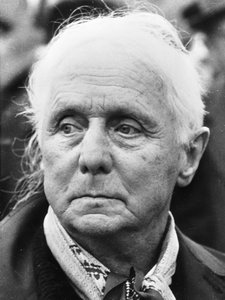
Max Ernst
1891 - 1976 , Almanya
Kısa Bilgiler
- Doğum Tarihi: 1 Nisan 1891
- Doğum Yeri: Brühl, Almanya
- Etkilediği Akımlar:
- Sürrealizm
- Dada
- Etkilenen Sanatçılar:
- Pablo Picasso
- Paul Éluard
- Salvador Dalí
- Sanatsal Akım: Dada, Sürrealizm
- Tam Adı: Max Ernst
- Uyruk: Alman-Amerikalı, Fransız
- Ölüm Tarihi: 1 Nisan 1976
- Önemli Eserler:
- Ofrenda funeraria
- The Equivocal Woman
- L'Ange du foyer
İlgili Yazılar

Strategic Sourcing of Premium Abstract Art for High-Impact Commercial Interiors and Large-Scale Hotel Projects
Streamline your commercial art procurement with our expert guide to sourcing premium abstract art for hotel and large-scale projects. Discover professional solutions for custom sizing, multi-panel layouts, and reliable bulk ordering designed for hospitality designers.

Expressionist Abstraction: A Procurement Guide to Bold Colors and Emotional Impact for Modern Hotel Interiors
Elevate hospitality spaces with Expressionist Abstraction. A professional procurement guide for hotel designers on sourcing bold, large-scale abstract oil paintings to create impactful, high-end modern interiors through reliable bulk-order art solutions.


