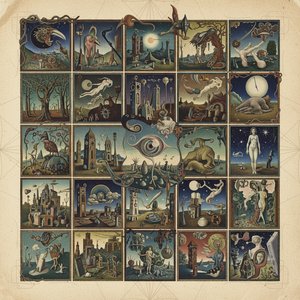
Lithograph.

§ 1Katalog verileri


Bu Eser Telif Hakkı Koruması Altındadır
Bu sayfada sergilenen eser telif hakkı yasasıyla korunmaktadır; bu da yasal olarak eserin birebir kopyasını oluşturamayacağımız veya satamayacağımız anlamına gelir. Bu koruma, aşağıdakiler gibi uluslararası anlaşmalar kapsamında uygulanmaktadır: Bern Sözleşmesi ve aşağıdakiler de dahil olmak üzere ulusal yasalarca belirlenen ABD Telif Hakkı Kanunu - 17. Başlık.
Saygılı ve yasal bir alternatif olarak, orijinalinden ilham alan, kişiye özel, el boyaması sanat eserleri sunuyoruz. Deneyimli ve profesyonel sanatçılarımız, aynı duyguyu uyandıran yeni ve benzersiz bir eser yaratmak için orijinalin stilini, ruhunu ve sanatsal özünü titizlikle inceler; üstelik bu eser, kendi başına özgün bir üretim olarak kalır.
Bu yöntem, koruma altındaki sanat eserinin kopyalanmasını veya çoğaltılmasını içermediği için telif hakkı düzenlemelerine tam uyum sağlar. Bunun yerine, yaratıcı bir yeniden yorumlamadır; orijinalinden etkilenen ancak onunla aynı olmayan yeni bir tablodur.
 Daha fazla bilgi edinin
§ 2Soyut
Eser Açıklaması
Senza titolo by Max Ernst: A surreal lithograph featuring books, snakes, and circles – explore its symbolism and discover more about Ernst’s groundbreaking artistic vision.
Sanatçı Biyografisi
Max Ernst (1891-1976), Dada ve Gerçeküstücülüğün öncüsü! Yenilikçi frottage, kolajları ve kuşlar, manzaralar ve psikolojik temaları içeren rüya gibi resimlerini keşfedin. 20. yüzyıl sanatının sınırlarını zorlayan bir deha!
§ 3Yorumlar
A Descent into the Surrealist Labyrinth
To encounter Max Ernst’s “Senza titolo” is to step beyond the threshold of the rational world and enter a psychological landscape where the boundaries of reality begin to dissolve. Created in 1925, this evocative lithograph serves as a profound window into the mind of one of the twentieth century's most influential architects of the subconscious. Emerging from the intellectual tremors of the post-World War I era, Ernst utilized his art to navigate the wreckage of societal norms, drawing deeply from the burgeoning field of psychoanalysis. The work does not merely present a scene; it orchestrates an encounter with the uncanny, inviting viewers to wander through a dreamscape where every shadow and shape whispers of hidden truths and repressed desires.
The composition is a masterclass in what might be described as calculated chaos. At first glance, the eye is drawn to a collection of seemingly familiar objects—books, snakes, and geometric motifs—yet their arrangement defies the comfort of logic. Ernst employs a meticulous technique, utilizing fine hatching and precise contours that lend a startling sense of tactile reality to each element. This precision, however, is used to heighten the unsettling nature of the spatial arrangement. Books lean precariously against one another as if on the verge of collapse, creating an atmosphere of profound instability. A snake coils diagonally across the canvas, its movement disrupting linear perspective and injecting a primal, visceral tension into the scene. It is this very juxtaposition—the hyper-realistic rendering of objects set within an impossible, fractured space—that defines the haunting allure of Ernst’s Surrealist vision.
Symbolism and the Architecture of Dreams
Beneath the surface of this intricate arrangement lies a dense web of Freudian symbolism. For the discerning collector or art enthusiast, “Senza titolo” offers a rich tapestry of meaning to decode. The books, often representing the weight of human knowledge and intellectual pursuit, are depicted in a state of precarious balance, perhaps suggesting the fragility of reason when confronted by the overwhelming power of the irrational. The serpent, a recurring motif in Ernst’s oeuvre, acts as a potent symbol of instinctual drives—representing transformation, danger, and the untamed sexuality that resides within the human psyche. Even the circular motif at the periphery serves to anchor the viewer within a cyclical, dream-like logic that transcends time.
For those looking to integrate such a profound piece into a curated interior, “Senza titolo” provides an unparalleled focal point of intellectual depth and aesthetic intrigue. Whether displayed in a modern gallery-style setting or as a conversation piece within a sophisticated study, the artwork commands attention through its ability to provoke contemplation. It is more than a mere decoration; it is an invitation to explore the textures of the mind. A high-quality reproduction of this masterpiece allows the subtle nuances of Ernst’s hatching and the dramatic tonal variations to shine, bringing the restless, beautiful energy of the Surrealist movement into the contemporary home.
Soru ve Cevaplar
Max Ernst imzalı "Senza titolo" eserinde hangi renkler hakimdir?
Max Ernst imzalı "Senza titolo" eserinin renk kimliği: Putty (#eed4b7) renginin hakim olduğu Pastels bir palet.
"Senza titolo" eserinin yaratıcısı kim?
"Senza titolo" eserinin sanatçısı Max Ernst'tir. Eser, Max Ernst adına kataloglanmıştır.
Max Ernst imzalı "Senza titolo" için bir rehber sayfası mevcut mu?
Max Ernst imzalı "Senza titolo" eserinin Bilgi Notu sayfası; eserin kimlik tablosu, sanatçının yaşam öyküsü içinde yerini gösteren on yıllık zaman çizelgesi, sanatçının diğer çalışmaları, ölçülmüş renk paleti ve dört farklı stilde kopyalamaya hazır atıfları içeren, iki sayfadan oluşan yazdırılabilir bir bilgi formu sunar.



 Baskı Satışına Geç


 Herhangi bir kenarı 105 cm'den (yaklaşık 41 inç) büyük olan sanat eserleri veya reprodüksiyonlar için çerçeve, demonte edilmiş bir kit halinde gönderilecektir. Bu yöntem, güvenli teslimat sağlar ve taşıma sırasında oluşabilecek hasarları önler.