

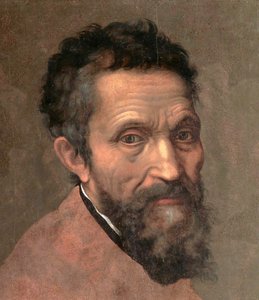
1519. Acrylic On Canvas. Galleria dell'Accademia.

§ 1Katalog verileri


§ 2Soyut
Eser Açıklaması
 Tümünü Gör
Sanatçı Biyografisi
Michelangelo (1475-1564): Rönesans'ın dahi sanatçısı! Davut heykeli, Sistine Şapeli freskleri ve Pietà gibi eserleriyle tanınır. İnsan formuna olan hakimiyeti ve etkileyici tarzıyla sanat tarihini derinden etkiledi.
§ 3Yorumlar
The Silent Strength of Stone: Michelangelo’s ‘Slave’
Michelangelo Buonarroti's “Slave (bearded),” conceived in 1519, is more than just a sculpture; it’s an embodiment of the anxieties and aspirations swirling within the heart of the High Renaissance. This remarkable piece, captured in stark black and white photography, offers a poignant glimpse into the artist’s profound exploration of human potential – both its glorious heights and its inherent vulnerability. The photograph itself, with its dramatic lighting emphasizing the texture of the marble, immediately draws us close, inviting an intimate encounter with this figure frozen in contemplation.
The sculpture, believed to be a study for one of the unfinished slaves intended for Pope Julius II’s tomb, is a testament to Michelangelo's mastery of anatomical realism and expressive power. The subject, seated upon a simple pedestal, possesses a quiet dignity that belies his unfinished state. His posture – slightly slumped, head bowed – speaks volumes about the weight of existence, the burdens of labor, and perhaps even the melancholy inherent in contemplating mortality. Notice particularly the detail of the beard; it’s not merely decorative but adds an element of profound realism, grounding the figure in a tangible human experience.
A Study in Form and Emotion
Michelangelo's technique is breathtakingly evident in every curve and contour of this marble figure. He employed a subtractive method, meticulously carving away excess material to reveal the underlying form with astonishing precision. The surface is polished to a luminous sheen, reflecting light and creating an illusion of depth and volume. The contrapposto stance – where the weight is shifted onto one leg – is flawlessly executed, demonstrating his deep understanding of human anatomy and movement. But it’s not just technical skill that defines this work; Michelangelo infused the sculpture with a palpable sense of emotion. The subtle furrowing of the brow, the downward gaze, all contribute to an atmosphere of quiet sorrow and introspective thought.
The choice of depicting a ‘slave,’ even in a preparatory study, is deeply significant within its historical context. Renaissance Italy was rife with social inequality, and the concept of slavery – though often shrouded in euphemisms – was a pervasive reality. Michelangelo’s depiction isn't a glorification of bondage; rather, it’s a meditation on human dignity stripped bare. The figure embodies the potential for greatness that exists within every individual, regardless of circumstance. He is not defined by his servitude but by his inherent humanity.
Symbolism and the Unfinished Ideal
The unfinished nature of “Slave (bearded)” adds another layer of complexity to its interpretation. Michelangelo rarely completed works to his own satisfaction, often leaving them as studies or prototypes. This is particularly evident in the numerous slaves he conceived for the tomb project – figures that were ultimately abandoned due to financial constraints and papal interference. The unfinished state serves as a powerful symbol of unrealized potential, of dreams deferred, and perhaps even of the artist’s own frustrations with the limitations imposed upon him.
Furthermore, the figure's seated position suggests a contemplative role – a being engaged in internal reflection rather than external action. This aligns with Renaissance ideals of humanism, which emphasized the importance of reason, intellect, and moral virtue. The ‘Slave’ becomes a representation of the soul striving for enlightenment, wrestling with its own limitations while retaining an unwavering capacity for dignity and grace.
Bringing Michelangelo to Your Space
AllPaintingsStore offers meticulously crafted hand-painted reproductions of “Slave (bearded),” allowing you to experience the profound beauty and emotional resonance of this iconic sculpture in your own home or office. Our artists replicate Michelangelo’s masterful technique with unparalleled attention to detail, capturing the nuances of light, texture, and expression that make this work so captivating. Whether you are an art enthusiast, a collector seeking to expand your collection, or an interior designer looking for a statement piece, our reproductions provide a faithful representation of this timeless masterpiece – a silent testament to human strength, vulnerability, and enduring artistic genius.
Soru ve Cevaplar
Michelangelo imzalı "Slave (bearded)" neyi betimliyor ve nasıl bir duygu uyandırıyor?
"Slave (bearded)", michelangelo, sculpture, marble, renaissance, humanism, anatomy, detail, romanesque konularını işlerken Classic bir atmosfer sunmaktadır.
"Slave (bearded)" eserinin ön izlemesini nerede görebilirim?
Michelangelo imzalı "Slave (bearded)" eserinin ön izlemesine eserin Önizleme sayfasından ulaşabilirsiniz.
"Slave (bearded)" eserinde hangi ruh hali ve duygu bir araya geliyor?
Michelangelo imzalı "Slave (bearded)", genel olarak Classic bir ruh hali içinde Melancholic bir duygu aktarıyor.


 Baskı Satışına Geç


 Herhangi bir kenarı 105 cm'den (yaklaşık 41 inç) büyük olan sanat eserleri veya reprodüksiyonlar için çerçeve, demonte edilmiş bir kit halinde gönderilecektir. Bu yöntem, güvenli teslimat sağlar ve taşıma sırasında oluşabilecek hasarları önler.





