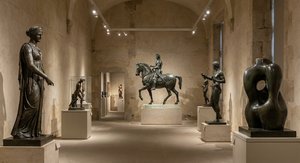
1494. Tuval Üzerine Akrilik Boya. San Domenico.

§ 1Katalog verileri


§ 2Soyut
Eser Açıklaması
Michelangelo's St Proculus sculpture, housed in Bologna's Basilica of San Domenico, exemplifies Renaissance artistry and masterful marble craftsmanship—a testament to Buonarroti’s genius.
 Tümünü Gör
Sanatçı Biyografisi
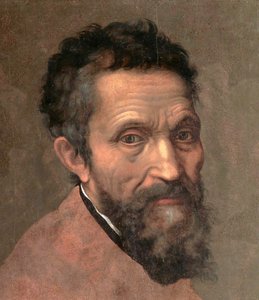
Michelangelo (1475-1564): Rönesans'ın dahi sanatçısı! Davut heykeli, Sistine Şapeli freskleri ve Pietà gibi eserleriyle tanınır. İnsan formuna olan hakimiyeti ve etkileyici tarzıyla sanat tarihini derinden etkiledi.
§ 3Yorumlar
St Proculus by MICHELANGELO Buonarroti
The Basilica of San Domenico in Bologna stands as a testament to artistic grandeur, housing treasures that illuminate the history of Italian Renaissance sculpture. Among these masterpieces is *St Proculus*, sculpted by Michelangelo Buonarroti between 1494 and 1495—a work that embodies the artist’s revolutionary approach to form and emotion, marking an early pivotal moment in his illustrious career. This marble statue, measuring approximately 58.5 centimeters, captures Saint Proculus, a Roman martyr venerated for his unwavering faith during Diocletian's persecution of Christians. Michelangelo’s fascination with classical ideals—particularly the human figure—is palpable in *St Proculus*. Unlike earlier sculptural traditions that prioritized stylized representations, Michelangelo sought to achieve anatomical accuracy and naturalistic expression, drawing inspiration from sculptures by Donatello and Niccolò dell’Arca. The statue's pose—a standing figure with his hands clasped together—echoes the monumental sculptures of antiquity, demonstrating Michelangelo’s profound understanding of sculptural principles. The sculpture’s surface is characterized by meticulous polishing and carving techniques, revealing an astonishing level of detail. Michelangelo skillfully rendered musculature, drapery folds, and skin texture, capturing the essence of human anatomy with unprecedented realism. The artist's mastery of marble craftsmanship—a skill honed during his apprenticeship—is evident in every aspect of the statue’s execution. Beyond its technical brilliance, *St Proculus* holds significant symbolic importance. Representing Saint Proculus as a martyr symbolizes Christian piety and resilience in the face of adversity. Michelangelo’s depiction conveys a sense of solemn dignity and spiritual contemplation, inviting viewers to contemplate themes of faith, sacrifice, and divine grace. The statue's placement within the Basilica—a sacred space dedicated to religious devotion—further underscores its symbolic resonance. Michelangelo Unterberger, Michael Angelo Unterberger (1695–1758): Explore the dramatic Baroque altarpieces & paintings of this South Tyrolean artist, known for his masterful chiaroscuro and imperial commissions. Discover his legacy!- Michelangelo Buonarroti
- Saint Proculus
- Marble Sculpture
- Renaissance Art
- Basilica of San Domenico, Bologna
- Saint Proculus
- Sculptor
- Renaissance Master
- Classical Influence
- Symbolism: Martyrdom & Faith
- David
- Pietà
- The Last Judgment
- Laurentian Library
Soru ve Cevaplar
Baroque akımına ait "St Proculus" adlı eser hangi duyguyu yansıtıyor?
Baroque akımı içerisinde, "St Proculus" eseri Güçlü ve Etkileyici bir tonla kaydedilmiştir.
Michelangelo imzalı "St Proculus" eserinin renkleri nasıl bir duygu uyandırıyor?
"St Proculus" eserinde, Nötr Renkler renkler Güçlü ve Etkileyici bir duyguya eşlik ediyor.
Michelangelo, "St Proculus" eserini kaç yaşında yaptı?
Michelangelo, "St Proculus" adlı eserini 19 yaşındayken yaptı. Sanatçı 1475 yılında doğmuştur ve eser 1494 tarihine aittir.


 Baskı Satışına Geç


 Herhangi bir kenarı 105 cm'den (yaklaşık 41 inç) büyük olan sanat eserleri veya reprodüksiyonlar için çerçeve, demonte edilmiş bir kit halinde gönderilecektir. Bu yöntem, güvenli teslimat sağlar ve taşıma sırasında oluşabilecek hasarları önler.