


 Önizleme yap
 Paylaş
 Paylaş
 Detayları Gör
 Rehber

 İndir
İndir
 Benzerlerini gör
 X-Işını
 Slayt Gösterisi
 İstatistikler
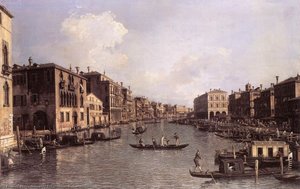
View of the Rio di Cannareggio
 1740
1740 52.0 x 85.0 cm
 Tümünü Gör
El Yapımı Yağlı Boya Reproduksiyon
Sanatçılarımız tarafından sipariş üzerine hazırlanan; istediğiniz boyut ve çerçevede, tuval üzerine el boyaması yağlı boya. ( Baskı Moduna Geç Dijital Görsele Geç)




































Eserin orijinal oranlarıyla uyumlu, önceden belirlenmiş boyutlarımız arasından seçim yapın.

Belirli bir çerçeveye veya alana uyması için kendi boyutlarınızı girebilirsiniz. Seçtiğiniz boyut orijinal görüntünün oranlarıyla eşleşmiyorsa, sanat eserini kırparak veya ek el boyaması öğelerle resmi uzatarak ayarlayacağız. Üretim başlamadan önce onayınız için dijital bir taslak gönderilecektir.
Lütfen ekrandaki önizlemenin gerçek kırpmayı veya uzatmayı yansıtmadığını unutmayın. Nihai kompozisyonu yalnızca hazırlanan taslak doğru şekilde gösterecektir.
Özel boyutlar mevcut olsa da, orijinal oranları korumak adına önceden tanımlanmış listeden bir boyut seçmenizi öneririz.
Siparişten sonra, AllPaintingsStore.com ekibi talimatlar için müşteriye e-posta gönderecek ve bir taslak önizleme sunacaktır
Dünya Çapında Teslimat (); standart 5 hafta yerine 3/4 haftada. (21 Eylül). Kaliteden ödün verilmez.

Dünya Çapında Ücretsiz Ekspres Kargo

Yüksek Kaliteli Keten Tuval

Tam Kapsamlı Nakliye Sigortası

Gümrük Vergisi İade Garantisi

Gerçek Renk Uyumu Garantisi

100 Günlük İade Politikası (Sadece Kusurlu Ürünler İçin)

%100 Para İade Garantisi

Toplu Alım İndirimi
 Cam seçeneği yalnızca 110 cm altındaki boyutlar için mevcuttur.

View of the Rio di Cannareggio
Reproduksiyon Tekniği
Reproduksiyon Boyutu
-


Toplam Tutar
$ 258
Benzer Eserler



Sanatçı Özgeçmişi
The Venetian Visionary: The Life and Legacy of Michele Marieschi
In the golden age of the Venetian Rococo, few artists captured the ephemeral magic of the Serenissima with as much vitality as Michele Giovanni Marieschi. Born in Venice in 1710, Marieschi emerged from a lineage of craftsmanship, being the son of a woodcarver—a background that likely instilled in him a profound respect for structure, texture, and the physical essence of the objects he depicted. While his life was relatively brief, spanning only until his death in early 1744, his impact on the veduta tradition remains indelible. He did not merely document the architecture of Venice; he breathed life into its stone and water, transforming static cityscapes into breathing, luminous narratives of light and movement.
The development of Marieschi’s unique style was deeply rooted in the artistic currents flowing through 18th-century Italy. Scholars often point to the influence of masters such as Gaspare Diziani and the legendary Canaletto, whose works provided a blueprint for capturing the grandeur of urban environments. However, where Canaletto sought a certain topographical precision and a more restrained, classical clarity, Marieschi found his voice in a bolder, more emotive approach. He embraced a palette that pulsed with color and a brushwork that felt spontaneous and energetic. This stylistic distinction allowed him to move beyond mere architectural recording, infusing his landscapes with a sense of theatricality and atmosphere that suggested the very pulse of Venetian life.
Mastery of Light and the Veduta Tradition
Marieschi’s contribution to the veduta—the genre of highly detailed, large-scale topographical paintings—is characterized by an extraordinary command of perspective and light. His works often feature iconic landmarks such as the Grand Canal, the Salute, and various majestic palaces, yet they are far from being mere postcards of the era. Instead, he utilized a technique that blended meticulous detail with imaginative embellishment, creating scenes that felt both real and dreamlike. Through his eyes, the water of the canals becomes a mirror for the shifting sky, and the shadows cast by ancient churches become vessels for mystery and depth.
His technical prowess is perhaps most evident in his ability to manipulate light to evoke specific moods:
- Atmospheric Perspective: The use of soft, hazy tones to create a sense of immense distance and scale within his cityscapes.
- Dynamic Brushwork: A lively application of paint that captures the shimmering reflections on the Venetian lagoons.
- Architectural Grandeur: A profound understanding of structural geometry, allowing him to render complex facades with both accuracy and elegance.
Historical Significance and Artistic Resonance
The historical significance of Michele Marieschi lies in his ability to bridge the gap between the rigid documentation of the early 18th century and the more expressive, emotive landscapes that would follow. He was a pivotal figure in transitioning the Venetian view from a purely observational medium into an art form capable of conveying profound emotional resonance. His work serves as a vital window into a vanished world, preserving the splendor of Venice before the seismic shifts of the late 18th century altered its social and political landscape forever.
Today, Marieschi’s canvases continue to captivate collectors and historians alike. Whether it is the breathtaking view of the Grand Canal near the Salute or his more intimate architectural studies, his paintings remain masterclasses in the Rococo spirit. He remains a celebrated figure for those seeking to experience the vibrant energy, the luminous light, and the enduring elegance of a Venice that continues to haunt the collective imagination of the art world.

Michele Marieschi
1710 - 1743 , Italy
Kısa Bilgiler
- Artistic Movement Or Style: Vedute Venice
- Artists Or Movements Influenced By This Artist: ['Francesco Guardi']
- Artists Who Influenced This Artist:
- Marco Ricci
- Luca Carlevarijs
- Canaletto
- Date Of Birth: December 1710
- Full Name: Michele Giovanni Marieschi
- Nationality: Italian
- Notable Artworks:
- Capriccio with Classical Arch and Goats
- The Grand Canal with the Ca' Rezzonico and the Campo San Samuele
- Place Of Birth: Venice, Italy


