


 Önizleme yap
 Paylaş
 Paylaş
 Detayları Gör
 Rehber

 İndir
İndir
 Benzerlerini gör
 X-Işını
 Slayt Gösterisi
 İstatistikler
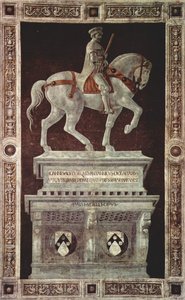
Sir John Hawkwood'ın Anıtı: Savaş ve Görüşün Yankıları
 Tuval Üzerine Akrilik Boya
- Duvar Sanatı
- Renaissance
 1436
1436- Rönesans
 820.0 x 515.0 cm
 Duomo
Duomo
 Tümünü Gör
El Yapımı Yağlı Boya Reproduksiyon
Sanatçılarımız tarafından sipariş üzerine hazırlanan; istediğiniz boyut ve çerçevede, tuval üzerine el boyaması yağlı boya. ( Baskı Moduna Geç Dijital Görsele Geç)




P118B $10

P118H $10

P118W $10

P438Z $10

P508JH $12

P508YH $12

P805H $10

P805Z $10

P919BZ $10

P919G $10

P919XJ $10

P959ZH $10

P968JZ $12

W106C $8

W218G $10

W218JH $8

W218Y $10

W307PJ $10

W316G $10

W316PJ $8

W316Y $10

W398PJ $8

W4111J $10

W500HY $15

W500JH $15

W692G $12

W849H $8

W940BG $15

W953PJ $8




Eserin orijinal oranlarıyla uyumlu, önceden belirlenmiş boyutlarımız arasından seçim yapın.

Belirli bir çerçeveye veya alana uyması için kendi boyutlarınızı girebilirsiniz. Seçtiğiniz boyut orijinal görüntünün oranlarıyla eşleşmiyorsa, sanat eserini kırparak veya ek el boyaması öğelerle resmi uzatarak ayarlayacağız. Üretim başlamadan önce onayınız için dijital bir taslak gönderilecektir.
Lütfen ekrandaki önizlemenin gerçek kırpmayı veya uzatmayı yansıtmadığını unutmayın. Nihai kompozisyonu yalnızca hazırlanan taslak doğru şekilde gösterecektir.
Özel boyutlar mevcut olsa da, orijinal oranları korumak adına önceden tanımlanmış listeden bir boyut seçmenizi öneririz.
Siparişten sonra, AllPaintingsStore.com ekibi talimatlar için müşteriye e-posta gönderecek ve bir taslak önizleme sunacaktır
Dünya Çapında Teslimat (); standart 5 hafta yerine 3/4 haftada. (21 Eylül). Kaliteden ödün verilmez.

Dünya Çapında Ücretsiz Ekspres Kargo

Yüksek Kaliteli Keten Tuval

Tam Kapsamlı Nakliye Sigortası

Gümrük Vergisi İade Garantisi

Gerçek Renk Uyumu Garantisi

100 Günlük İade Politikası (Sadece Kusurlu Ürünler İçin)

%100 Para İade Garantisi

Toplu Alım İndirimi
 Cam seçeneği yalnızca 110 cm altındaki boyutlar için mevcuttur.

Sir John Hawkwood'ın Anıtı: Savaş ve Görüşün Yankıları
Reproduksiyon Tekniği
Reproduksiyon Boyutu
-


Toplam Tutar
$ 258
The Echoes of War and Vision: Paolo Uccello’s Funerary Monument to Sir John Hawkwood
Paolo Uccello's *Funerary Monument to Sir John Hawkwood*, a fresco dominating the north wall of Florence Cathedral, isn’t merely a depiction of a soldier; it’s a meticulously constructed tableau of ambition, political maneuvering, and the burgeoning spirit of Renaissance perspective. Completed in 1436, this monumental work transcends its initial purpose as a commemorative piece for the celebrated English condottiero – a mercenary commander – to become a profound meditation on Florentine identity, artistic innovation, and the very nature of seeing. The fresco immediately commands attention with its scale—a vast expanse of painted plaster that draws the viewer into a meticulously rendered world, yet it’s the subtle details, the calculated distortions, and the underlying tension that truly captivate. It's a testament to Uccello’s singular vision, a blend of military grandeur and intellectual experimentation that continues to fascinate centuries later.- A Commission Forged in Politics: The genesis of this monumental work is inextricably linked to the volatile political landscape of 15th-century Florence. Sir John Hawkwood, a veteran of numerous Italian wars, had served Florence with considerable success, bolstering its defenses and securing vital alliances. However, his methods were often ruthless, and his loyalty was perpetually in question. Commissioning this fresco wasn’t simply an act of honoring a soldier; it was a strategic move by the Florentine Republic to solidify its position, projecting an image of strength and stability through the glorification of a foreign hero. The very choice of Hawkwood – a pragmatic warrior rather than a noble lineage – underscored Florence's pragmatic approach to diplomacy and military prowess.
- The Pioneering Use of Perspective: Uccello’s genius lies not just in his subject matter but in his revolutionary approach to visual representation. He wrestled with the challenge of depicting three-dimensional space on a two-dimensional surface, employing techniques that were groundbreaking for his time. Notice how he manipulates the vanishing point—not a single, fixed location as later artists would achieve—but rather utilizes *two* distinct points, creating an illusion of depth and drawing the eye towards the central figure of Hawkwood. This deliberate distortion, this conscious departure from traditional realism, is what makes the fresco so utterly compelling. It’s a visual puzzle, inviting the viewer to actively engage with the artwork and decipher its complex spatial relationships.
- Symbolism Woven into the Fabric: Beyond the immediate depiction of Hawkwood on horseback, the fresco is laden with symbolic meaning. The meticulously arranged shields – bearing the emblems of Florence and Hawkwood’s former employers – speak volumes about the shifting alliances and political machinations of the era. The carefully positioned horses, rendered with an almost obsessive attention to detail, represent both power and movement, mirroring Hawkwood's military career. Even the muted color palette—primarily verdant greens and earthy reds—contributes to the overall atmosphere of solemn grandeur.
The Artist’s Obsession: Uccello’s Mathematical Approach
Paolo Uccello wasn’t simply a painter; he was, by all accounts, a mathematician obsessed with the principles of perspective. Giorgio Vasari, in his *Lives of the Most Excellent Painters*, described Uccello as “a man who had made it his business to study perspective.” This dedication is evident throughout the *Funerary Monument*. He meticulously calculated angles and distances, creating a system for representing space that was far more complex and sophisticated than anything seen before. The fresco isn’t just aesthetically pleasing; it's a demonstration of Uccello’s intellectual rigor—a testament to his belief that art could be both beautiful *and* rational.- A Quest for the Vanishing Point: Uccello’s relentless pursuit of the vanishing point is perhaps the most striking aspect of his work. He experimented with different methods, often pushing the boundaries of what was considered acceptable in Renaissance art. The two distinct vanishing points—one for the sarcophagus and one for Hawkwood himself—create a sense of disorientation that forces the viewer to actively engage with the artwork’s spatial construction.
- The Influence of Geometry: Uccello's understanding of geometry played a crucial role in his artistic process. He employed geometric principles to create a sense of order and harmony within the composition, ensuring that all elements were aligned according to precise mathematical ratios. This meticulous attention to detail is evident in the perfectly proportioned horses, the carefully arranged shields, and the overall balance of the scene.
- A Departure from Tradition: Uccello’s approach to perspective was a radical departure from the conventions of his time. While other artists were focusing on creating realistic depictions of space, Uccello was experimenting with illusionistic techniques—creating the *impression* of depth rather than simply representing it accurately. This willingness to challenge established norms ultimately paved the way for future generations of Renaissance painters.
Restoration and Legacy: A Fresco Reborn
Over the centuries, the *Funerary Monument* has undergone several restorations, each adding a layer to its complex history. Initially, Lorenzo di Credi added a decorative frame in 1524, attempting to “correct” some of Uccello’s perceived imperfections. However, in 1842, the fresco was detached from the wall and repositioned twice for preservation purposes, a process that inevitably altered its original appearance. Today, it resides on the north wall of the nave, alongside another equestrian monument by Andrea del Castagno, offering a fascinating juxtaposition of artistic styles.- A Testament to Preservation: Despite the numerous interventions, the *Funerary Monument* remains remarkably well-preserved, providing invaluable insights into the techniques and aesthetics of Renaissance art. The careful conservation efforts undertaken over the past century have ensured that this masterpiece will continue to inspire and captivate audiences for generations to come.
- Influence on Later Artists: Uccello’s pioneering work in perspective had a profound influence on subsequent artists, including Leonardo da Vinci and Raphael. His experiments with spatial illusionism helped to shape the development of Renaissance art as a whole, demonstrating the power of visual representation to create convincing illusions of reality.
- A Continuing Source of Debate: The *Funerary Monument* continues to be a subject of scholarly debate, with historians and art critics offering diverse interpretations of its meaning and significance. Its complex symbolism, innovative perspective, and turbulent historical context ensure that it will remain a source of fascination for years to come.
Bringing Uccello’s Vision Home: Reproductions and Inspiration
The *Funerary Monument to Sir John Hawkwood* is more than just an artwork; it's a window into the mind of a visionary artist. AllPaintingsStore offers meticulously crafted, hand-painted reproductions that capture the essence of this iconic fresco, allowing you to bring its grandeur and complexity into your own space. These reproductions are not mere copies—they are artistic interpretations, imbued with the spirit of Uccello’s original vision. Whether you're an art collector, a design enthusiast, or simply someone seeking inspiration, AllPaintingsStore’s reproduction of this remarkable fresco offers a unique opportunity to connect with one of the most important works in Renaissance history. Explore our collection today and discover the enduring legacy of Paolo Uccello.Benzer Eserler




Sanatçı Özgeçmişi
Floransalı Bir Vizyoner: Paolo Uccello’nun Hayatı ve Sanatı
Paolo Uccello, asıl adı Paolo di Dono olan, 1397 yılında Floransa'nın eteklerindeki tepeler arasında doğmuş, Erken Rönesans döneminin en büyüleyici ve gizemli figürlerinden biridir. “Uccello” – kuş anlamına gelen lakabı – sanatsal eğilimlerini canlı renklerle kuşları betimlemeye yöneltirken, aynı zamanda kendi zamanının yükselen entelektüel akımlarına derinlemesine bağlı zihinsel bir yapıyı da gizler. O sadece bir ressam değil; bir öncüydü, tuvalin matematikçisiydi, görsel uzamın sırlarını çözmeye ve onları nefes kesen sanat eserlerine dönüştürmeye çalışan biriydi. Babası Dono di Paolo hem berber hem de cerrahlık mesleğini icra ederken annesi Antonia, Floransa soylu bir aileden geliyordu – bu kökler genç Paolo'ya hem pratik bir zeka hem de rafine bir estetik anlayışı aşılamış gibiydi. 1412’den 1416’ya kadar Uccello’nun şekillenme yıllarında Lorenzo Ghiberti’nin atölyesinde çıraklık yaptı; bu atolyede Floransa'nın muhteşem bronz kapıları için sanatsal yeniliklerin bir merkeziydi. Bu erken dönem maruziyeti, onu süslemeli zarafete ve anlatı açıklığına odaklanan hakim Gotik stile batırdı, ancak aynı zamanda içinde sınırları aşma arzusunu da ateşledi.Perspektifin Peşinde: Oynayan Matematiksel Bir Zihin
Uccello’nun sanatsal gelişimi sadece tekniği ustalaştırmakla ilgili değildi; aynı zamanda algıyı yöneten temel ilkeler hakkındaki bitmek bilmeyen bir merakla yönlendiriliyordu. Kendisi matematiğe, özellikle geometriye ve perspektife kapıldı – bunları soyut disiplinler olarak değil, gerçekliğin daha doğru bir temsilini açığa çıkarma araçları olarak gördü. Filippo Brunelleschi doğrusal perspektifin keşfiyle sıklıkla anılırken, Uccello onu resme sistematik olarak uygulayan ilklerden biriydi; yanılsama derinliği yaratmak için yokuş noktalarını ve ortogonal çizgileri titizlikle hesaplayarak daha önce sanatta büyük ölçüde eksik olan bir etki yarattı. Bu sadece teknik doğrulukla ilgili değildi; Uccello için perspektif, anlatıyı yapılandırmanın, dramayı artırmanın ve kompozisyonlarını düzen ve entelektüel titizlikle doldurmanın bir yolu haline geldi. Giorgio Vasari tarafından aktarıldığı gibi bu tutku neredeyse takıntı derecesindeydi; Uccello gece geç saatlere kadar uyanık kalıp yokuş noktalarını ve uzamsal ilişkileri düşünmeye dalmış haldeydi. Bu özveri, bazen eksantrik olarak algılanmasına rağmen, sanatı kökten değiştirdi ve gelecek nesillerden sanatçıların yolunu açtı.Yanılsamaların Şaheserleri: Ana Eserler ve Stilistik Özellikler
Uccello’nun yapıtı, nispeten küçük olmasına rağmen, Gotik zarafeti Rönesans yeniliğiyle birleştiren farklı bir tarzla işaretlenmiştir. San Romano Savaşı serisi, Floransa'nın bir zaferini anmak için sipariş edilen üç panelin belki de en ünlü başarısıdır. Bu resimler sadece savaş tasvirleri değildir; girdap figürleriyle, parçalanmış zırhlarla ve dramatik olarak kısaltılmış mızraklarla dolu dinamik kompozisyonlardır – bunların hepsi canlı renklerde ve titizlikle hesaplanmış perspektife göre düzenlenmiştir. Meryem'in Doğuşu, Uccello’nun doğrusal perspektifteki ustalığını sergileyerek sığ bir uzamda ikna edici bir derinlik yanılsaması yaratırken, St George ve Ejderha cesur renkler ve stilize formlarla karakterize efsanevi azizin çarpıcı bir tasvirini sunar. San Miniato al Monte fresklerinde Tufan ve Çera gibi eserlerde bile Uccello’nun mimari detaylara olan ilgisi ve karmaşık kompozisyonlar kolayca fark edilebilir. Onun stili tutarlı olarak şunları ortaya koymaktadır:- Canlı bir palet ve cesur renk kullanımı.
- Dramatik etki için sınırlarına kadar itilen doğrusal perspektife vurgu.
- Gotik sanatına benzeyen stilize figürler ve dekoratif desenler.
- Geometrik formlara ve uzamsal ilişkilere dair derin bir ilgi.
Mirası ve Etkisi: Sanat Tarihinde Kalıcı Bir Etki
Paolo Uccello’nun Rönesans'a katkısı, bireysel resimlerinin çok ötesine geçmektedir. Perspektifin öncü keşfi sanat tarihinin seyrini kökten değiştirdi ve onu takip eden sayısız sanatçıyı etkiledi. Ünlü Alman gravürcüsü ve ressamı Albrecht Dürer, Uccello’nun çalışmalarından derinden ilham almış, perspektifi incelemeye kendini adamış ve ilkelerini kendi sanatsal pratiğine dahil etmiştir. Uccello'nun stili kariyeri boyunca biraz eksantrik kalmasına rağmen – Gotik inceliği ile Rönesans yeniliği arasında benzersiz bir karışım – uzay ve biçim konusundaki çığır açan yaklaşımı onu Batı sanatının gelişiminde önemli bir figür olarak konumlandırmıştır. 1475'te Floransa’da hayatını kaybetti, sadece güzel resimlerden değil, aynı zamanda sanatsal merak ve cesaretten oluşan bir miras bıraktı. Çalışmaları hayranlık uyandırmaya devam ediyor ve gerçek sanatçılığın yalnızca görünen şeyde değil, onu nasıl gördüğümüzün anlaşılmasında yattığını hatırlatıyor.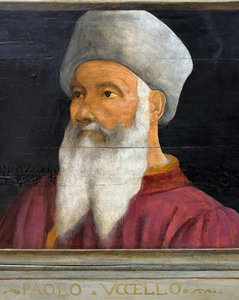
Paolo Uccello
1397 - 1475 , İtalya
Kısa Bilgiler
- Doğum Tarihi: 1397
- Doğum Yeri: Pratovecchio, İtalya
- Etkilediği Sanatçılar: ['Albrecht Dürer']
- Etkilenen Sanatçılar:
- Lorenzo Ghiberti
- Donatello
- Sanatsal Akım: Erken Rönesans
- Tam Adı: Paolo Uccello
- Uyruk: İtalyan
- Ölüm Tarihi: 1475
- Önemli Eserler:
- San Romano Savaşı
- Meryem'in Doğumu
- St George & Dragon
- Tufan ve Çera
İlgili Makaleler

Fresco Art Guide: Mastering the Timeless Technique of Wall Painting for Luxury Interior Design
Master the art of fresco for luxury hospitality design. Explore technical insights into historical wall painting and discover how professional-grade, large-scale reproductions can elevate hotel interiors with timeless Renaissance elegance.


