

1896. Graphite Pencil, 55.0 x 43.0 cm.

§ 1Katalog verileri

- 55.0 x 43.0 cm


§ 2Soyut
Eser Açıklaması
Discover Paul Cézanne’s ‘The Card Player,’ a captivating black & white pencil sketch. Explore this post-impressionist portrait's meticulous detail & timeless elegance.
 Tümünü Gör
Sanatçı Biyografisi
Post-empresyonist ressam Paul Cézanne (1839-1906), Empresyonizm ile Kübizm arasında köprü kurdu! Geometrik formları, natürmortları ve modern sanat üzerindeki kalıcı etkisiyle tanışın. #Cezanne #PostEmpresyonizm
§ 3Yorumlar
A Study in Quiet Observation: The Soul of Cézanne’s Pencil
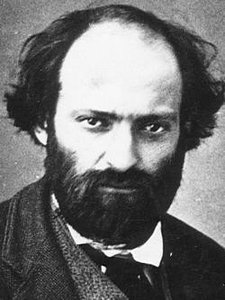
In the quiet corners of art history, few moments possess the profound stillness found in Paul Cézanne’s 1896 pencil sketch, The Card Player. This unassuming work, measuring a delicate 55 x 43 cm, transcends the boundaries of a mere preparatory study to become a masterclass in human presence. While many associate Cézanne with the vibrant, heavy impasto of his oil paintings, this graphite piece reveals a different side of the Post-Impressionist master—one of intense, focused intimacy. The artwork captures a man seated at a table, his entire being absorbed by the document before him. There is no grand drama here, only the weight of concentration and the subtle, rhythmic beauty of a moment frozen in time.
The technique employed in this sketch is nothing short of revolutionary for its era. Eschewing the fleeting, light-drenched spontaneity of his Impressionist contemporaries, Cézanne utilizes meticulous hatching and cross-hatching to sculpt form out of shadow. Through the careful application of graphite, he creates a palpable sense of volume; the curve of a shoulder, the sturdy edge of a table, and the delicate texture of paper are all rendered with a structural integrity that feels almost architectural. This deliberate use of line does not merely outline a subject; it builds a world of tactile reality, where light seems to emerge from the very grain of the paper itself.
The Architecture of Emotion and Form
Beyond its technical brilliance, The Card Player serves as a bridge between the observational realism of the past and the geometric abstraction of the future. During his formative years, Cézanne was deeply influenced by the burgeoning scientific interest in structure and perception. In this sketch, we see the seeds of Cubism being sown. He treats the human figure not just as a subject of portraiture, but as a collection of essential shapes and textures. The interplay between the dark, varied thicknesses of his lines and the soft, shaded depths creates a dynamic tension that keeps the viewer’s eye moving, searching for the boundary between the man and his environment.
For the discerning collector or interior designer, this piece offers a unique emotional resonance. It embodies a sense of intellectual sanctuary—a quietude that is increasingly rare in our modern, frenetic world. The monochromatic palette lends it a timeless, sophisticated elegance, making it an ideal centerpiece for spaces designed for contemplation, such as a private library, a study, or a minimalist gallery-style living room. To possess a reproduction of this work is to invite the spirit of focused observation into one's home, providing a window into a moment of pure, undistracted thought.
Ultimately, Cézanne’s work reminds us that there is immense power in the understated. By stripping away the distractions of color, he forces us to confront the raw essence of his subject. This sketch is not just a depiction of a man reading; it is an invitation to slow down, to observe the subtle shifts in light and shadow, and to find beauty in the profound simplicity of existence.
Soru ve Cevaplar
"The Card Player" eserinin 1896 tarihli olması, Paul Cézanne'in kariyerinin hangi dönemine denk gelmektedir?
1896 yılında yaratılan "The Card Player", Paul Cézanne kariyerinin Mature Period dönemine aittir.
Paul Cézanne imzalı "The Card Player" eserinde hangi renkler hakim?
Paul Cézanne imzalı "The Card Player", baskın rengin Putty (#ebdcda) olduğu Monochrome bir palet kullanıyor.
"The Card Player" eserinin arkasındaki sanatçı ve tarz hangisidir?
Paul Cézanne, "The Card Player" adlı eserini Post-Impressionism akımı içerisinde yaratmıştır.


 Baskı Satışına Geç


 Herhangi bir kenarı 105 cm'den (yaklaşık 41 inç) büyük olan sanat eserleri veya reprodüksiyonlar için çerçeve, demonte edilmiş bir kit halinde gönderilecektir. Bu yöntem, güvenli teslimat sağlar ve taşıma sırasında oluşabilecek hasarları önler.


