


 Gerçek Boyutta Önizle

 Paylaş
 Paylaş
 Detayları Gör
 Rehber


 İndir
 Benzer ürünler
 X-Işını
 Slayt Gösterisi
 Soru & Cevap
 İstatistikler
Varanasi

- 127.0 x 127.0 cm


 Tümünü Gör
Bu sayfada sergilenen eser telif hakkı yasasıyla korunmaktadır; bu da yasal olarak eserin birebir kopyasını oluşturamayacağımız veya satamayacağımız anlamına gelir. Bu koruma, aşağıdakiler gibi uluslararası anlaşmalar kapsamında uygulanmaktadır: Bern Sözleşmesi ve aşağıdakiler de dahil olmak üzere ulusal yasalarca belirlenen ABD Telif Hakkı Kanunu - 17. Başlık.
Bu yöntem, koruma altındaki sanat eserinin kopyalanmasını veya çoğaltılmasını içermediği için telif hakkı düzenlemelerine tam uyum sağlar. Bunun yerine, yaratıcı bir yeniden yorumlamadır; orijinalinden etkilenen ancak onunla aynı olmayan yeni bir tablodur.
Giclée / Sanat Baskısı
Hızlı üretim ve esnek bitiş seçenekleriyle müze kalitesinde giclée veya kanvas baskı. ( El Yapımı Tablo Satın Al Dijital Görsele Geç)
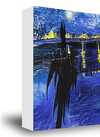
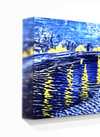
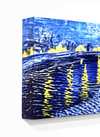
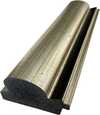
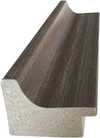
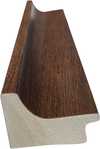
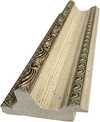
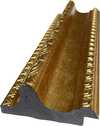
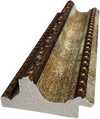
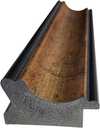
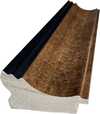
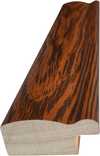
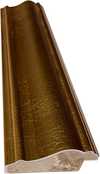
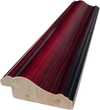
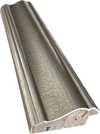
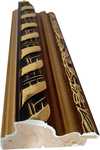
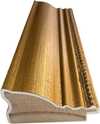
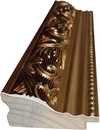
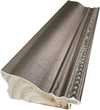
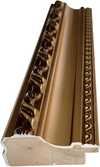
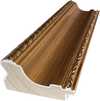
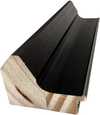
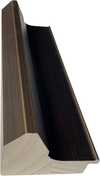
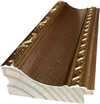
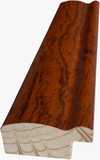
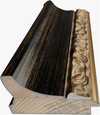
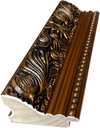
Eserin orijinal oranlarıyla uyumlu, önceden belirlenmiş boyutlarımız arasından seçim yapın.

Çerçevenize veya duvarınıza uygun olması için ihtiyacınız olan genişlik ve yüksekliği yazın. Bir baskı yalnızca kesilebilir, görselden daha büyük hale getirilemez; bu nedenle farklı bir formdaki boyut seçimi, görselin bir kısmının kaybına neden olur. Herhangi bir baskı yapmadan önce onaylamanız için size bir dijital taslak gönderiyoruz. Bu sayfada gösterilen resim gerçek kesimi göstermez — bunu yalnızca taslak gösterir.
Dünya Çapında Teslimat (); standart 4/5 hafta yerine 2 haftada. (21 Kasım)

Dünya Çapında Ücretsiz Ekspres Kargo

Yüksek Kaliteli Keten Kanvas

Tam Nakliye Sigortası

Gümrük Vergisi İadesi Garantisi

Gerçek Renk Uyumu Garantisi

100 Günlük İade Politikası (Sadece Kusurlu Ürünler İçin)

%100 Para İade Garantisi

Toplu Alım İndirimi
 Cam seçeneği yalnızca 110 cm altındaki boyutlar için mevcuttur.

Varanasi
Giclée / Sanat Baskısı
Reproduksiyon Boyutu
-


Toplam Tutar
₺ 3229
Benzer Eserler


Sanatçı Özgeçmişi
The Shift from Form to Abstraction
Shimla, India, 1924. A large middle-class family of eight brothers and sisters gathers in the capital of Himachal Pradesh. Among them is Ram Kumar Verma. His path toward the canvas begins not in a studio, but through a chance encounter in 1945. While loitering around Connaught Place with friends from St. Stephen's College, he stumbles upon an art exhibition. The sight of the paintings creates an immediate, intense intrigue. He returns several times. By 1948, he abandons a stable position at a bank to pursue art seriously, enrolling at the Sharda Ukil School of Art under Sailoz Mukherjee. Mukherjee introduces him to the discipline of still life painting using live models.
The trajectory shifts toward Europe. After meeting S.H. Raza at an exhibition, a friendship forms that leads to a one-way ticket to Paris. Under the guidance of Andre Lhote and Fernand Léger, his technical foundation hardens. In the atmosphere of post-war Paris, the pacifist peace movement takes hold. He joins the French Communist Party, seeking inspiration in the social realists like Kathe and Fourgenon. This period marks a departure from the representational. He begins to move away from figurativism, choosing instead to explore the language of abstract art.
The Geometry of the City and the Soul
The focus of his work centers on the human condition, often expressed through the lens of urban alienation. In his early years, the city is a place of the individual, isolated and struggling. As his style evolves, the subject matter shifts toward the specific, crumbling architecture of Varanasi. He captures the dilapidated, crammed houses and the ghats, using the city to convey a sense of hopelessness. His technique relies on sweeping strokes of paint, often in oil or acrylic, to map out forms. These strokes do more than define shape; they evoke the exultation of natural spaces and the incipient violence found within human habitation.
His visual language is characterized by:
- The use of intense colors to convey the essence of land, sky, and water.
- A focus on abstract landscapes that remove human presence to find the core of a place.
- A variety of textures used to build form through abstract movement.
- A transition from the anguish of the worker to the quietude of the mountain.
Recognition and Legacy
His presence in the international art market is marked by significant milestones. His work "The Vagabond" fetched $1.1 million at Christie's, setting a world record for the artist. He was a key figure in the Progressive Artists' Group, working alongside M.F. Hussain, Tyeb Mehta, and S.H. Raza. His reach extended far beyond India, with participation in the 1958 Venice Biennale and the Festival of India shows in the USSR and Japan in 1987 and 1988. He was a rare figure in Indian modernism, accomplished in both painting and writing in Hindi, having published eight collections of works, two novels, and a travelogue.
The honors bestowed upon him reflect his standing in Indian society. He received the Padma Shri in 1972 and the Padma Bhushan, India's third highest civilian honour, in 2010. He lived and worked in Delhi until his death in 2018.

Ram Kumar
1924 - 2018 , India
Kısa Bilgiler
- Artistic Movement Or Style: Abstract landscapes
- Artists Who Influenced This Artist:
- Sailoz Mukherjee
- Andre Lhote
- Fernand Léger
- Date Of Death: April 14, 2018
- Full Name: Ram Kumar Verma
- Nationality: Indian
- Notable Artworks: ['The Vagabond']
- Place Of Birth: Shimla, India
- Date Of Birth: 1924
Benzer Yazılar

Romantic Realism: Blending Emotional Depth with Masterful Detail in Fine Art
Explore the profound beauty of Romantic Realism. Discover how this movement blends emotional depth with meticulous detail, offering timeless inspiration for collectors and professionals seeking museum-quality hand-painted reproductions and custom fine art commissions.

Contemporary Realism: A Professional Guide to Precision and Lifelike Artistry for High-End Interior Design
Master the use of Contemporary Realism in hospitality design. Explore how hand-painted oil reproductions and hyperrealistic works create presence and prestige in hotel interiors. Expert guidance on custom commissions, large-scale murals, and efficient bulk procurement for designers.